12 Sustainable Living Design Ideas For Future Homes
Sustainable living design ideas are transforming the way people think about homes, communities, and the relationship between humans and nature. In the past, sustainable housing mainly focused on reducing energy consumption through methods such as solar panels, efficient appliances, and better insulation. However, modern sustainable design has moved far beyond basic energy savings. Today, designers are creating homes that restore ecosystems, conserve resources, use intelligent technology, and improve human wellbeing.
The growing challenges of climate change, increasing energy costs, limited natural resources, and rapid urban development have encouraged architects and homeowners to rethink traditional housing models. Future homes are no longer designed only as shelters. They are becoming active systems that interact with the environment, produce resources, reduce waste, and support healthier lifestyles.
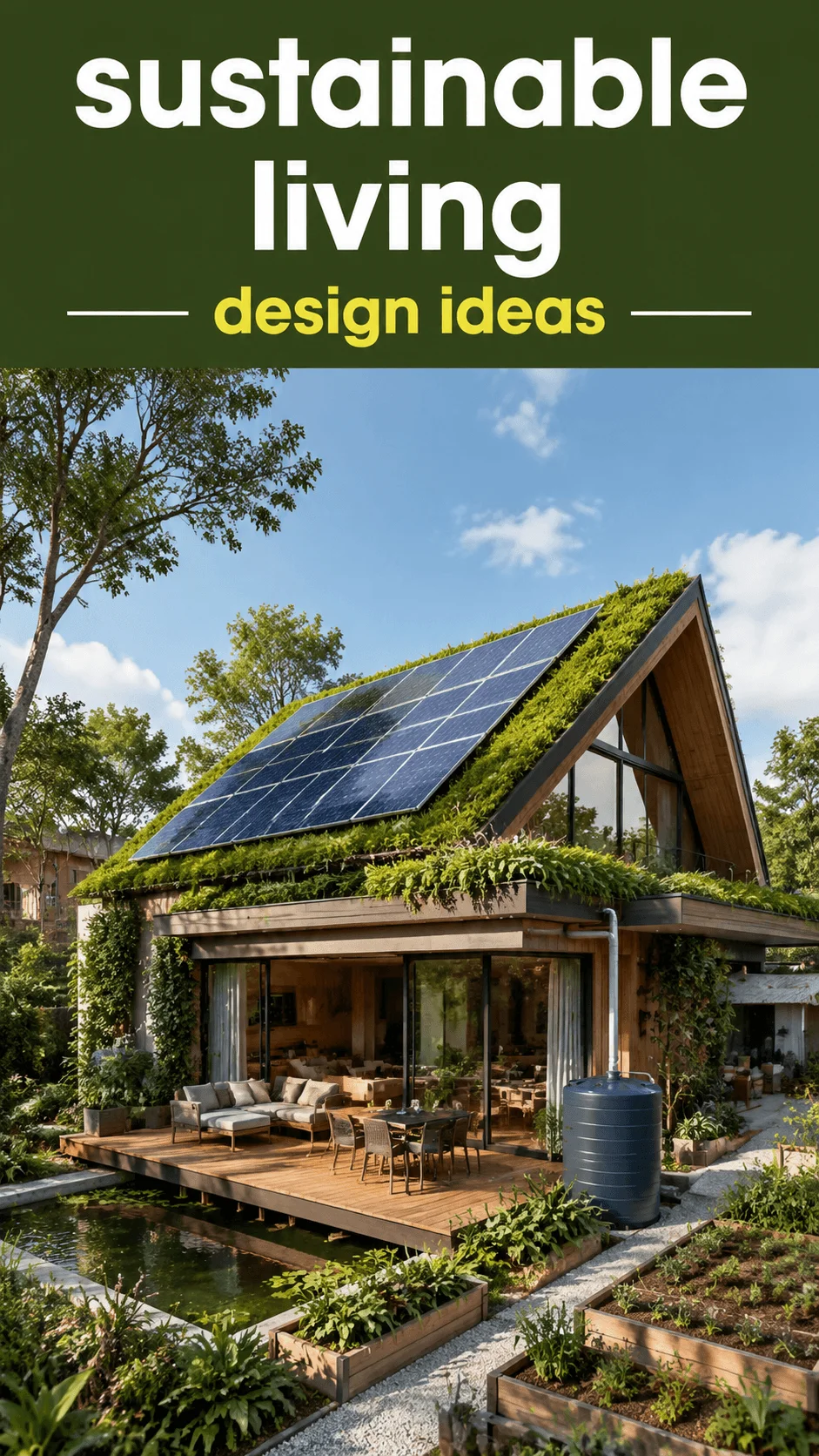
The latest sustainable living design ideas focus on creating spaces that work with nature rather than against it. These concepts combine traditional knowledge with modern innovation to develop homes that are more comfortable, efficient, and environmentally responsible. From regenerative landscapes and biophilic interiors to artificial intelligence and smart resource management, sustainable design is entering a new era.
Modern homeowners are also becoming more interested in self sufficient living, natural materials, and flexible housing solutions. People want homes that reduce their environmental footprint while providing better comfort and long term value. This shift has made future sustainable home design ideas one of the most important movements in architecture and lifestyle planning.
This article explores twelve innovative concepts that are shaping the future of sustainable homes. These approaches demonstrate how thoughtful design can create living spaces that benefit both people and the planet.
Moving Beyond Traditional Sustainability Through Regenerative Design
One of the most important developments in sustainable architecture is the movement toward regenerative living design ideas. Traditional sustainability focuses on reducing damage by using fewer resources and creating less pollution. Regenerative design takes a different approach. Instead of simply minimizing harm, it aims to actively improve the surrounding environment.
A regenerative home works as part of a natural ecosystem. The goal is to create a relationship where the building supports the land, plants, animals, and local climate. These homes are designed to restore biodiversity, improve soil quality, capture carbon, and encourage healthier natural cycles.
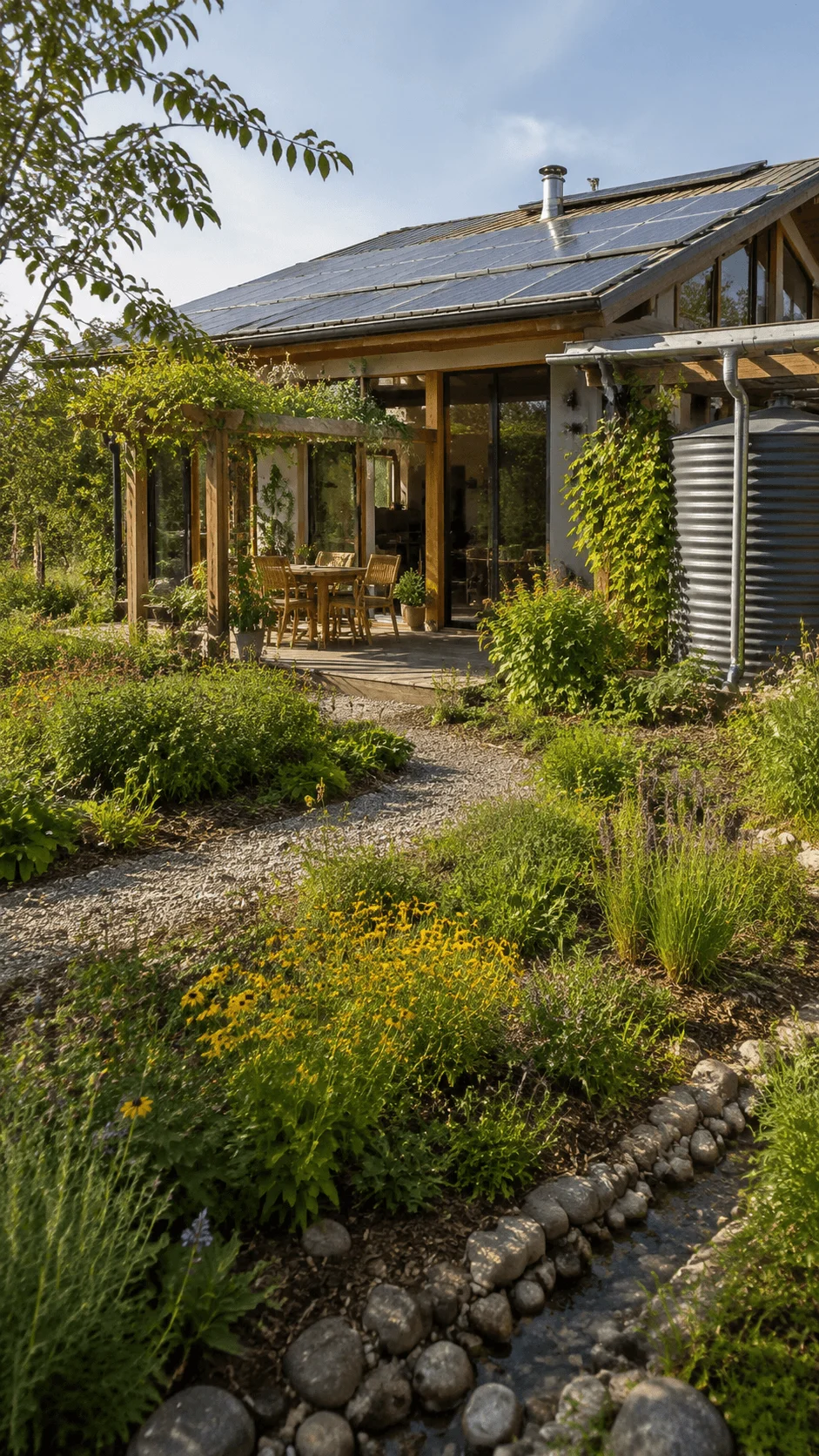
For example, a regenerative home may include native gardens that provide habitats for birds and insects. Instead of using decorative plants that require large amounts of water and maintenance, homeowners can select local species that naturally adapt to the environment. These landscapes support wildlife while reducing water consumption.
Another important element of regenerative homes is improving soil health. Traditional construction often damages land by removing vegetation and disturbing natural systems. Regenerative approaches focus on protecting existing landscapes and using methods such as composting, natural landscaping, and organic gardening to rebuild soil quality.
Creating Natural Connections Inside Modern Homes
Biophilic sustainable home design ideas are becoming increasingly popular because they address both environmental concerns and human wellbeing. Biophilic design is based on the idea that humans have a natural connection with nature. Modern lifestyles often separate people from natural environments, especially in crowded cities where concrete buildings dominate the landscape.
Biophilic homes bring natural elements back into daily life. These designs use plants, natural materials, sunlight, fresh air, and outdoor connections to create healthier living spaces.
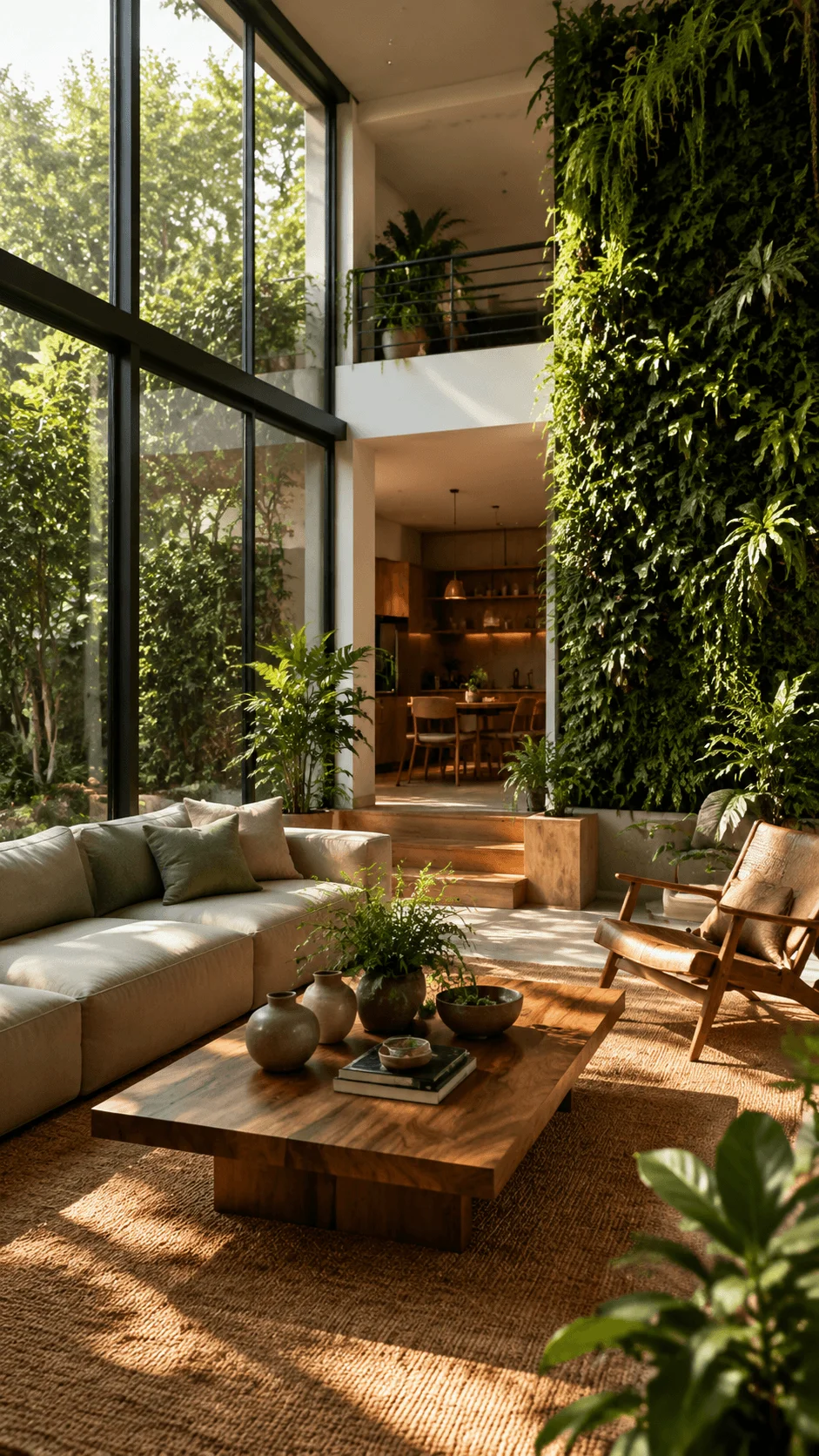
A home with large windows that allow natural light to enter can reduce dependence on artificial lighting while creating a stronger connection with the outside environment. Indoor plants can improve air quality and create a calming atmosphere. Natural materials such as wood, stone, and clay can add warmth and create a more comfortable indoor environment.
Living walls are another popular feature in modern sustainable homes. These vertical gardens allow homeowners to introduce greenery into smaller spaces where traditional gardens may not be possible. They can improve indoor aesthetics while supporting better air circulation.
Designing Homes According To Local Environmental Conditions
Climate responsive sustainable home design is changing the way architects approach residential construction. Instead of creating identical buildings for different regions, this approach focuses on designing homes that respond to local weather, geography, and environmental conditions.
A home built in a hot climate requires different solutions compared with a home located in a cold region. Climate responsive design considers factors such as sunlight direction, wind movement, rainfall patterns, and temperature changes before construction begins.
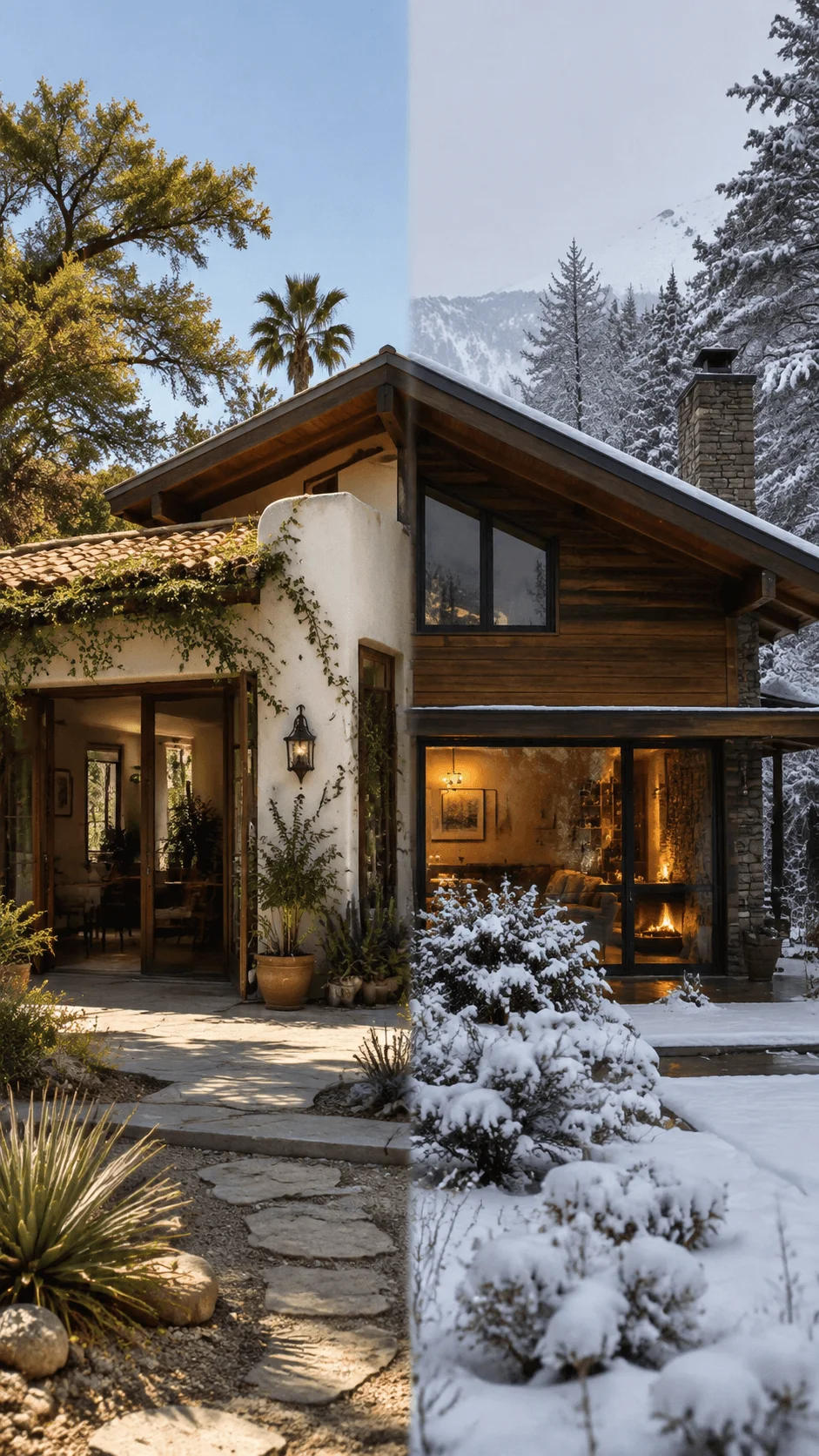
For example, homes in warmer climates can use shaded windows, courtyards, reflective surfaces, and natural ventilation to maintain comfortable indoor temperatures. Homes in colder regions may focus on insulation, solar orientation, and materials that retain heat.
Reducing Energy Use Through Natural Cooling Methods
Passive cooling home design ideas are becoming increasingly valuable as global temperatures continue to rise. Many homes depend heavily on air conditioning systems, which consume large amounts of energy and increase environmental pressure.
Passive cooling focuses on keeping homes comfortable through design rather than relying only on machines. These methods use natural processes such as airflow, shading, and thermal control to reduce indoor temperatures.
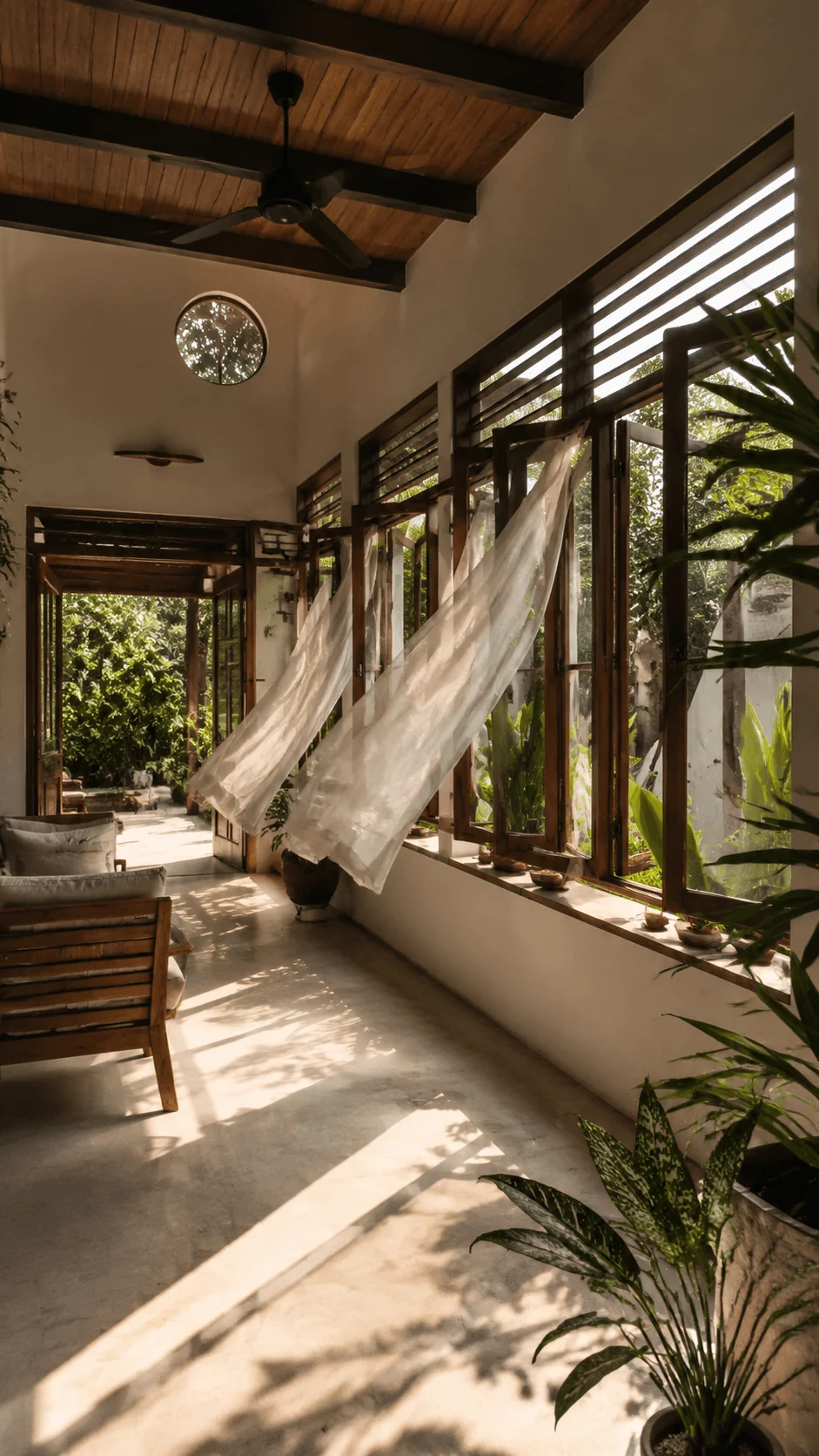
One effective strategy is cross ventilation. By placing windows and openings strategically, designers can encourage fresh air movement throughout the home. This reduces heat buildup and improves indoor comfort.
The Future Of AI Powered Sustainable Homes
Water management is another area where smart technology can create major improvements. Sensors can detect leaks, monitor water usage, and help homeowners reduce unnecessary consumption.
Future AI powered sustainable homes may include advanced systems that manage renewable energy production, battery storage, gardening systems, and household appliances.
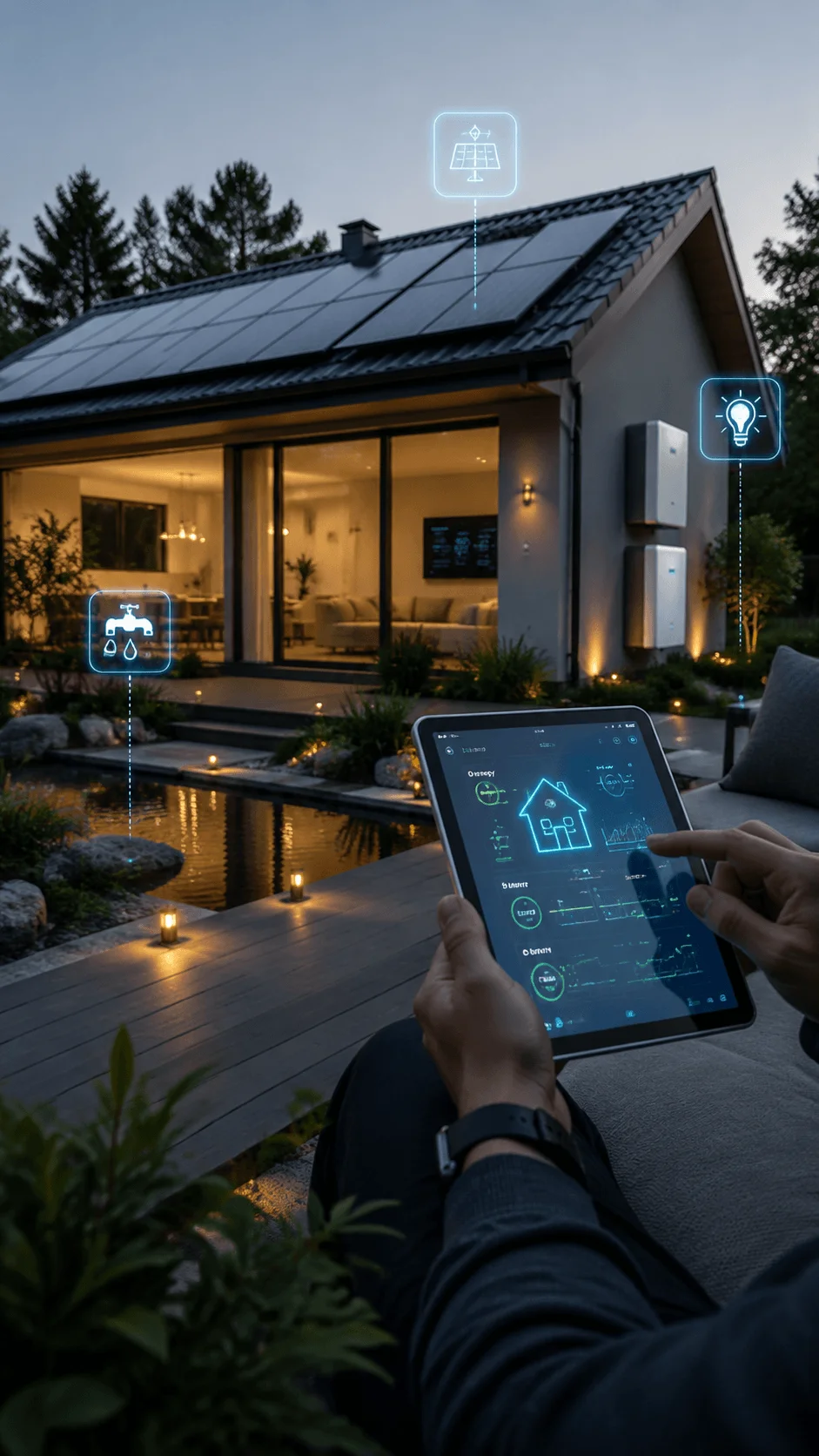
The purpose of technology in sustainable housing is not to replace natural design but to improve it. Smart systems can help homes operate more efficiently while supporting environmentally responsible lifestyles.
As technology continues to develop, AI will become an important part of future sustainable living design ideas, creating homes that understand user needs while protecting valuable resources.
Creating Homes Based On Reuse And Resource Efficiency
Circular living design ideas represent a major change in how people think about homes and resources. Traditional housing follows a linear model where materials are extracted, used, and eventually discarded. This approach creates large amounts of construction waste and increases pressure on natural resources.
Circular design follows a different approach. It focuses on keeping materials valuable for as long as possible through reuse, repair, recycling, and adaptation. Instead of designing homes that eventually become waste, circular homes are created with their entire lifecycle in mind.
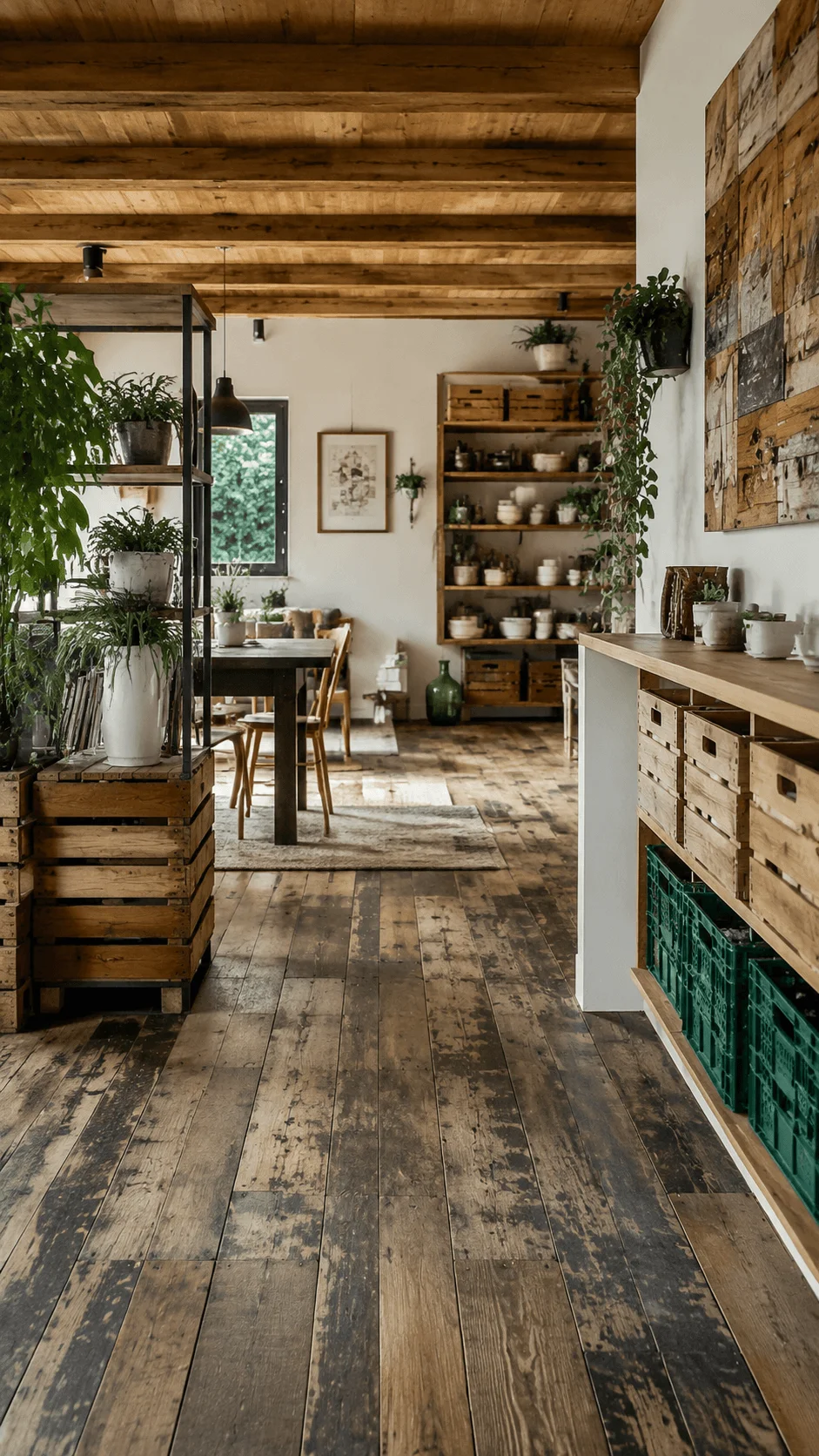
A circular home considers what happens to every material before it enters the building. Designers carefully select materials that can be repaired, reused, or recycled in the future. This reduces waste and creates homes that remain valuable for longer periods.
For example, flooring materials can be selected based on their ability to be restored instead of replaced. Furniture can use modular components that allow damaged parts to be repaired instead of throwing away the entire product. Walls, fixtures, and interior elements can also be designed for easy replacement and reuse.
Building Homes With Less Waste And Greater Adaptability
Modular sustainable home design ideas are becoming increasingly popular because they provide flexible, efficient, and environmentally responsible housing solutions. Modular homes are constructed using prefabricated sections that are produced in controlled environments and assembled at the final location.
This approach offers several sustainability advantages. Traditional construction often creates large amounts of material waste because cutting, storage, and weather conditions can affect building efficiency. Modular construction allows manufacturers to use materials more accurately, reducing unnecessary waste.
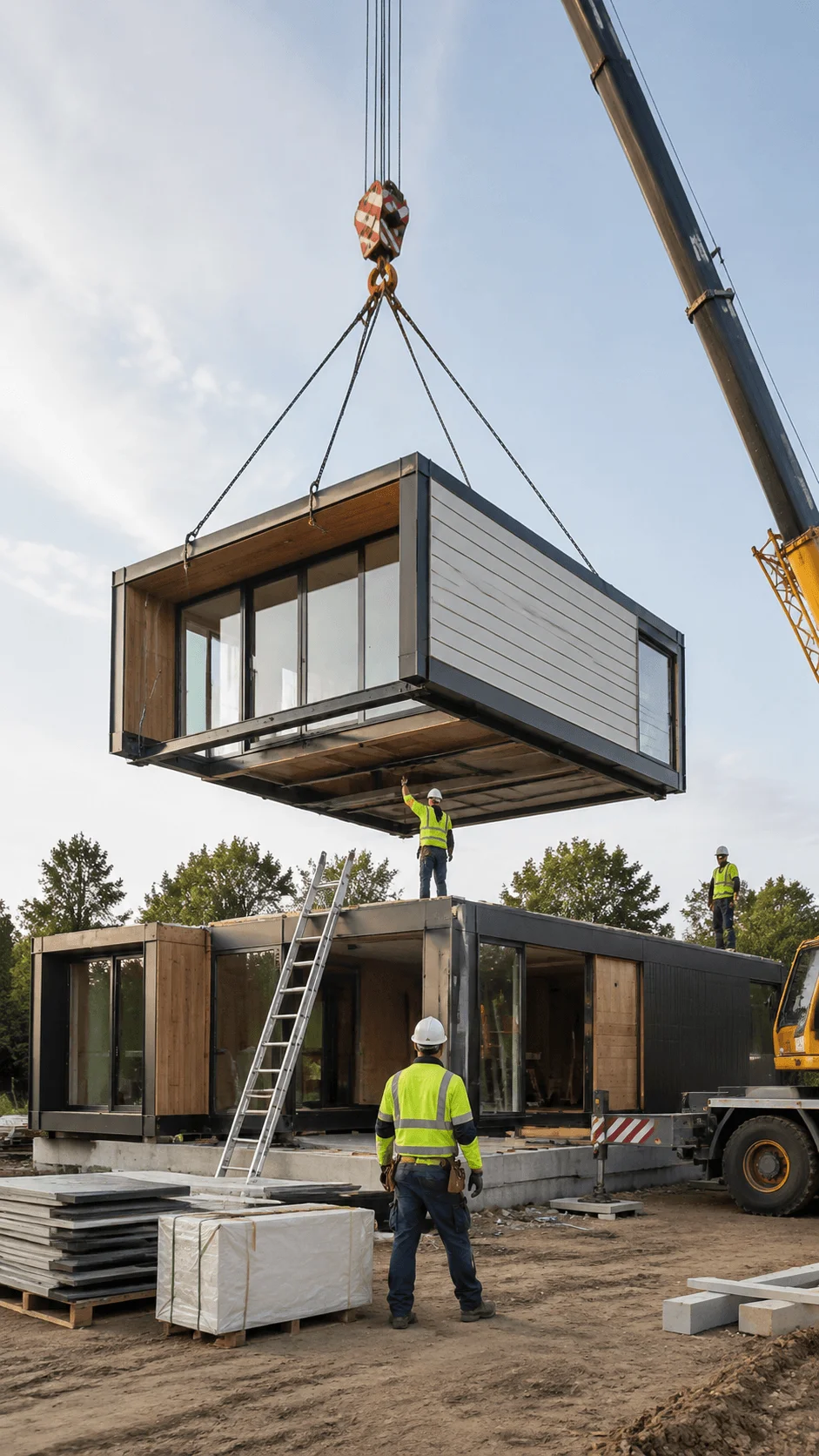
Modular homes also require less construction time compared with traditional buildings. Faster production means fewer resources are consumed during the building process.
Transforming Homes Into Productive Living Spaces
Food producing home designs are becoming an important part of modern self sustaining home design ideas. Instead of treating homes as separate from food production, future designs are combining living spaces with systems that allow people to grow their own food.
Urban expansion has reduced access to traditional farming areas, making home based food production increasingly valuable. Even small spaces can support food growth through creative approaches such as vertical gardens, rooftop gardens, and indoor planting systems.
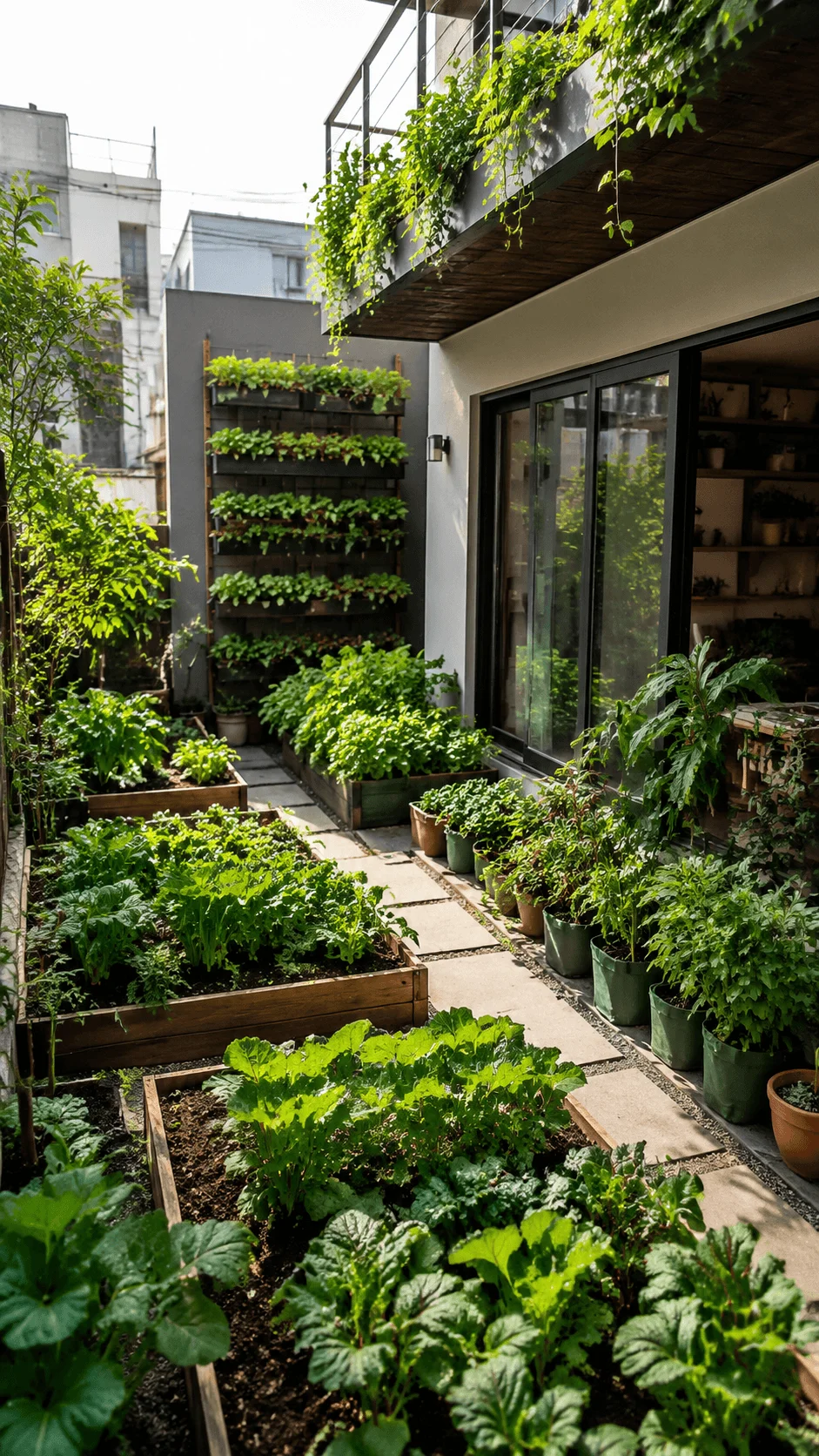
A sustainable home can include kitchen gardens where residents grow herbs, vegetables, and fruits. These gardens reduce dependence on transported food while creating healthier connections between people and nature.
Advanced Water Conservation Systems For Future Homes
Greywater recycling is another important approach. Greywater from sinks, showers, and washing machines can often be treated and reused for irrigation or other non drinking purposes.
Natural filtration systems such as rain gardens and planted areas can help clean water while supporting local ecosystems. These systems reduce pressure on traditional water treatment facilities.
Smart water monitoring technology can also improve efficiency. Sensors can identify leaks, track consumption patterns, and help homeowners make better decisions.
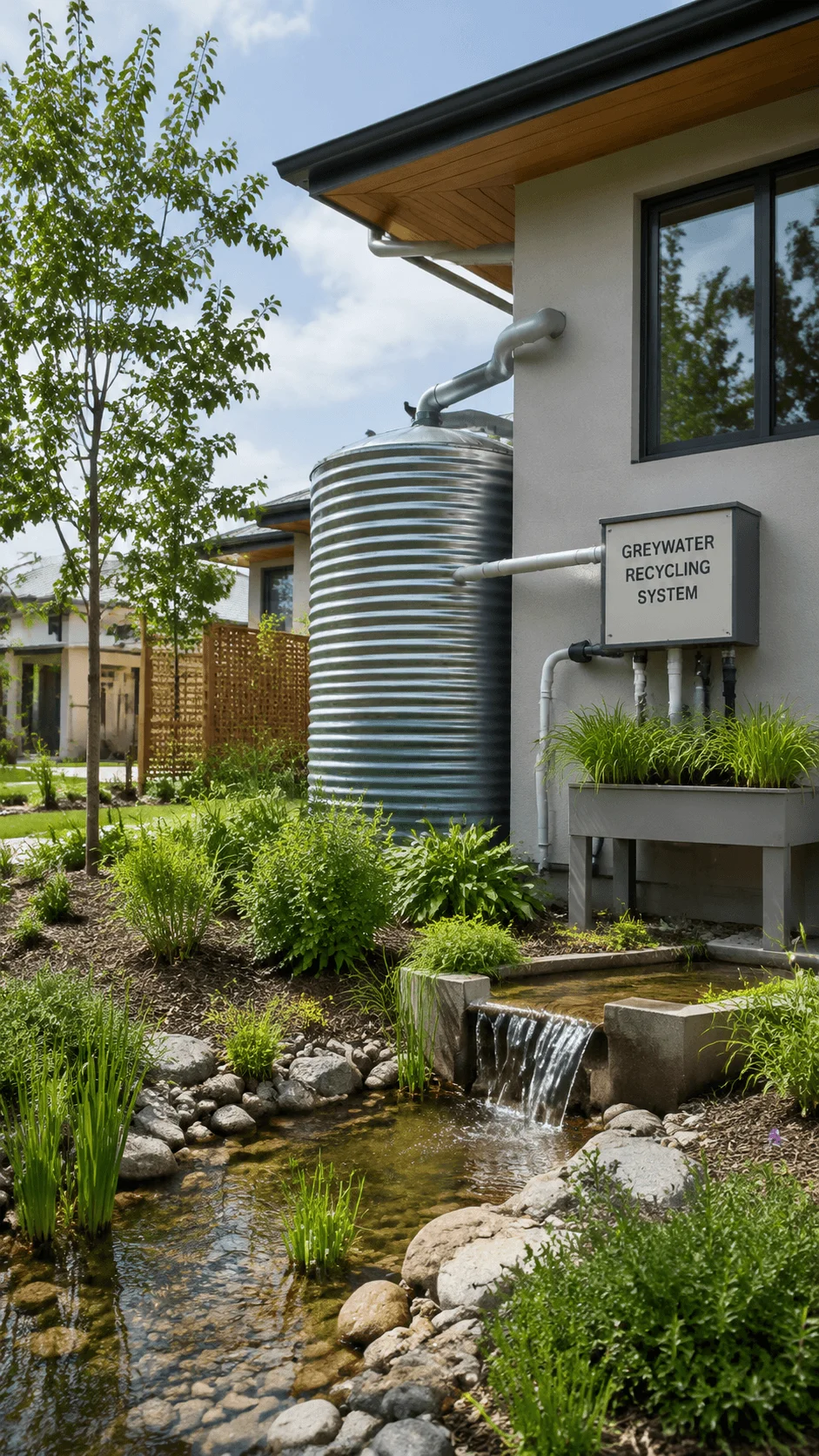
Water positive homes demonstrate that sustainability is not only about reducing consumption. It is also about creating systems that restore balance between human needs and natural resources.
As water becomes one of the most valuable resources in the future, responsible water management will become a central part of sustainable living design ideas.
Creating Homes With Natural And Renewable Resources
Bio based sustainable home materials are changing the future of construction by providing alternatives to traditional building resources. Many conventional materials require large amounts of energy to produce and can contribute to environmental problems.
Bio based materials come from renewable sources and often have lower environmental impacts. These materials connect modern construction with natural processes.
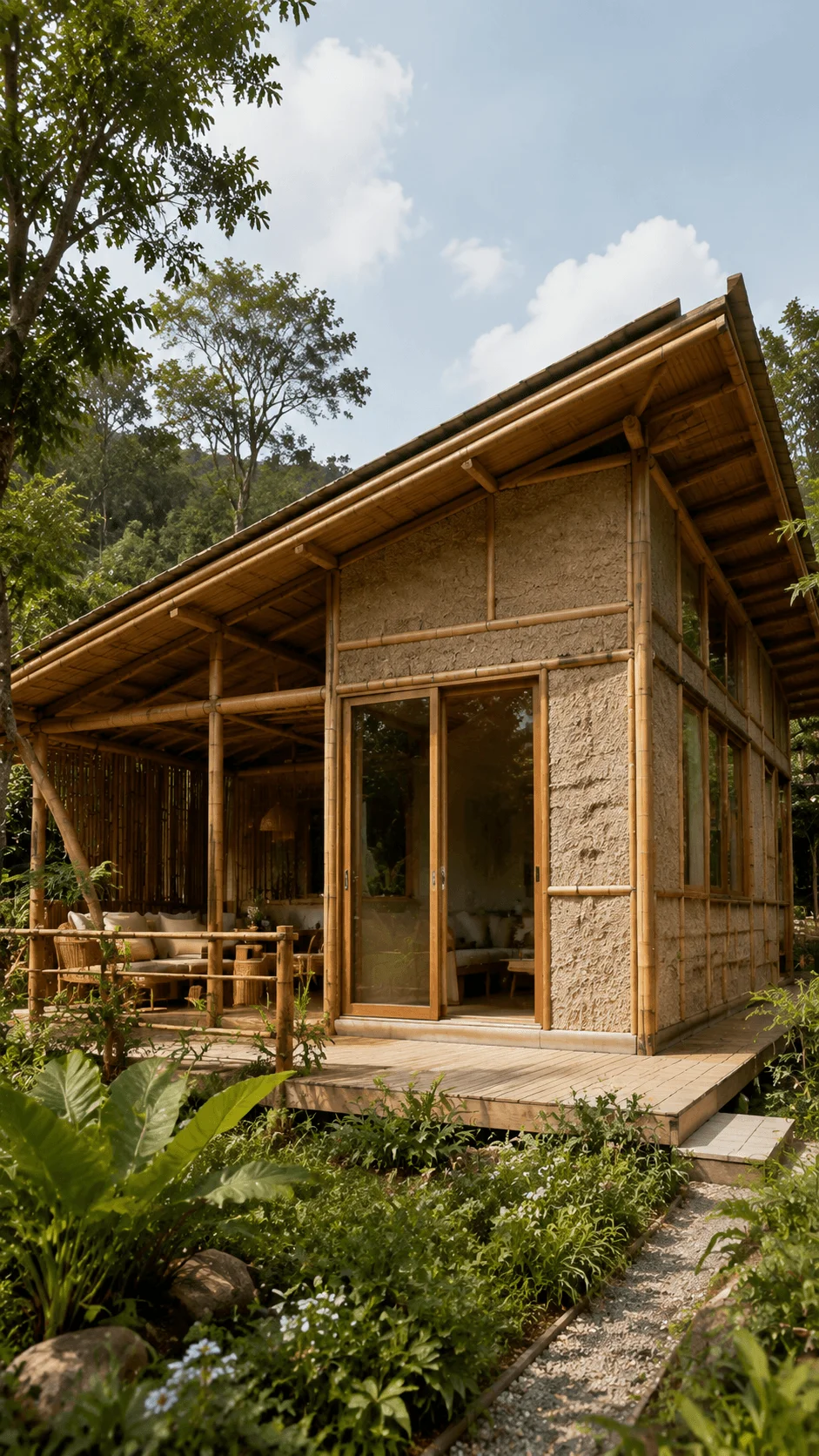
Bamboo is one example of a renewable material that has gained popularity because of its rapid growth and strength. It can be used for flooring, furniture, and structural applications.
Hemp based materials are also gaining attention. Hempcrete, made from hemp fibres and natural binders, provides insulation while reducing dependence on conventional materials.
Creating Efficient Homes Through Simple Living
Sustainable tiny house design ideas have gained popularity because they offer a practical approach to reducing environmental impact. Tiny homes focus on using less space, fewer materials, and fewer resources while maintaining comfort.
A smaller home requires less energy for heating, cooling, and lighting. It also reduces the amount of material needed during construction.
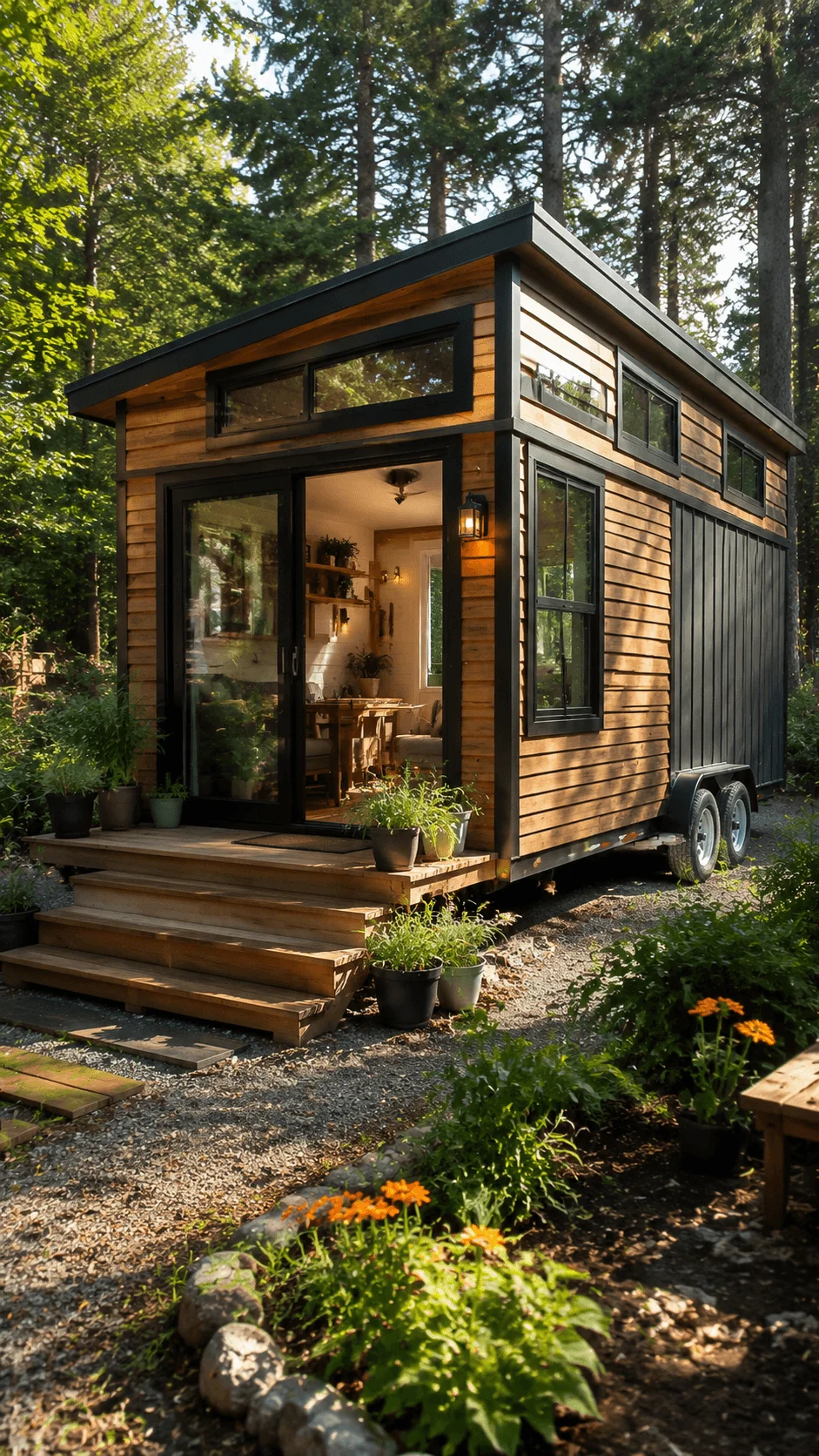
However, sustainable tiny homes are not only about size. They focus on intelligent design. Every area must serve a purpose, which encourages creative solutions.
Creating The Next Generation Of Intelligent Eco Friendly Homes
The future of sustainable housing will combine all the ideas discussed above into integrated living systems. Future sustainable homes will not depend on a single solution. Instead, they will connect renewable energy, artificial intelligence, natural design, resource management, and ecological restoration.
These homes will produce energy through renewable sources, manage resources through smart systems, and support nature through regenerative landscapes.
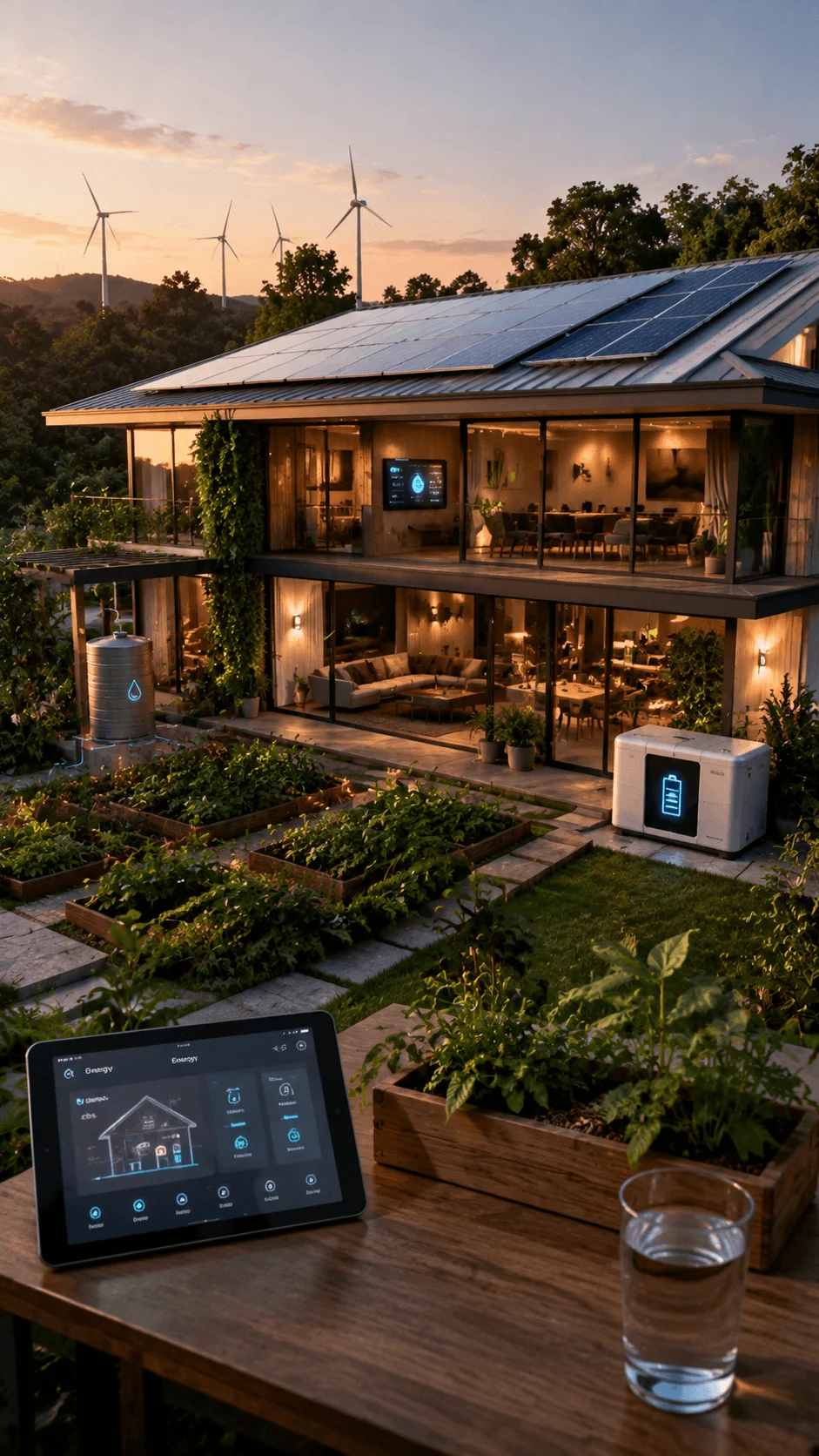
Technology will play an important role in improving efficiency. AI systems will help homeowners understand energy consumption, manage water use, and maintain comfortable indoor conditions.
At the same time, natural design principles will remain essential. Homes will include gardens, natural materials, biodiversity features, and climate responsive structures.
Conclusion:
Sustainable living design ideas are reshaping the future of housing by introducing new ways to think about comfort, technology, and environmental responsibility. Modern sustainable homes are no longer limited to energy saving features. They represent a complete approach where buildings work together with nature, conserve valuable resources, and improve human wellbeing.
The future of housing will focus on creating spaces that restore ecosystems through regenerative design, connect people with nature through biophilic architecture, and use intelligent systems to manage energy and resources efficiently. Concepts such as circular living, modular construction, food producing homes, and water positive systems show that sustainability can become a practical part of everyday life.
As technology continues to advance, homes will become smarter and more adaptable. Artificial intelligence, renewable energy, and innovative materials will help create buildings that respond to environmental challenges while providing greater comfort.
The most important lesson from these future design trends is that sustainability is not only about reducing environmental damage. It is about creating healthier relationships between people, homes, and the natural world.
By adopting these innovative approaches, future generations can enjoy living spaces that are efficient, beautiful, resilient, and environmentally responsible. Sustainable homes will not simply protect the planet. They will help create a better future where people and nature can thrive together.