Eco Friendly Garden Ideas for Small Spaces
Small outdoor areas can become beautiful, productive and environmentally responsible with the right approach. These eco friendly garden ideas for small spaces show how balconies, patios, tiny yards and compact corners can support plants, wildlife and everyday enjoyment without requiring a large footprint. From vertical pollinator gardens to miniature ponds and upcycled planters, thoughtful design can help you use limited space more efficiently while reducing waste and conserving resources.
A sustainable small garden does not need to look wild or complicated. You can create a polished outdoor space while choosing plants carefully, reusing materials, reducing unnecessary watering and making room for beneficial insects and birds. The key is to make every part of the available space serve a purpose.
In 2026, small garden design is moving toward more intentional planting, biodiversity, water conservation and climate resilient choices. These trends make sustainable gardening particularly interesting for people who have only a balcony, patio, terrace or small backyard.
1. Create a Botanical Bento Box Garden
One of the most creative ways to organize a compact garden is to think of it like a botanical bento box. Instead of treating the entire space as one planting area, divide it into several small zones, with each section serving a different purpose.
For example, one corner could hold herbs and vegetables, another could contain flowering plants for pollinators, while a third could provide a comfortable place to sit. You could even reserve a tiny section for a water feature or wildlife friendly planting.
This approach works particularly well because small gardens can quickly become crowded. When every available area contains random pots and plants, the garden may feel smaller than it actually is. Purposeful zoning creates visual order and makes the space easier to manage.
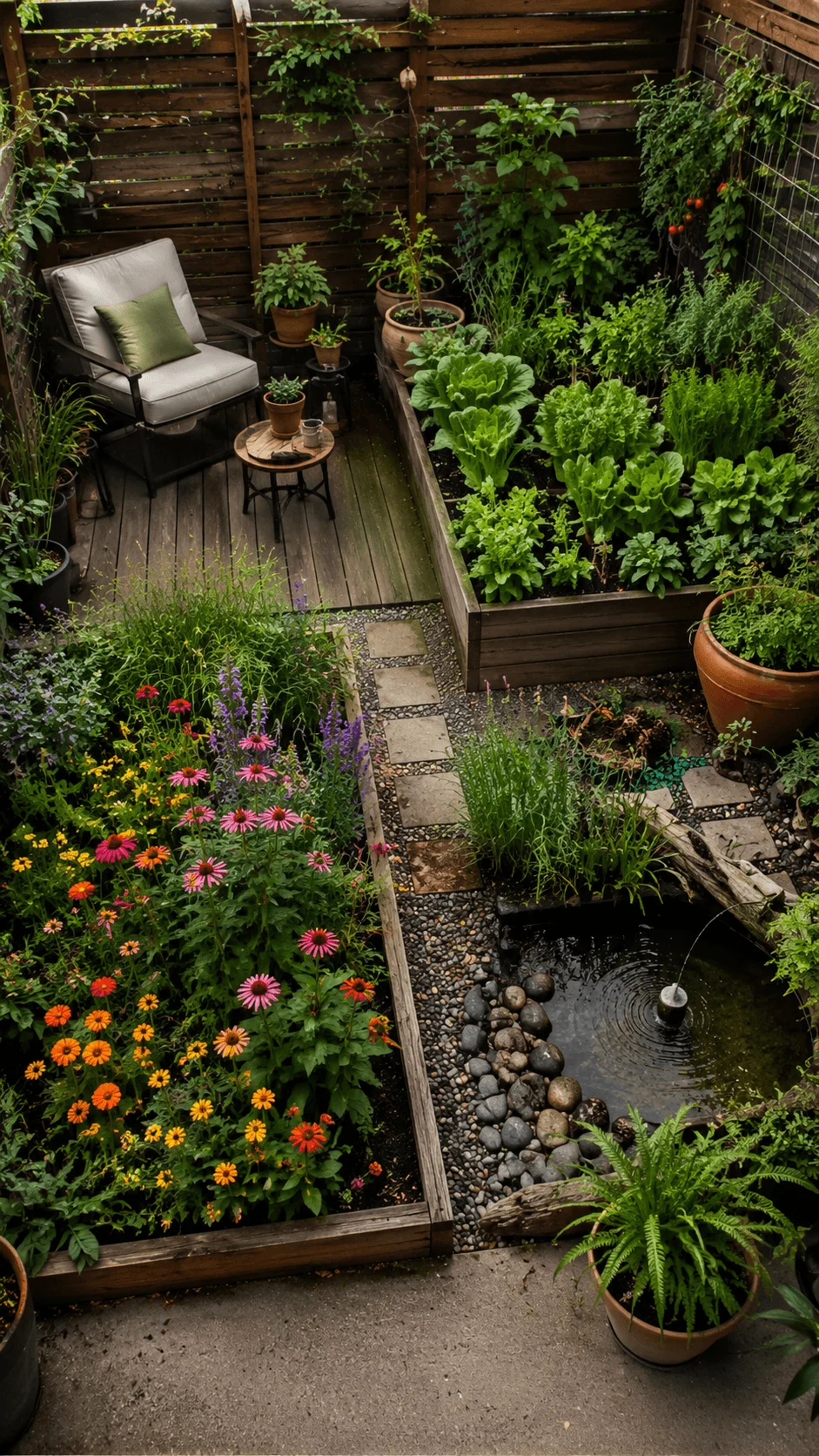
You can create these zones with containers, narrow planting beds, wooden edging or changes in plant height. You do not need permanent construction. Several large containers grouped together can create the appearance of a dedicated planting area.
Choose materials that complement one another so the different sections still feel connected. Natural wood, terracotta containers, stone and reclaimed materials can create a warm appearance while keeping the design focused on sustainability.
The botanical bento box approach also allows you to experiment. If you have limited sunlight in one section, use shade tolerant plants there and reserve the sunnier section for herbs or vegetables. This makes the garden more productive without forcing every plant into unsuitable conditions.
2. Add a Mini Wildlife Pond
A miniature pond can transform an ordinary compact garden into a much more interesting outdoor environment. You do not need enough space for a traditional pond. A suitable watertight container can provide the foundation for a small water feature.
Mini ponds have become an increasingly interesting trend because they combine decoration, biodiversity and small space gardening. A container pond can fit into a patio, courtyard or small backyard while creating a focal point that attracts attention.
Choose a stable container that does not have holes and place it somewhere where it receives an appropriate amount of sunlight. Avoid putting it directly beneath trees if falling leaves will constantly fill the water.
You can add suitable aquatic plants to make the pond look more natural. Small stones can also create useful areas around the edge. A gentle access point is important because wildlife needs a way to reach the water safely.
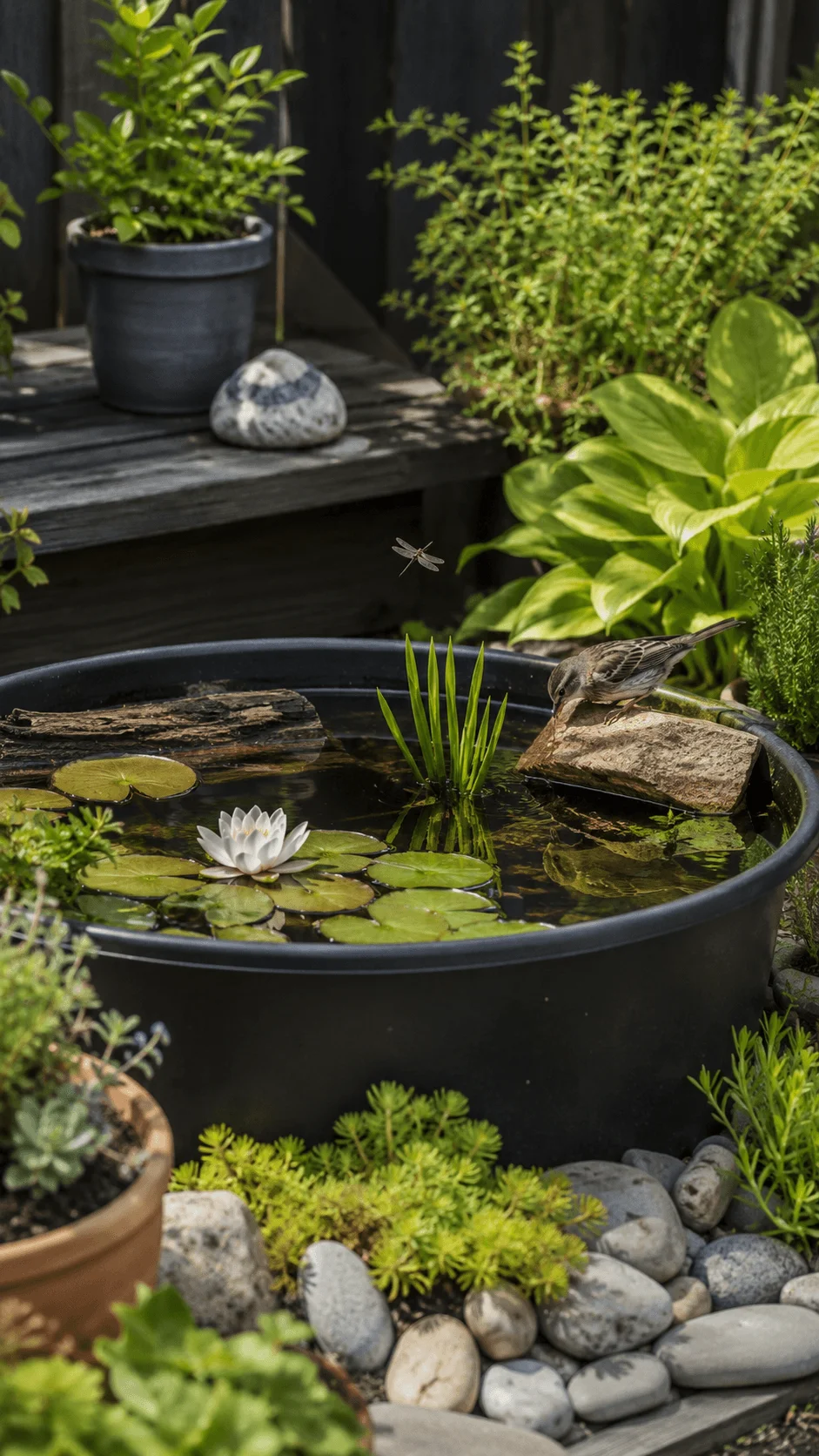
A mini pond can provide drinking opportunities for birds and insects while creating a small habitat within an otherwise heavily paved environment. It can also make your garden feel cooler and more natural.
Keep the feature simple. You do not need elaborate pumps, artificial decorations or excessive equipment. A thoughtfully positioned container with suitable plants and clean water can create a beautiful result.
Regular maintenance matters. Remove excessive debris and keep the water fresh according to the needs of the feature. Avoid adding anything that could harm wildlife.
For people researching micro pond ideas for small gardens, this approach offers an excellent way to introduce a water element without sacrificing valuable floor space.
3. Build a Vertical Pollinator Garden
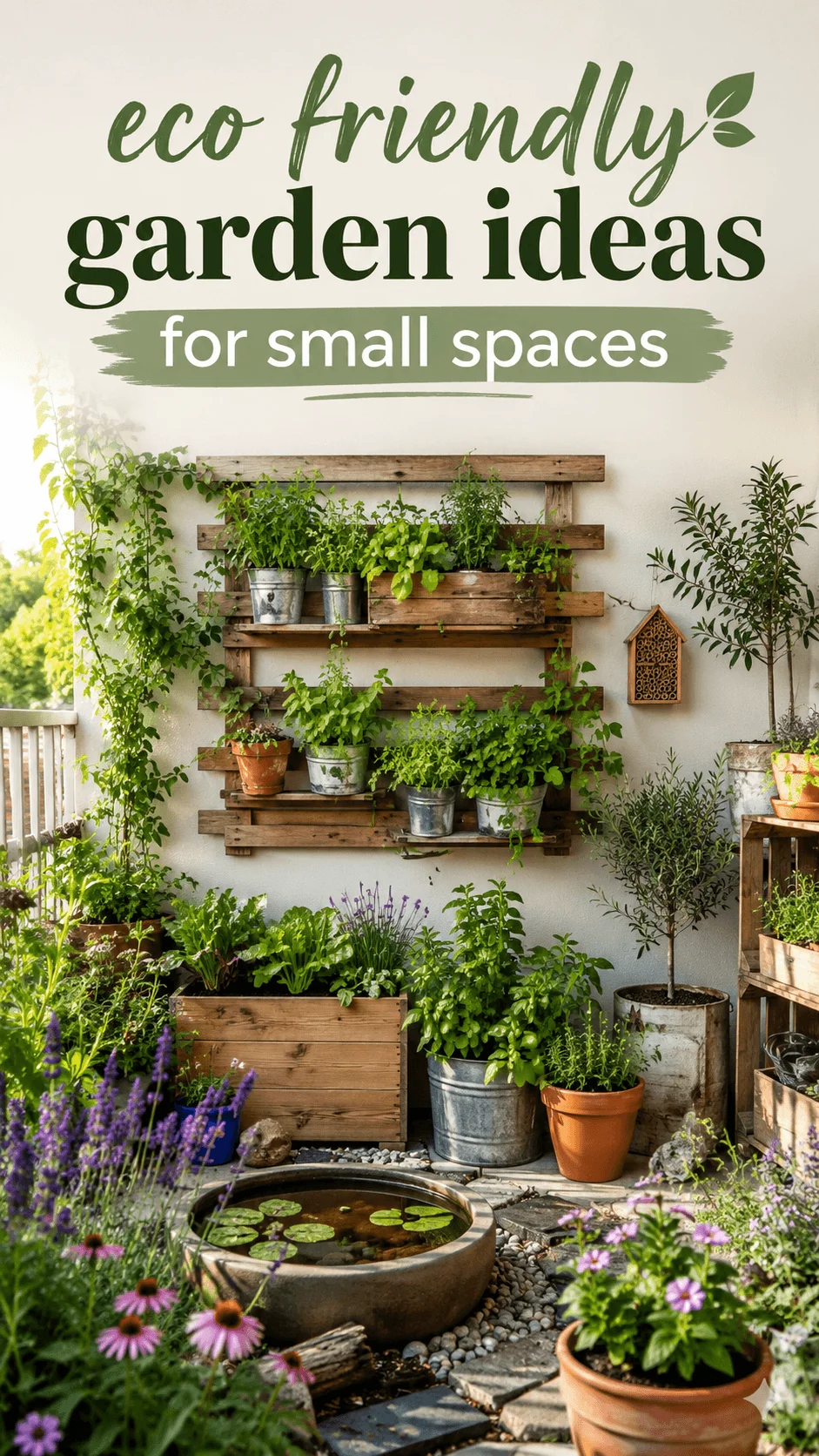
When floor space is limited, look upward. Walls, fences and trellises can provide valuable growing areas that many small gardens leave unused.
A vertical pollinator garden combines this space saving technique with flowering plants that can provide nectar and pollen for bees, butterflies and other beneficial insects.
You can attach suitable planters to a wall, use a freestanding trellis or grow climbing plants beside a fence. The best approach depends on your available sunlight and the strength of the structure.
Think about height when selecting plants. A combination of plants at different levels can make the wall feel fuller without taking up additional floor area. Trailing plants can soften the lower sections while taller flowering plants create structure.
Choose plants that suit your local climate and growing conditions. Native plants can be particularly useful when they suit the local environment and provide resources for local wildlife.
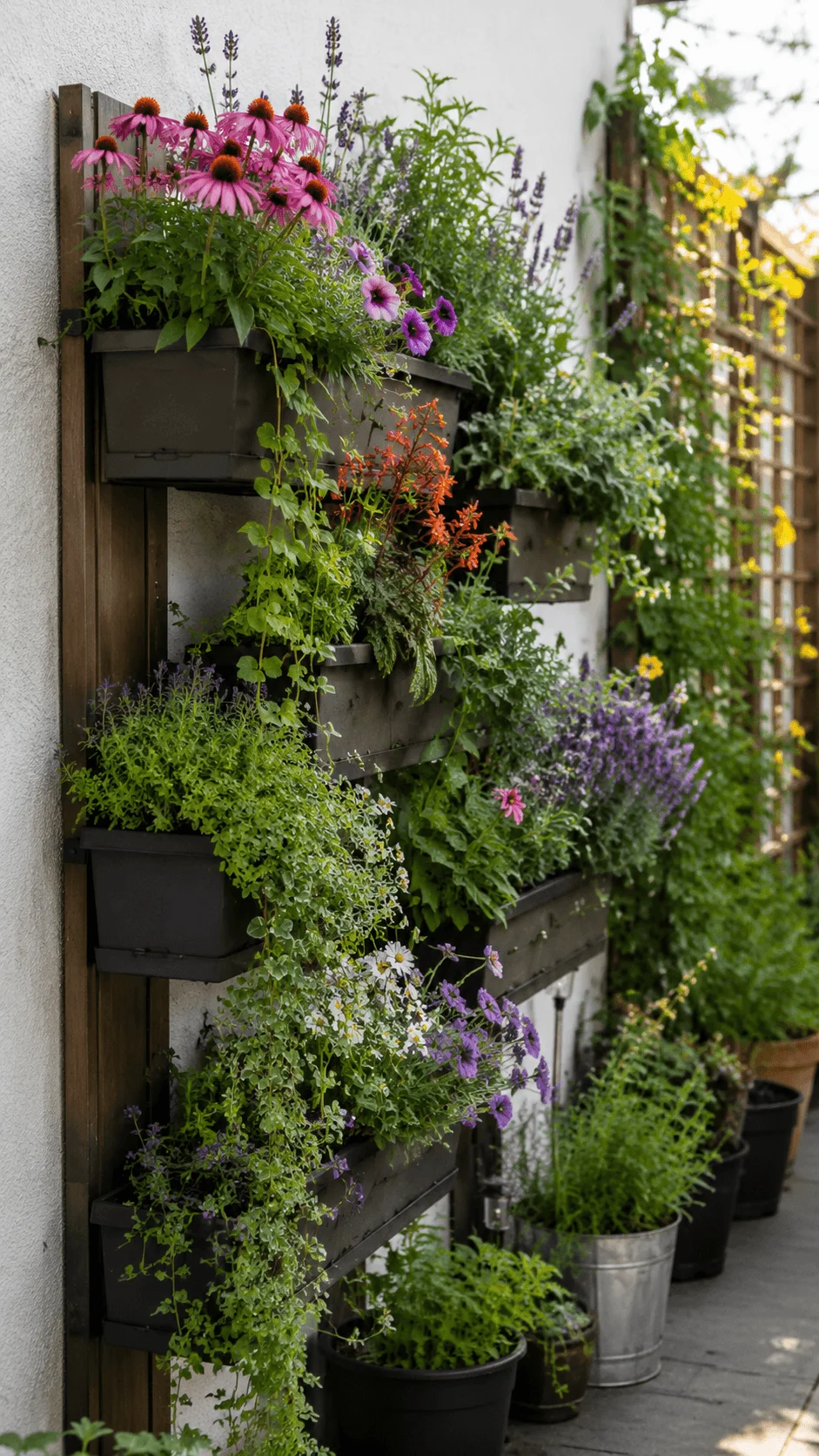
A vertical pollinator garden also creates an attractive living backdrop. Instead of looking at a blank wall or plain fence, you can turn that surface into a changing display of foliage and flowers.
Watering requires some planning because vertical containers can dry out faster than plants growing in the ground. Check moisture regularly, especially during hot weather. Adding suitable organic material to the growing medium can also help retain moisture.
Avoid overcrowding the structure. Give plants enough room for healthy growth and air circulation. A smaller number of well positioned plants will often create a better result than filling every available opening.
This makes vertical pollinator garden ideas particularly valuable for balconies, narrow courtyards and compact patios where every square foot matters.
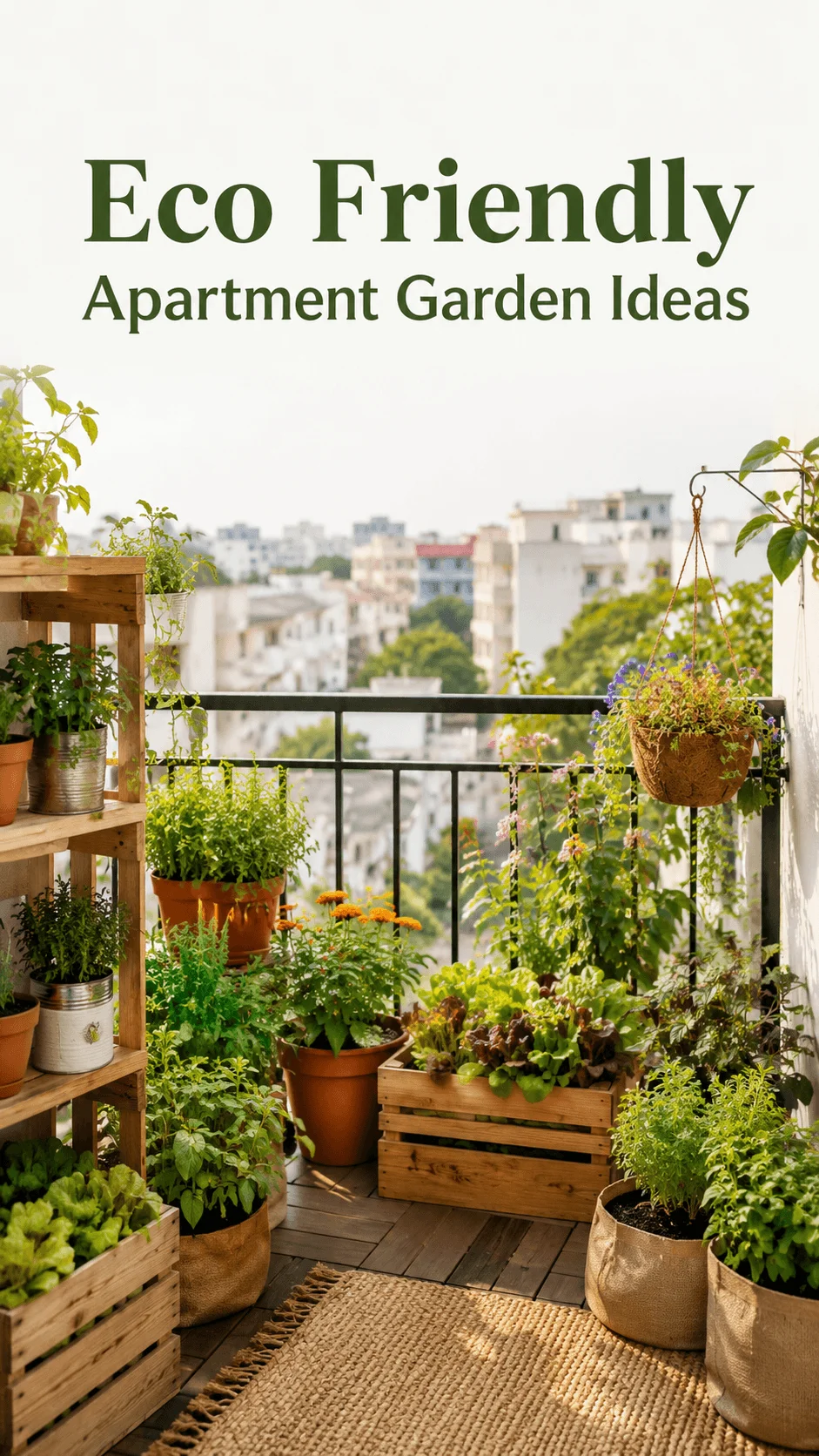
4. Make an Upcycled Herb Wall
An herb wall can combine food growing, vertical gardening and material reuse in one compact project.
Instead of buying a completely new collection of planters, look around your home for suitable containers or materials that you can safely repurpose. Old wooden boxes, sturdy containers and reclaimed materials can sometimes become useful growing spaces.
The goal is not simply to place plants into random objects. Think about the finished design before starting. Arrange the containers at different heights or create a consistent pattern that makes the wall look intentional.
Herbs work especially well because many varieties remain relatively compact. Depending on your climate and growing conditions, you could grow herbs such as basil, mint, parsley, chives or thyme.
Place sun loving herbs where they can receive enough light. Plants with different water requirements should not share a container unless their needs are compatible.
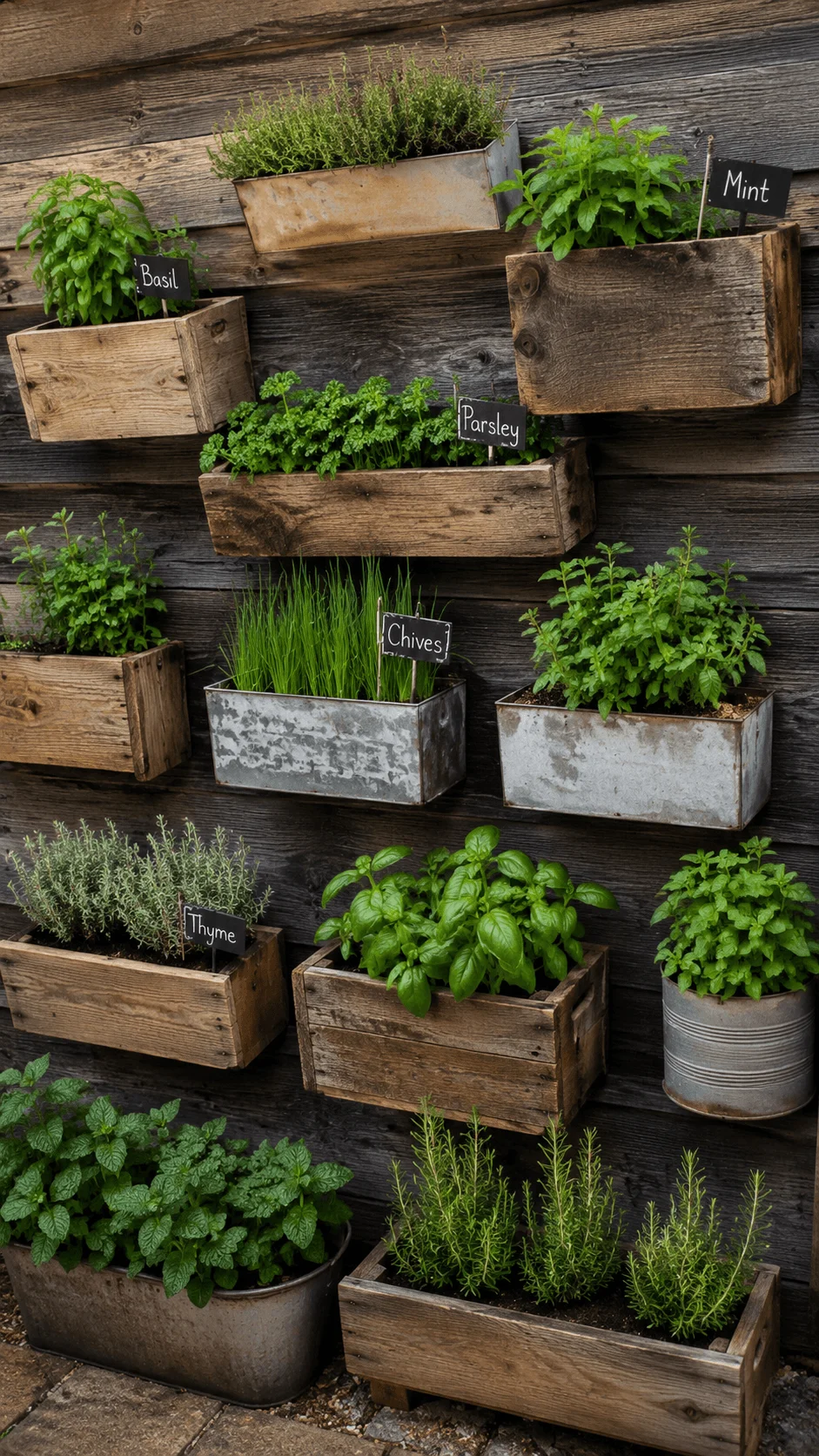
Drainage is particularly important for an upcycled planter. Excess water needs somewhere to escape, otherwise the roots can remain too wet. Make sure the containers are appropriate for growing plants and have suitable drainage.
An upcycled herb wall can also make gardening more accessible. Instead of bending down to reach every plant, you can position frequently used herbs at a convenient height.
These upcycled garden ideas for small spaces also reduce the need to purchase decorative planters simply for appearance. With careful design, reused materials can become one of the most distinctive features in the garden.
5. Grow a Climate Resilient Container Garden
A sustainable garden should consider not only how much space you have but also the conditions your plants need to survive.
Climate resilient gardening means choosing plants and gardening methods that suit your local environment. In a compact container garden, this can make a major difference because containers can heat up and dry out more quickly than garden soil.
Start by observing your space. How many hours of sunlight does it receive? Which areas become hottest during the day? Which parts remain shaded? These observations can help you choose plants more successfully.
If your area experiences hot weather or periods of limited rainfall, consider plants that can tolerate those conditions. Rather than choosing a plant simply because it looks attractive, consider whether it can thrive in your environment.
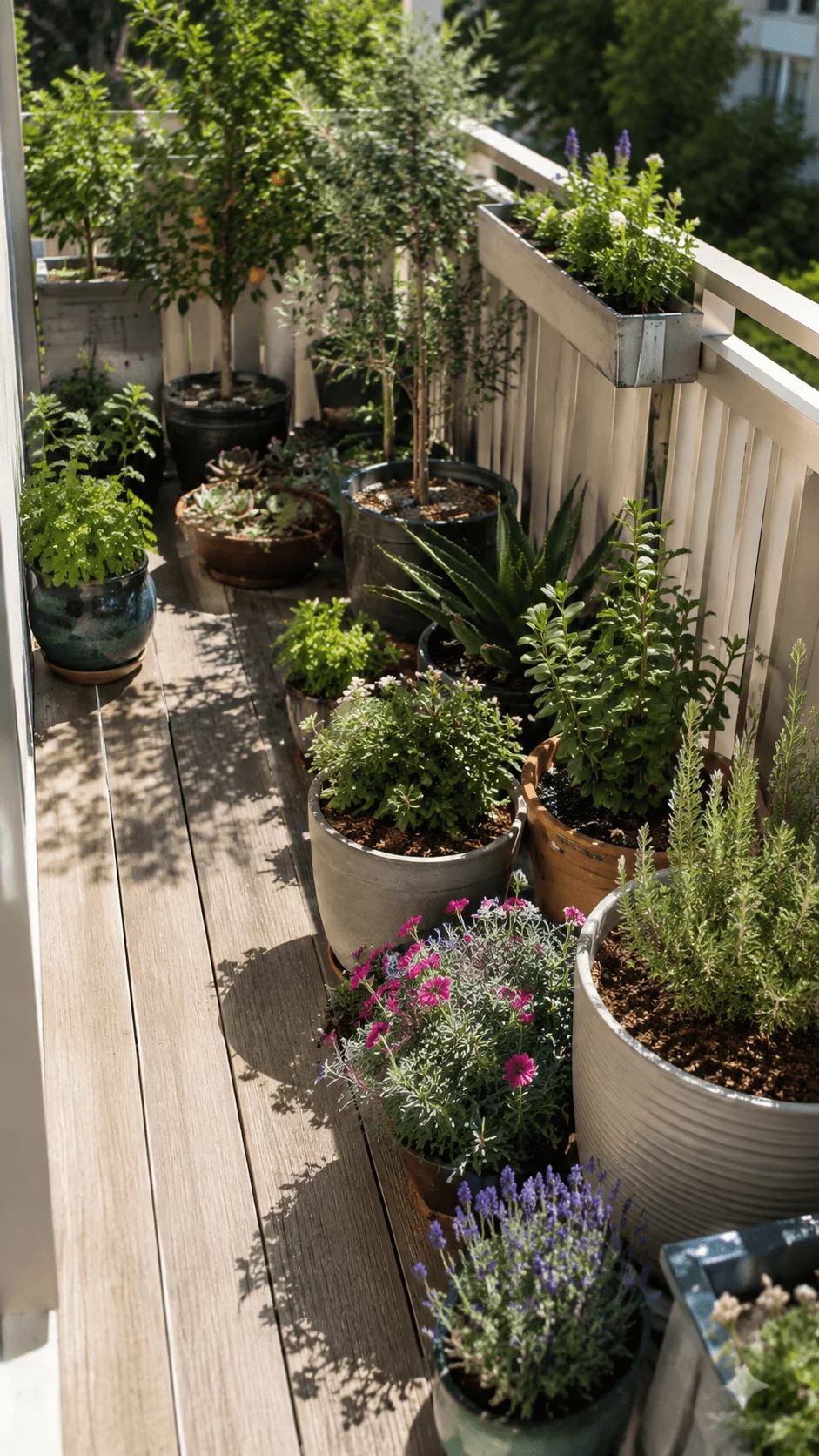
Grouping plants with similar water requirements can also improve efficiency. Plants that need frequent watering should not share a container with varieties that prefer drier conditions.
Container size matters as well. Very small containers can dry out quickly, which means plants may require more frequent attention. Larger containers can provide more room for roots and growing medium.
Adding mulch to the surface can help reduce moisture loss. Positioning containers strategically can also protect sensitive plants from excessive afternoon heat.
These drought tolerant small garden ideas are especially useful when gardeners want attractive planting without creating a garden that demands constant watering.
6. Plant a Mini Native Plant Garden
A small garden can still contribute to the surrounding ecosystem when you choose plants thoughtfully.
Native plants that naturally suit your local region can be valuable additions because they have developed alongside local environmental conditions and wildlife. However, native does not automatically mean suitable for every garden. You still need to consider sunlight, soil, moisture and available space.
Rather than trying to collect many different species, choose a small selection that works well together. A few carefully positioned native plants can create a stronger visual effect than dozens of unrelated varieties.
Use different heights to add structure. A taller plant can form a backdrop, medium plants can fill the central area and low growing varieties can cover the edges.
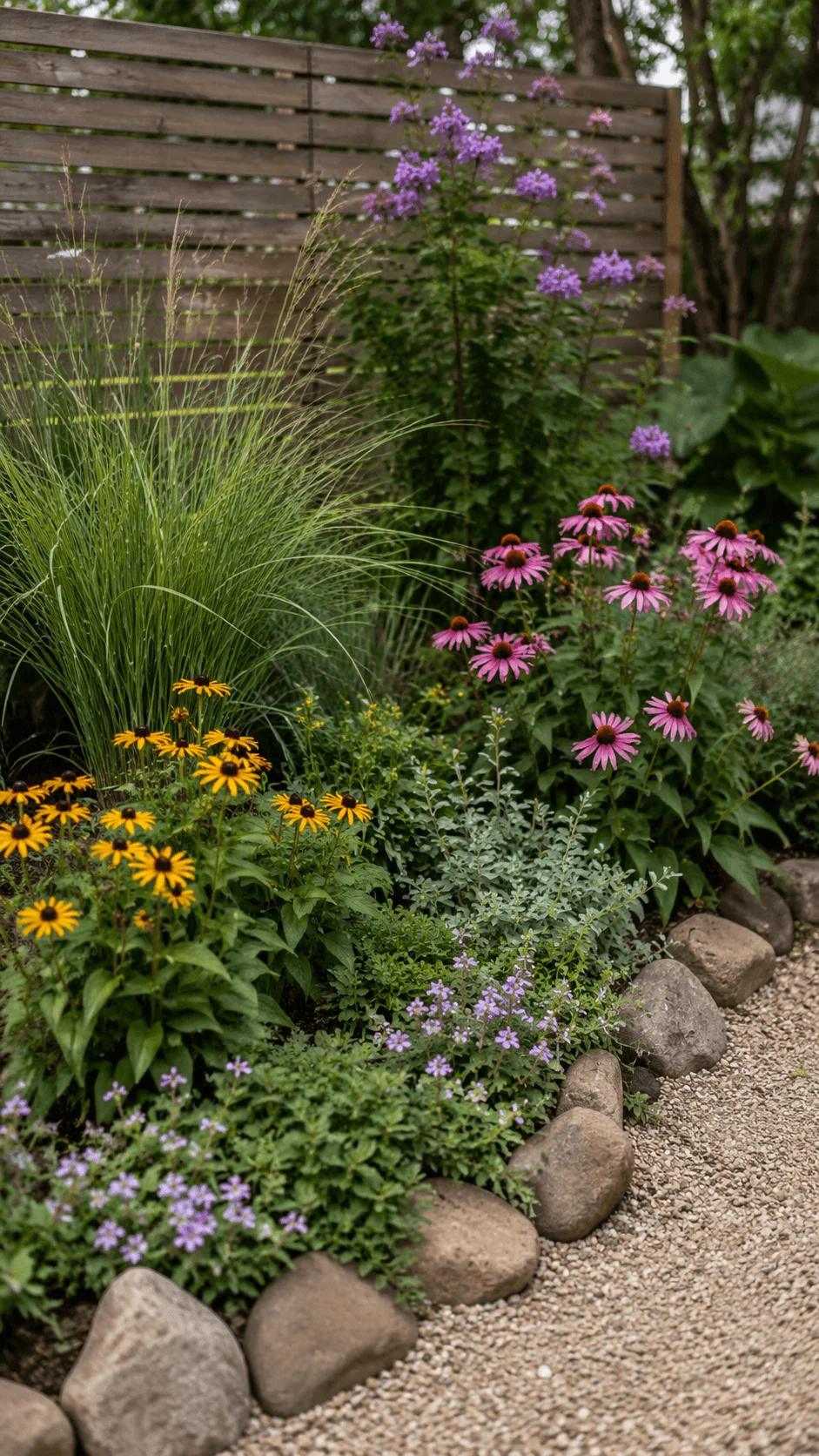
Native flowering plants can also make your garden more useful to local pollinators. When you select species that bloom at different times, you can create a more varied food source across the growing season.
You can grow native plants in containers if your space does not have a traditional garden bed. This makes the idea suitable for patios, balconies and small courtyards.
Avoid assuming that a native garden must look untidy. You can create a clean and attractive design by repeating plant shapes, grouping similar species and using simple natural materials around the planting area.
A small native plant garden can therefore combine aesthetics with ecological value while requiring very little space.
7. Create a Wildlife Hydration Station
Water does not always need to take the form of a pond. A small wildlife hydration station can provide another way to introduce water into a compact garden.
A shallow container placed in an appropriate location can provide drinking opportunities for birds and insects. Stones or other suitable natural elements can create places where small creatures can safely approach the water.
Keep the water shallow and check it regularly. Cleanliness matters because standing water can collect debris over time. Refreshing the water helps keep the feature in better condition.
You can position the hydration station among plants so it feels like part of the garden rather than an isolated object. Placing it where you can easily see and maintain it also makes regular care much simpler.
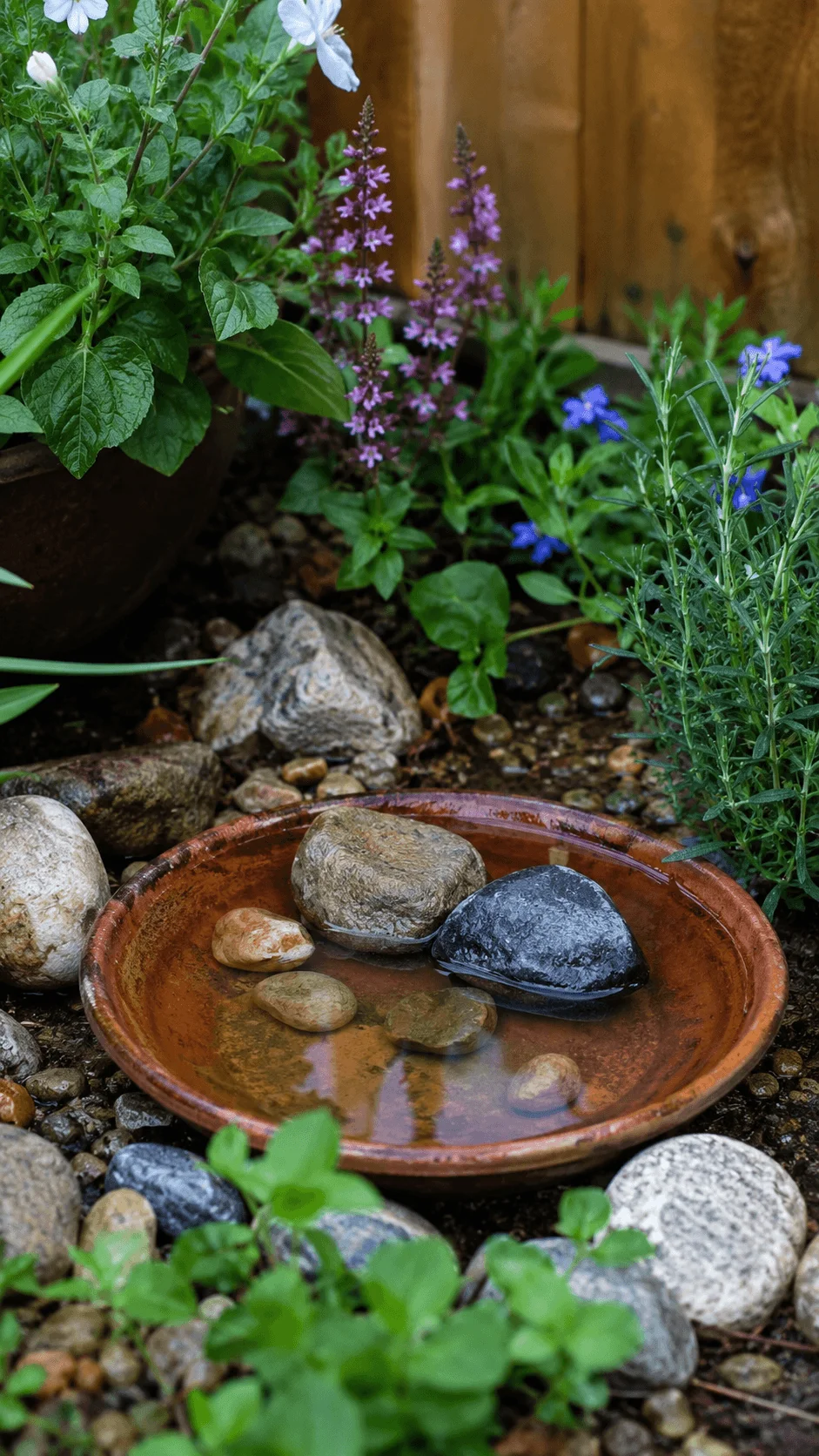
Consider adding nearby flowering plants or native vegetation to create a more useful wildlife area. The combination of food, shelter and water can make a small garden more welcoming to wildlife.
This idea works particularly well in urban areas where larger natural habitats may be limited. Even a tiny garden can provide a small but useful resource when several thoughtful features work together.
8. Add a Small Patio Planting Island
A patio does not need to remain completely covered with paving or concrete. If you have enough room, consider creating a small planting island that introduces greenery directly into the hardscaped area.
A planting island can consist of a compact raised bed, a large natural planter or a small section surrounded by stone or reclaimed wood. The goal is to create a concentrated area of plants without taking over the entire patio.
This approach works especially well when a patio feels dominated by hard surfaces. Greenery can soften the appearance and create a more natural transition between your home and the outdoor environment.
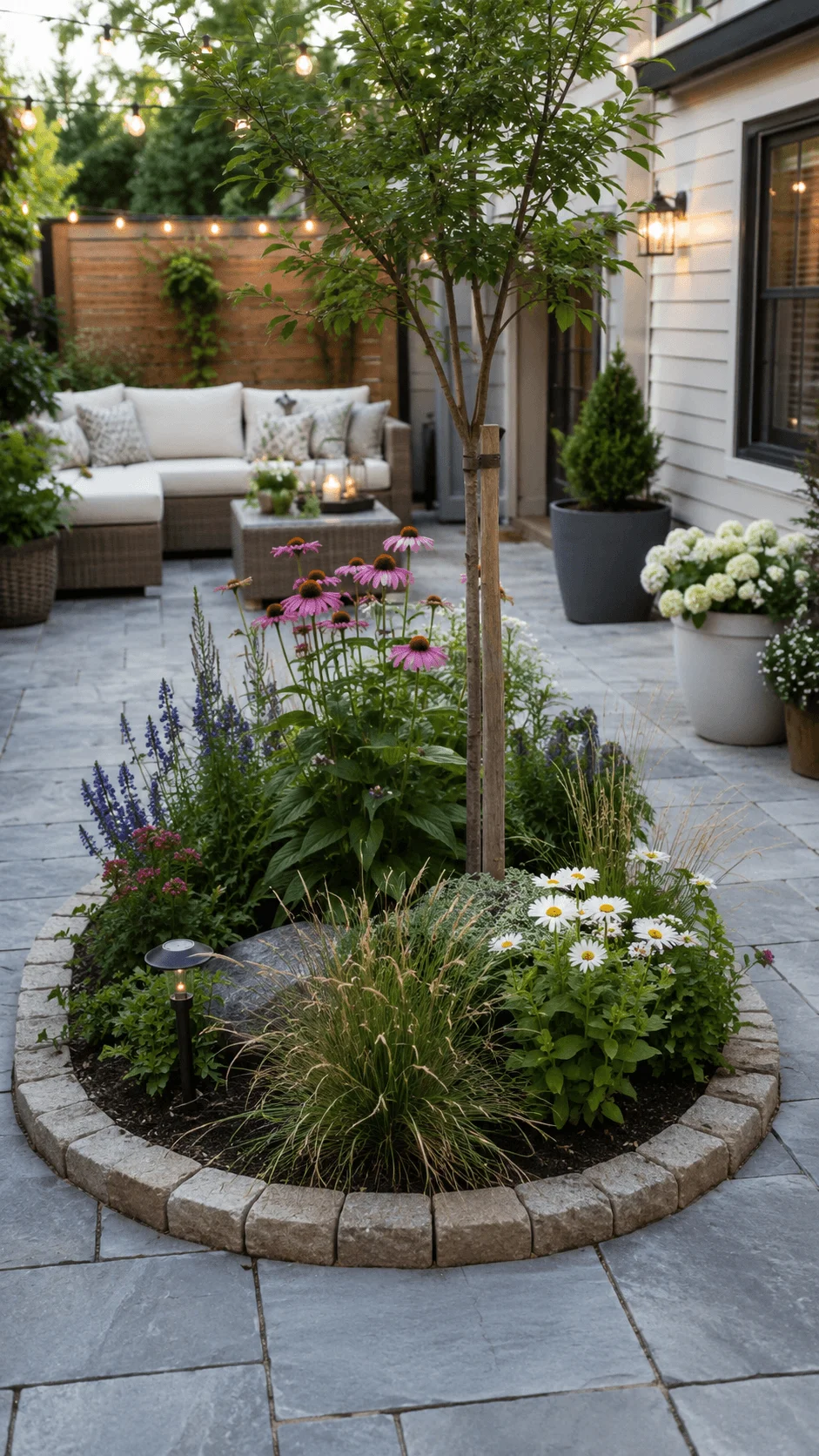
Choose plants according to the amount of sunlight the patio receives. Compact flowering plants, herbs, grasses and suitable native species can work well when they match the local conditions.
You can also use the planting island to combine several types of plants. Taller plants can provide structure, while smaller flowers can fill the edges. Trailing plants can soften the sides of containers or raised beds.
The planting area can also help reduce the visual impact of paving. Where appropriate, plants and permeable soil areas can allow some rainfall to reach the ground rather than immediately running across hard surfaces.
Keep the design proportional to your patio. A small island should create interest without making movement difficult. Leave enough room for walking and outdoor furniture.
For anyone looking for eco friendly patio garden ideas, this technique offers a practical way to introduce more greenery without completely redesigning an existing outdoor space.
9. Use Rainwater for Container Plants
Water conservation plays an important role in sustainable gardening, particularly when plants grow in containers. Container plants often need more frequent attention because their limited growing medium can lose moisture relatively quickly.
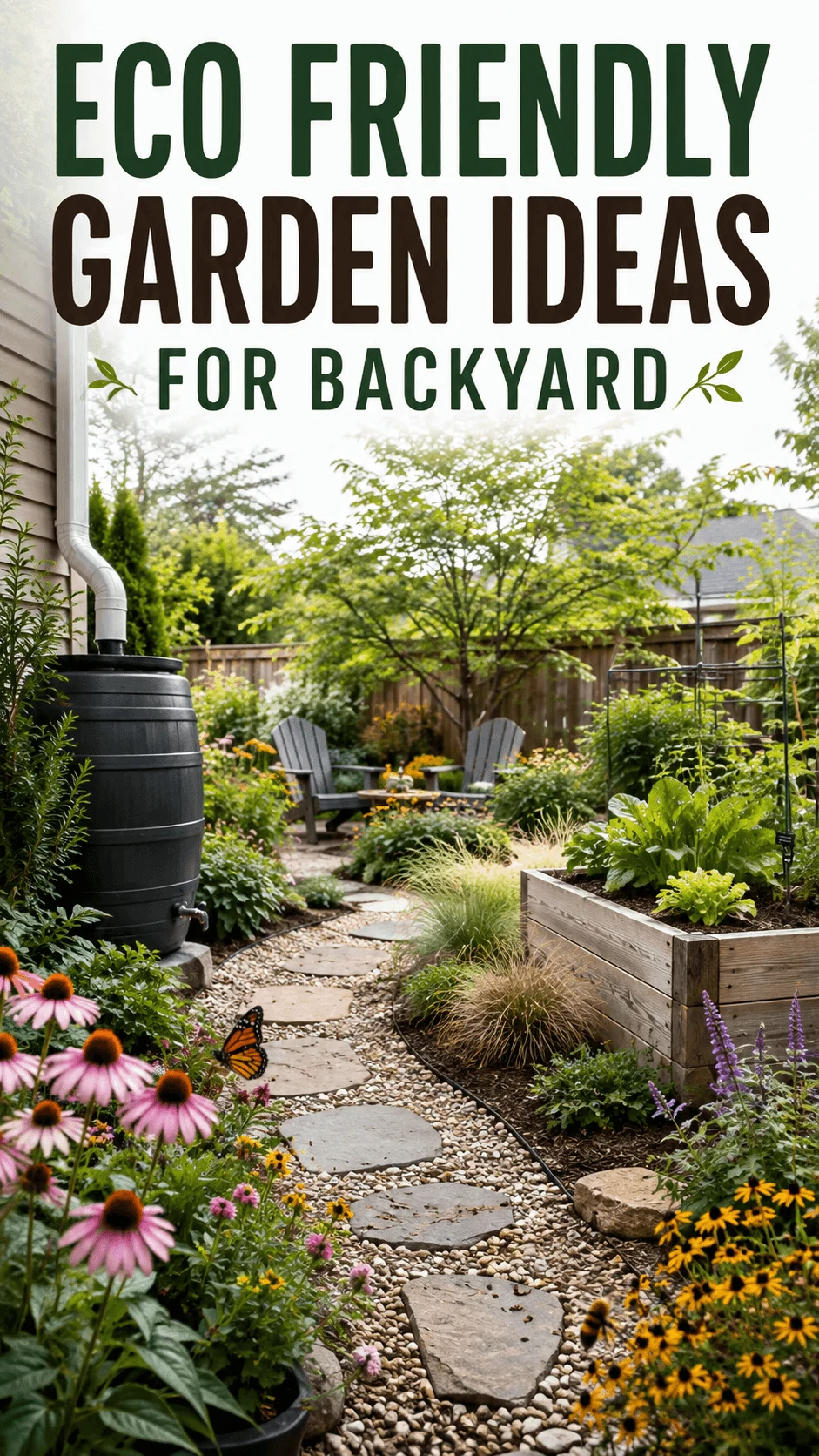
Rainwater collection can help reduce reliance on treated household water when local conditions and regulations allow it. You can collect rainfall using a suitable water storage system and use it for appropriate garden plants.
Even a compact garden can benefit from thoughtful water management. Instead of allowing rainfall to disappear from a roof or paved surface, gardeners can look for practical ways to capture some of that resource.
The important point is to keep the system appropriate for the size of your garden. You do not need a large tank if you only have a balcony or tiny patio. A compact storage container may be sufficient for a modest collection system.
Mulching can further improve water efficiency. A suitable layer of organic mulch around plants can help reduce moisture loss from the surface of the growing medium.
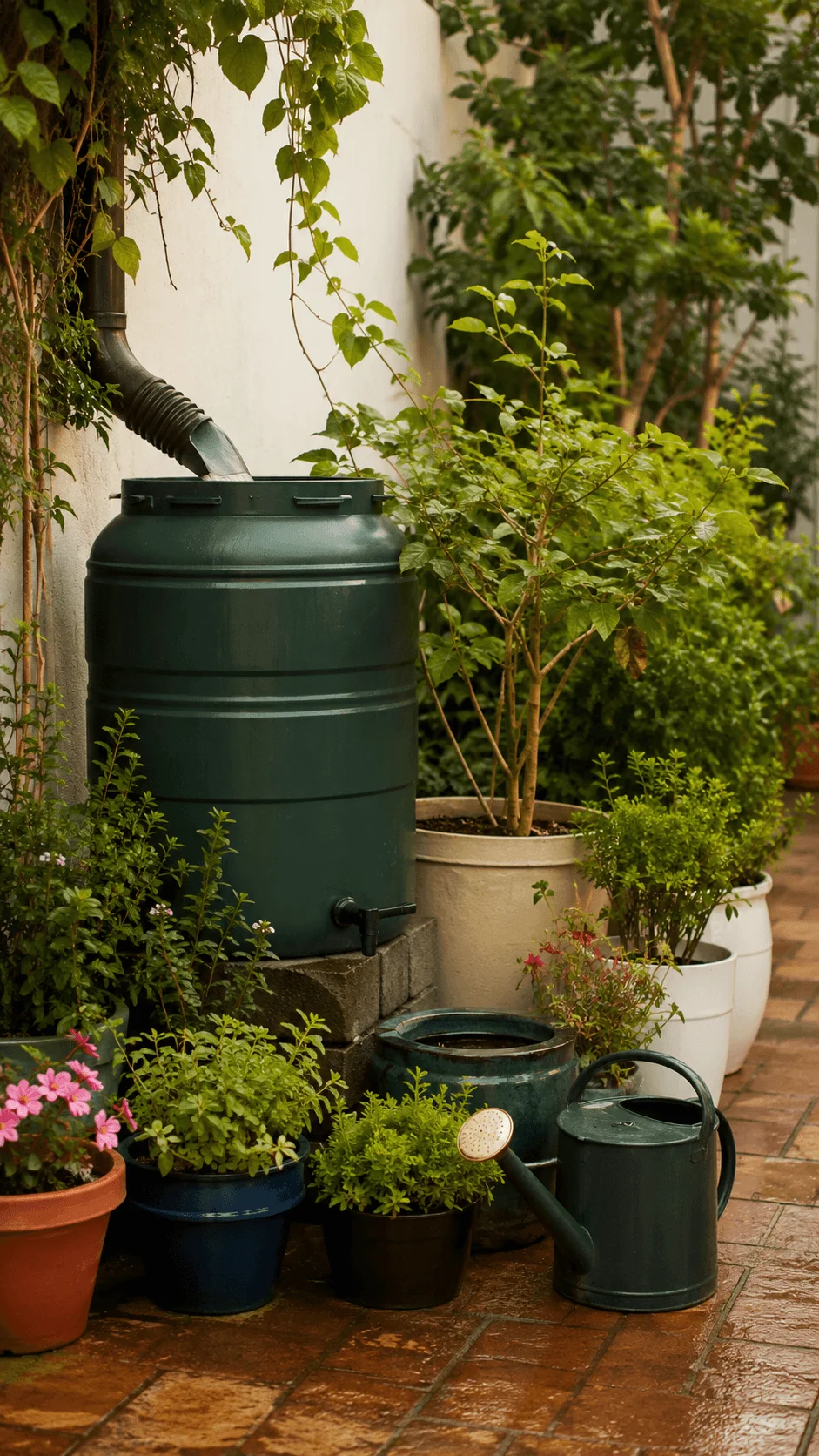
Container placement also matters. Grouping containers together can make watering easier and may reduce moisture loss in certain conditions. Plants that need more water can stay in suitable locations, while drought tolerant varieties can occupy areas that receive stronger sunlight.
Check your plants rather than watering automatically. Feel the growing medium and consider the weather before adding more water. Overwatering wastes water and can also create problems for plant roots.
These small garden water saving ideas can make everyday maintenance more efficient while supporting a more responsible approach to gardening.
10. Try Layered Eco Friendly Planting
When you cannot expand your garden horizontally, use different levels to make better use of the available space.
Layered planting combines tall, medium height, low growing and trailing plants within the same general area. This technique creates visual depth while allowing you to introduce more variety without filling the garden with separate containers.
Start with a taller plant that creates structure. Depending on your conditions, this could be a suitable ornamental plant, compact shrub or climbing variety. Place medium height plants in front of it and use lower growing plants around the edges.
Trailing plants can occupy the sides of raised planters or containers. Their foliage can soften hard edges and create a fuller appearance.
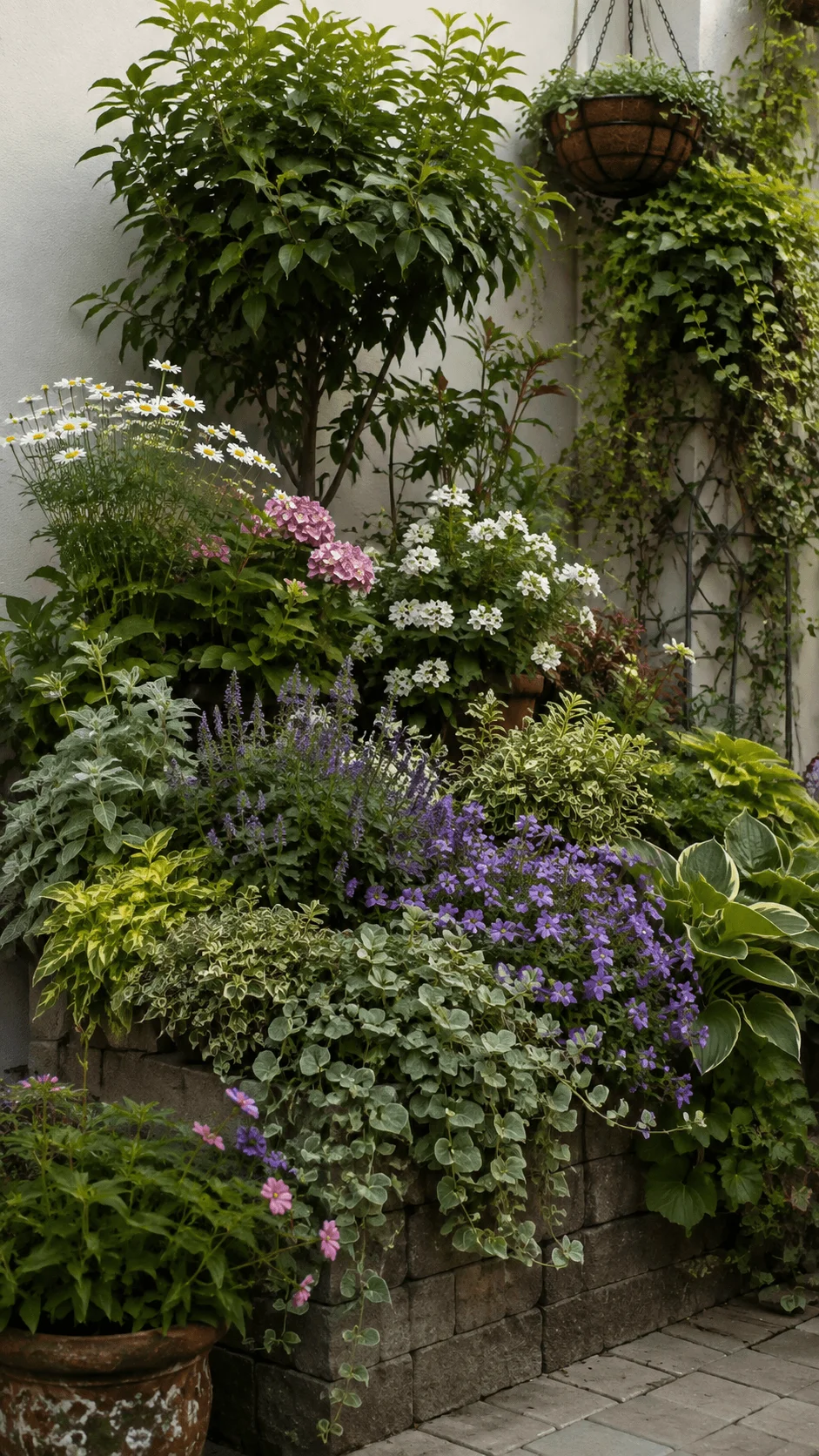
Layering also creates different environments for wildlife. Flowers at different heights can provide pollinators with additional feeding opportunities, while dense foliage can offer shelter for small creatures.
You can apply the same principle to a balcony. A tall container can sit against a wall, medium plants can occupy the middle area and smaller pots can fill the front. Hanging planters can add another level without taking up floor space.
Avoid placing too many plants together simply because the garden is small. Plants still need adequate room for their roots and foliage. Good spacing makes maintenance easier and can reduce competition for water and sunlight.
Layered planting can make a compact garden feel much richer without requiring additional land. It is one of the simplest ways to create attractive sustainable garden ideas for small spaces.
11. Grow an Edible Micro Garden
A small garden can produce more than flowers. An edible micro garden can provide herbs, vegetables, fruits or leafy greens while making productive use of limited space.
You do not need a large vegetable bed to get started. Containers, window boxes, vertical planters and compact raised beds can all support edible plants when you choose varieties that suit the available conditions.
Herbs are an excellent starting point because many varieties can grow successfully in relatively small containers. You can keep frequently used herbs close to the kitchen, making them easy to harvest when preparing meals.
Leafy greens can also work well in compact gardens. Depending on your climate, suitable varieties can grow in containers and provide repeated harvests when gardeners pick outer leaves rather than removing the entire plant.
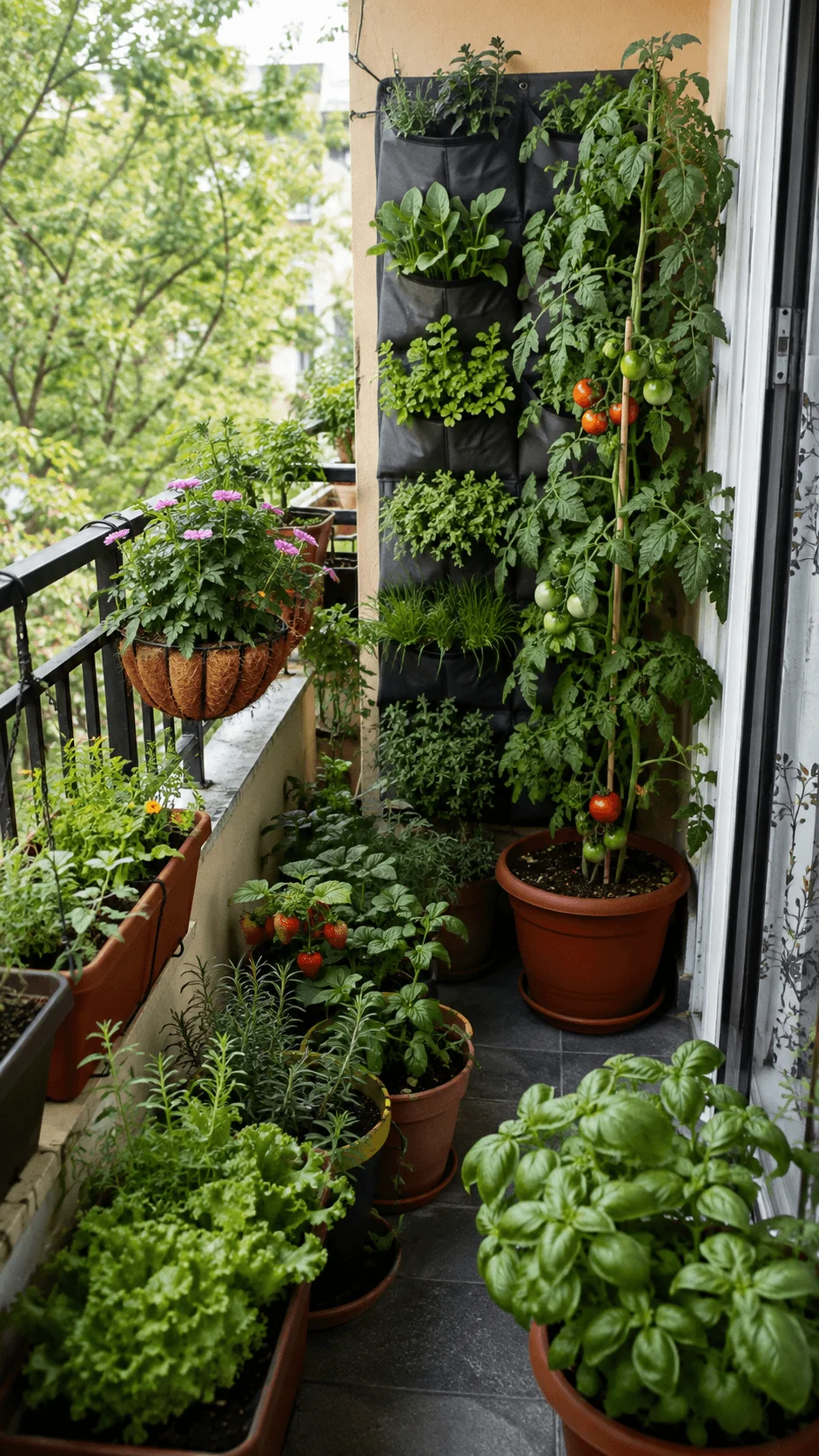
Strawberries offer another interesting option for small spaces. They can grow in suitable containers and hanging systems, allowing gardeners to use vertical space as well as the ground.
Compact vegetables can also make productive use of a patio or balcony. Choose varieties according to the amount of sunlight, container size and growing season available in your area.
Vertical structures can increase your growing potential. Climbing plants can grow upward instead of spreading across the ground, although you should always provide appropriate support.
Succession planting can also help. Instead of planting everything at the same time, you can introduce new crops as earlier plants finish producing. This keeps the available space productive for longer.
Growing some food at home can also encourage a closer connection with seasonal gardening. You can harvest what you need instead of maintaining a large ornamental area that provides little practical use.
The best eco friendly edible garden ideas focus on realistic production rather than trying to turn a tiny balcony into a complete food supply. Even a few containers can make the space more useful.
12. Leave a Small Wild Corner for Wildlife
One of the most interesting changes in modern gardening is the growing appreciation for less manicured spaces.
A small garden does not need every section to contain perfectly trimmed plants and completely bare soil. Leaving one small corner more natural can provide additional habitat while adding character to the garden.
You might allow suitable plants to grow more naturally, leave some seed heads standing after flowering or incorporate fallen leaves into a designated area. Small pieces of natural wood can also contribute to a wildlife friendly environment when used appropriately.
The key is to make the area look intentional.
You can create a defined boundary using stones, logs or natural edging. Place the wildlife corner beside native plants or flowering species so it becomes part of the overall garden design.
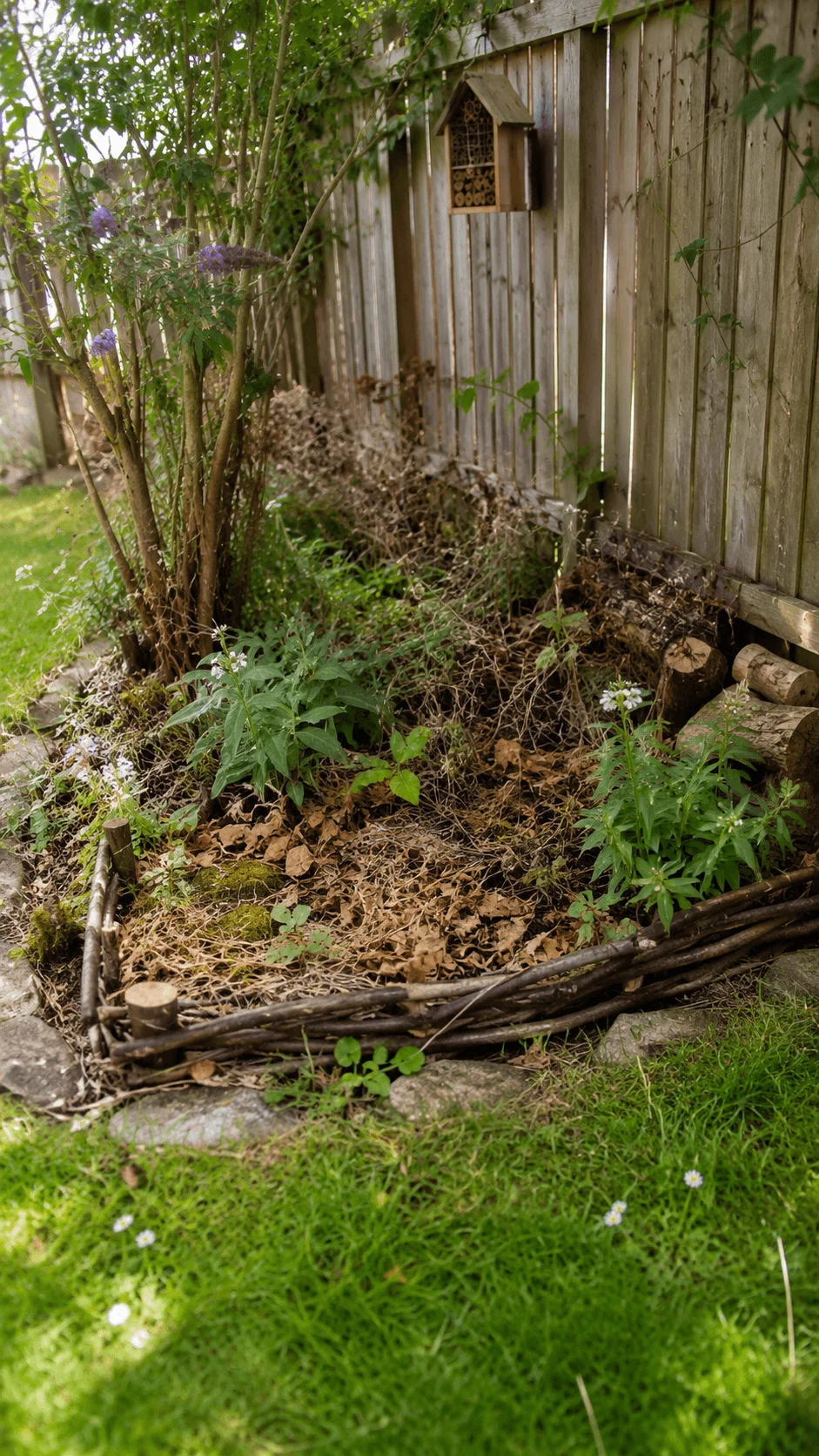
Seed heads can provide food for some birds and insects, while dense vegetation can offer shelter. Fallen leaves can also contribute organic material to the garden rather than immediately becoming waste.
You do not need to abandon maintenance completely. Remove invasive or unhealthy plants when necessary and keep pathways and frequently used areas tidy. The goal is to create a small area where nature has slightly more freedom.
This approach works particularly well in compact urban gardens because it does not require much room. A narrow strip beside a fence, a small corner behind a planter or an unused section near a wall can become a miniature wildlife area.
When combined with water, native plants and flowering species, the result can become a much more diverse garden environment.
These small wildlife garden ideas show that sustainability does not always require expensive equipment or major landscaping work. Sometimes the most environmentally friendly improvement involves simply giving nature a little more room.
How to Combine These Eco Friendly Garden Ideas
You do not have to choose just one approach. In fact, combining several small improvements can create a much stronger result.
For example, a tiny patio could contain a vertical pollinator wall against one side, an edible herb planter near the kitchen door and a small native planting area near the seating space. A compact water feature could occupy another corner, while an upcycled container could provide additional growing space.
Think about what your garden needs before adding anything. If water disappears quickly, focus on moisture retention and drought tolerant plants. If the garden lacks wildlife, prioritize native flowers, a small water source and shelter. If you have almost no floor space, concentrate on vertical growing.
You can also reuse the same feature for several purposes. A trellis can support edible plants while providing vertical habitat. A large container can hold a mixture of attractive plants while also creating a focal point. A native flowering area can improve the appearance of your garden while supporting pollinators.
The most successful eco friendly garden ideas for small spaces do not simply add more objects to an outdoor area. They make existing space work harder.
Conclusion
Creating a sustainable garden does not depend on owning a large backyard. Even a balcony, patio, courtyard or narrow outdoor corner can become a greener and more useful space when you plan carefully.
The best eco friendly garden ideas for small spaces focus on using limited resources wisely. Vertical planting can create more growing opportunities without taking up valuable floor space. Native plants can support local wildlife, while pollinator friendly flowers can make a compact garden more welcoming to beneficial insects.
Water conservation can also make a significant difference. Rainwater collection, suitable mulch, thoughtful plant selection and efficient watering habits can help reduce unnecessary water use. At the same time, upcycled containers can give old materials a new purpose while adding personality to the garden.
You can make your space even more valuable by growing herbs, vegetables and fruit alongside ornamental plants. A small wildlife pond or hydration station can introduce water, while a deliberately natural corner can provide shelter and food opportunities for wildlife.
The important thing is to start with what you already have. You do not need to transform the entire garden at once. Choose one suitable idea, make the most of your available space and gradually introduce other sustainable features.
With thoughtful planting and a little creativity, even the smallest outdoor area can become an attractive, productive and wildlife friendly garden that feels good to use and better for the environment.