12 Eco Friendly Alternatives to Tupperware for 2026
Finding practical eco friendly alternatives to Tupperware has become an important goal for people who want to reduce unnecessary plastic use without making food storage complicated. In 2026, sustainable food storage goes far beyond replacing every plastic box with a glass one. People now have options designed for freezing, packed lunches, leftovers, portion control, compact kitchens, and even serving food directly at the table. The best choice depends on how you cook, where you store food, and how often you carry meals away from home.
A more sustainable kitchen does not require throwing away every container you already own. In many cases, continuing to use a suitable product for as long as it remains functional makes more sense than replacing everything at once. When a replacement becomes necessary, durable materials and multipurpose designs can help reduce dependence on disposable storage products.
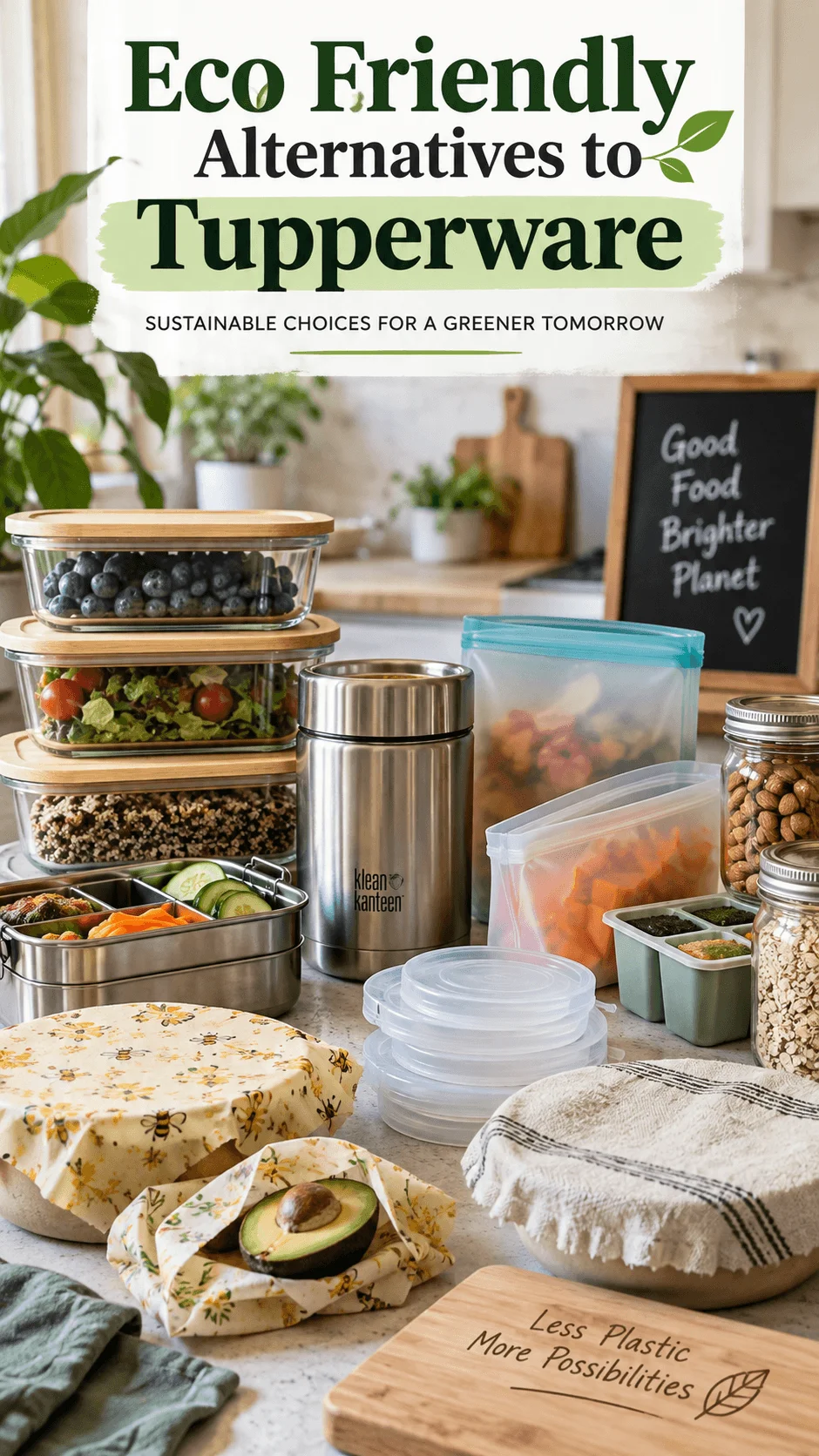
The following eco friendly alternatives to Tupperware offer different advantages. Some focus on longevity, while others save space or make meal preparation easier. Understanding these differences can help you build a food storage system that actually suits your household.
1. Plastic Free Glass Containers With Glass Lids
Glass has long been one of the most familiar alternatives to plastic food containers, but newer designs take the idea further. Traditional glass containers often still use large plastic lids. People who want to reduce plastic more substantially can now look for designs that pair glass bases with glass lids and smaller silicone seals where necessary.
Glass makes leftovers easy to see, which can help prevent forgotten food from disappearing at the back of the refrigerator. It also resists many stains and odors that can become noticeable in heavily used plastic containers.
However, a glass body does not automatically make an entire storage system plastic free. Lids, clips, valves, seals, and other components can contain different materials. Checking the complete design gives shoppers a clearer picture of what they are buying.
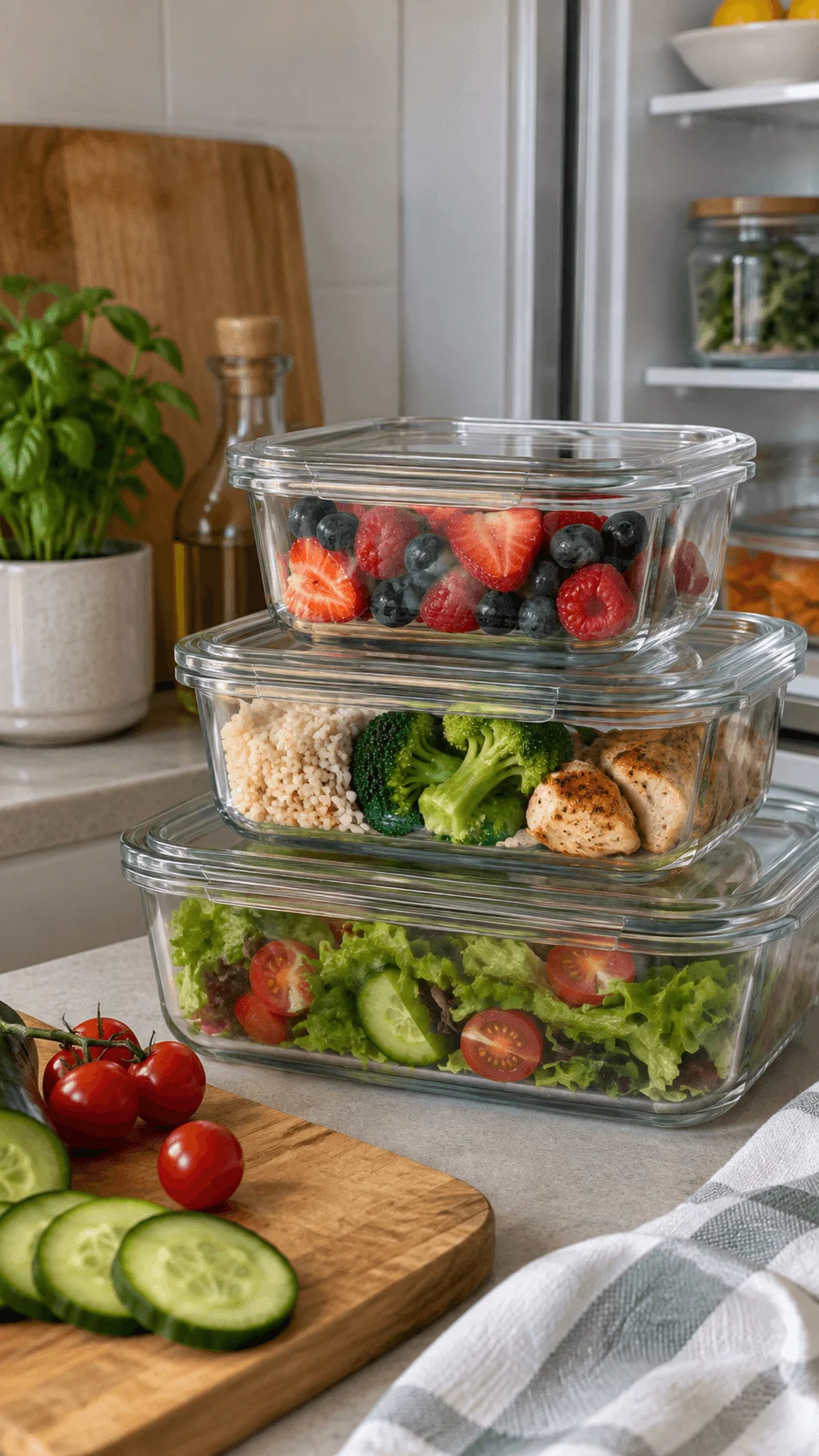
Weight presents another consideration. Glass works particularly well for food stored at home, but someone carrying lunch on a long commute may prefer something lighter. Breakability also means households need to handle glass carefully.
For refrigerator leftovers and everyday home use, glass remains one of the most versatile eco friendly alternatives to Tupperware.
2. Borosilicate Glass Freezer to Oven Containers
Borosilicate glass adds another dimension to sustainable food storage because suitable designs can perform several kitchen jobs.
Depending on manufacturer instructions, one container may help with food preparation, refrigerator storage, freezing, reheating, and serving. This versatility can reduce the need for separate dishes for every stage of a meal.
For example, someone preparing a baked meal may use an appropriate glass dish for cooking, allow the food to cool correctly, store the leftovers, and later reheat them without transferring everything into several containers.
That convenience also creates a useful sustainability lesson. Choosing multipurpose kitchenware can sometimes matter as much as choosing a particular material.
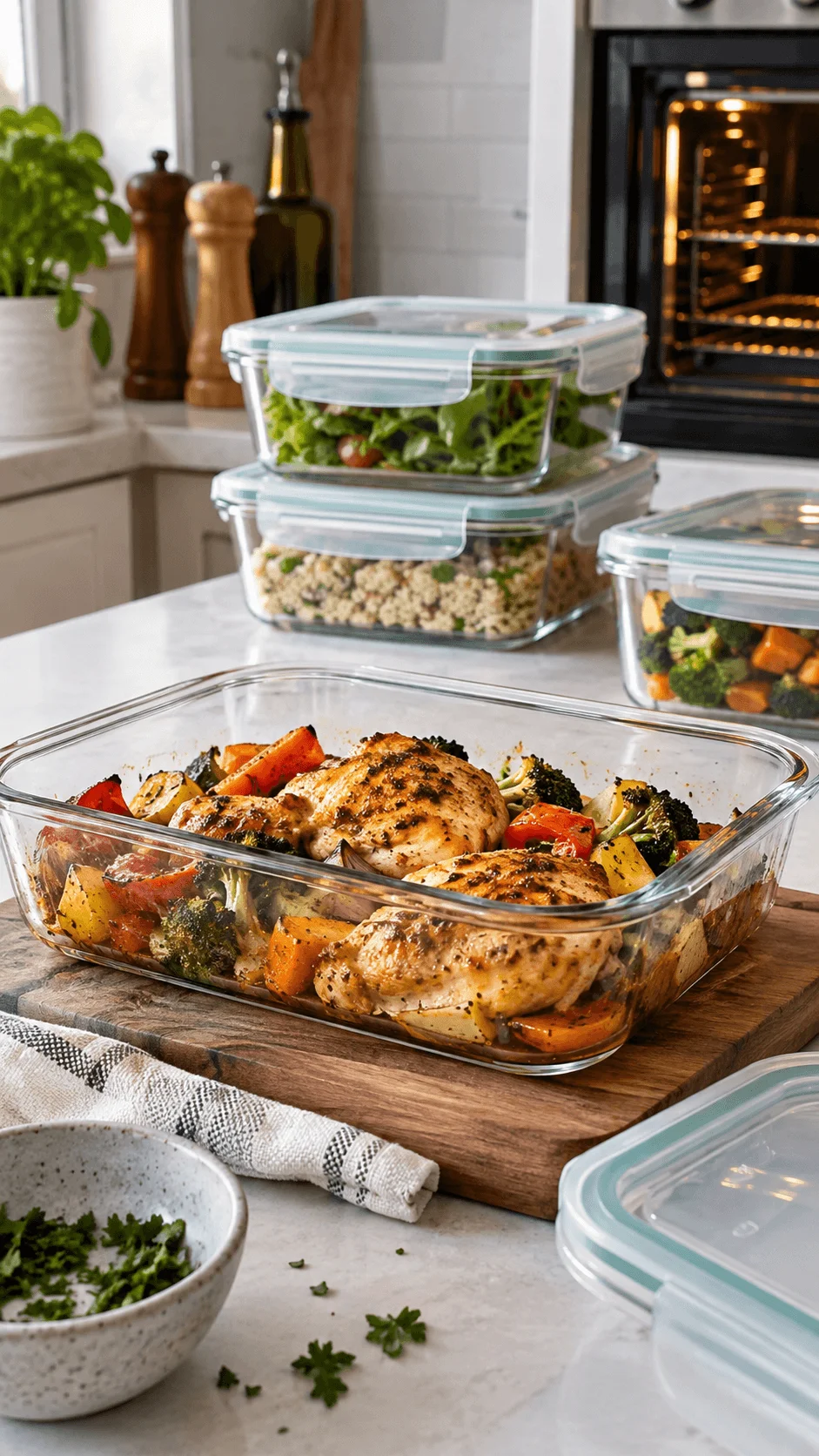
Glass still requires careful temperature management. Sudden temperature changes can damage some containers. Never assume that a dish can move directly from a freezer into a hot oven. Users should follow the temperature limits and thermal shock instructions provided for their specific container.
For people who batch cook frequently, versatile borosilicate designs can make sustainable food storage considerably simpler.
3. Stainless Steel Bento Containers
Stainless steel bento boxes address one of the biggest disadvantages of glass: portability.
Compartmented designs allow people to separate sandwiches, fruit, vegetables, snacks, rice, and other foods inside one reusable container. This makes them particularly useful for work lunches, school meals, picnics, and travel.
Good stainless steel can tolerate years of regular use when cared for properly. It does not shatter like glass, making it practical for people who frequently carry meals outside the home.
Bento compartments can also reduce the need for several individually wrapped snacks. Instead, one container can organize several parts of a meal.
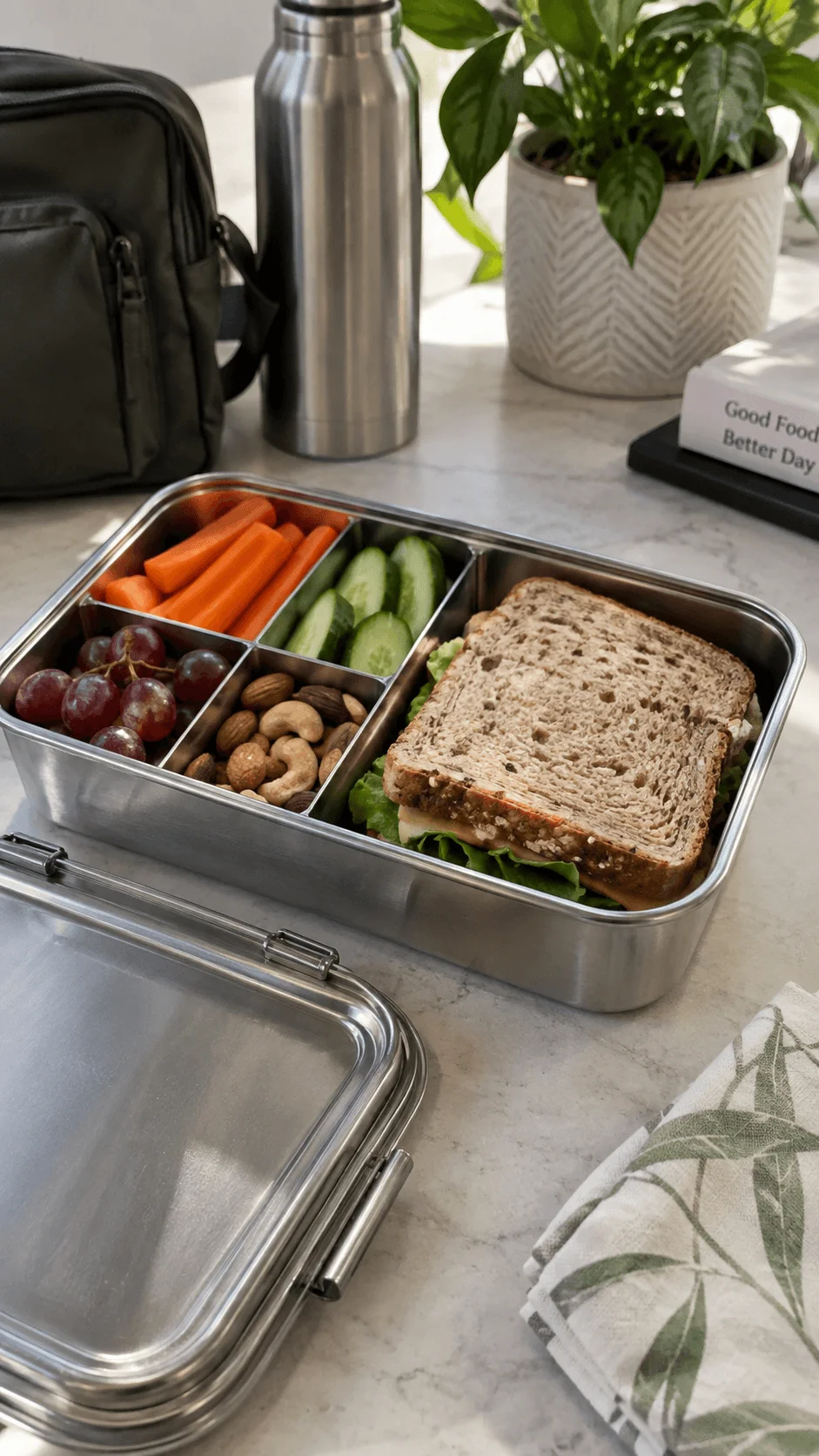
There are limitations. Stainless steel generally cannot go into a microwave. Someone who needs to microwave lunch at work may find glass more convenient. Leak resistance also depends on the container design, so a box that works perfectly for sandwiches may not necessarily suit soup or thin sauces.
Among sustainable alternatives to Tupperware, stainless steel makes the most sense when durability and portability matter more than microwave convenience.
4. Insulated Stainless Steel Food Jars
Insulated food jars take reusable storage beyond simply keeping food contained.
Their purpose includes maintaining food temperature for a period of time. This makes them useful for soup, oatmeal, pasta, rice, curry, stew, and other meals that people want to carry away from home.
A food jar can also support different eating habits. Instead of relying on individually packaged convenience foods, someone can prepare a suitable meal at home and carry it to work or school.
These containers can work for cold foods as well. The exact performance depends on the product, preparation method, starting temperature, and how long the food remains inside.
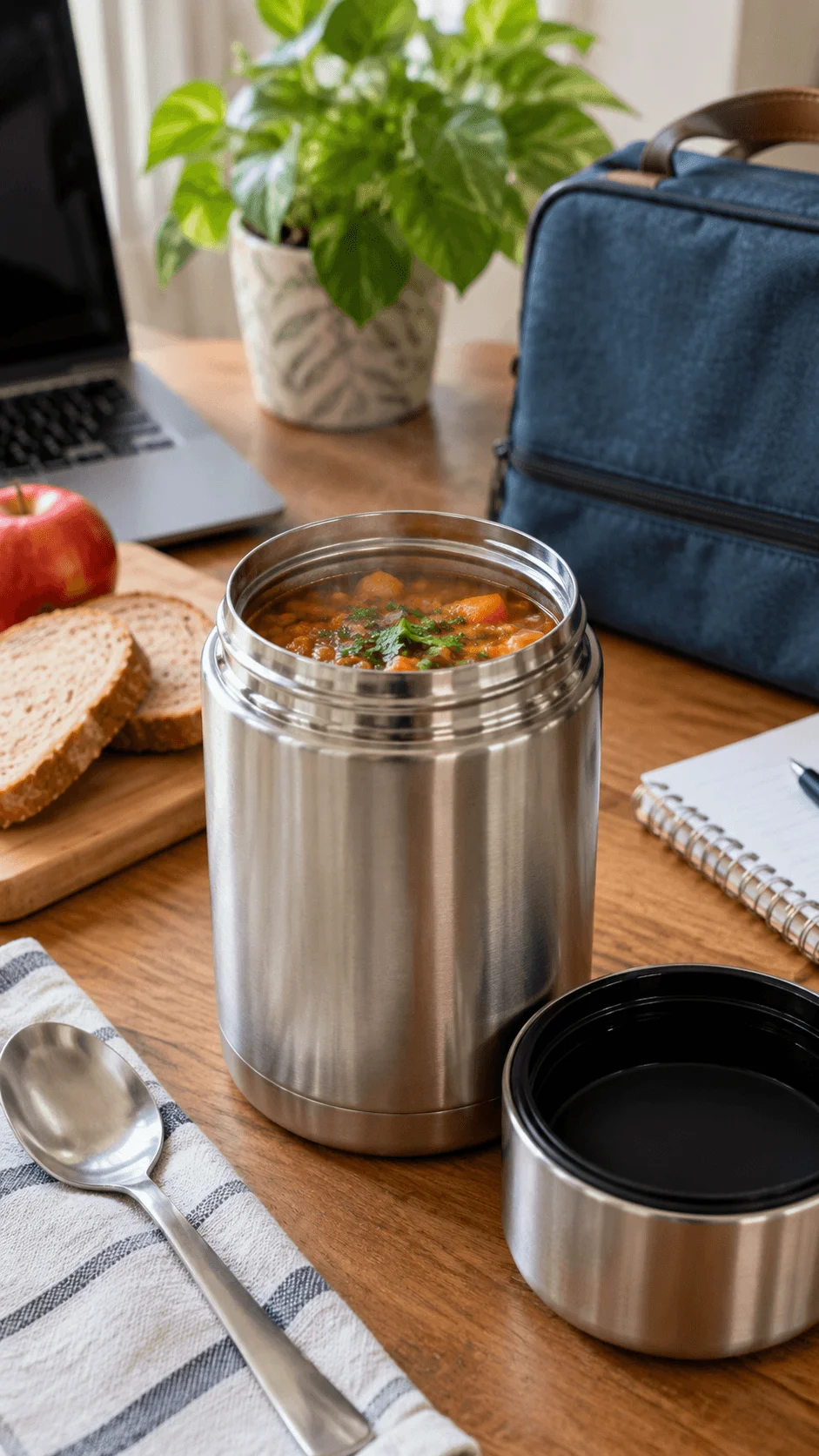
Capacity deserves attention. A small jar may work for a child’s lunch but feel inadequate for an adult meal. Wide openings generally make eating and cleaning easier.
Proper food safety still matters. Insulation does not remove the need to prepare, store, and consume foods appropriately.
5. Stand Up Reusable Silicone Food Storage Bags
Reusable silicone bags have developed into much more versatile food storage tools. Stand up designs can remain upright while being filled, allowing them to function somewhere between a flexible bag and a rigid container.
They can hold vegetables, snacks, prepared ingredients, leftovers, and suitable freezer foods. Their flexible construction also provides an advantage for compact kitchens.
Rigid containers continue occupying cabinet space when empty. Flexible storage can often take up less room, which makes it attractive for apartments and smaller kitchens.
Silicone also comes with tradeoffs. Bags can require more effort to wash and dry thoroughly, particularly around corners and seals. Some foods may leave odors if users do not clean the bags correctly.
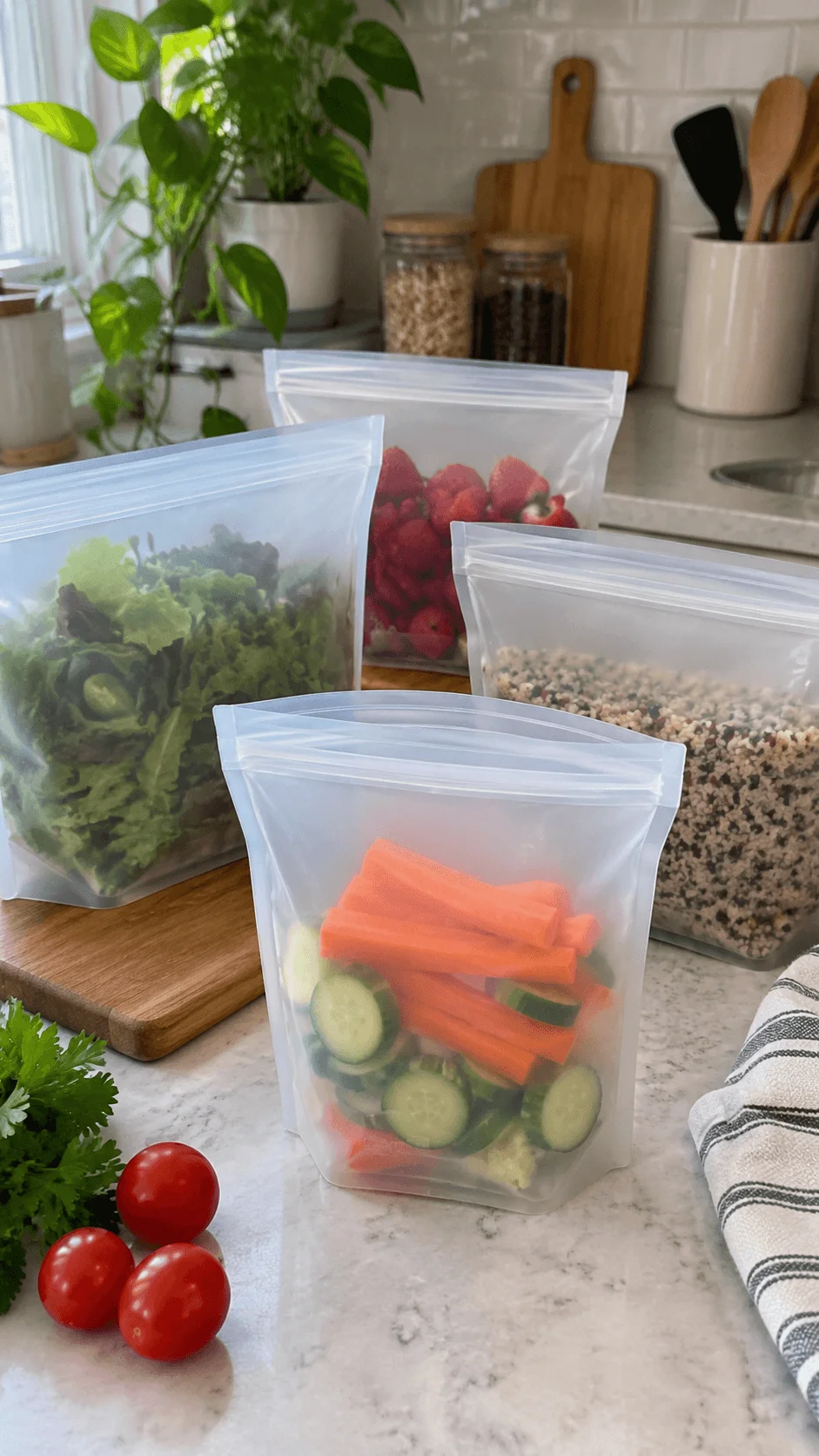
Quality varies considerably, so consumers should follow manufacturer guidance about heating, freezing, dishwashing, and food contact.
Reusable silicone can be one of the more practical eco friendly alternatives to Tupperware, but durability and repeated use determine much of its long term value.
6. Silicone Freezer Cubes and Portion Trays
Freezer portion trays introduce a different way to think about food storage.
Instead of freezing a large batch of soup or sauce in one container, a household can divide suitable foods into individual portions. Once frozen, portions can move into appropriate longer term freezer storage when necessary.
This method works particularly well for broth, sauces, soup, purees, herbs, smoothie ingredients, baby food, and portions of prepared meals.
The biggest advantage involves flexibility. If someone freezes six portions of soup separately, they can thaw one serving without defrosting the entire batch.
That can support food waste prevention. Large frozen portions sometimes remain unused because thawing them creates more food than someone needs. Smaller portions give households greater control.
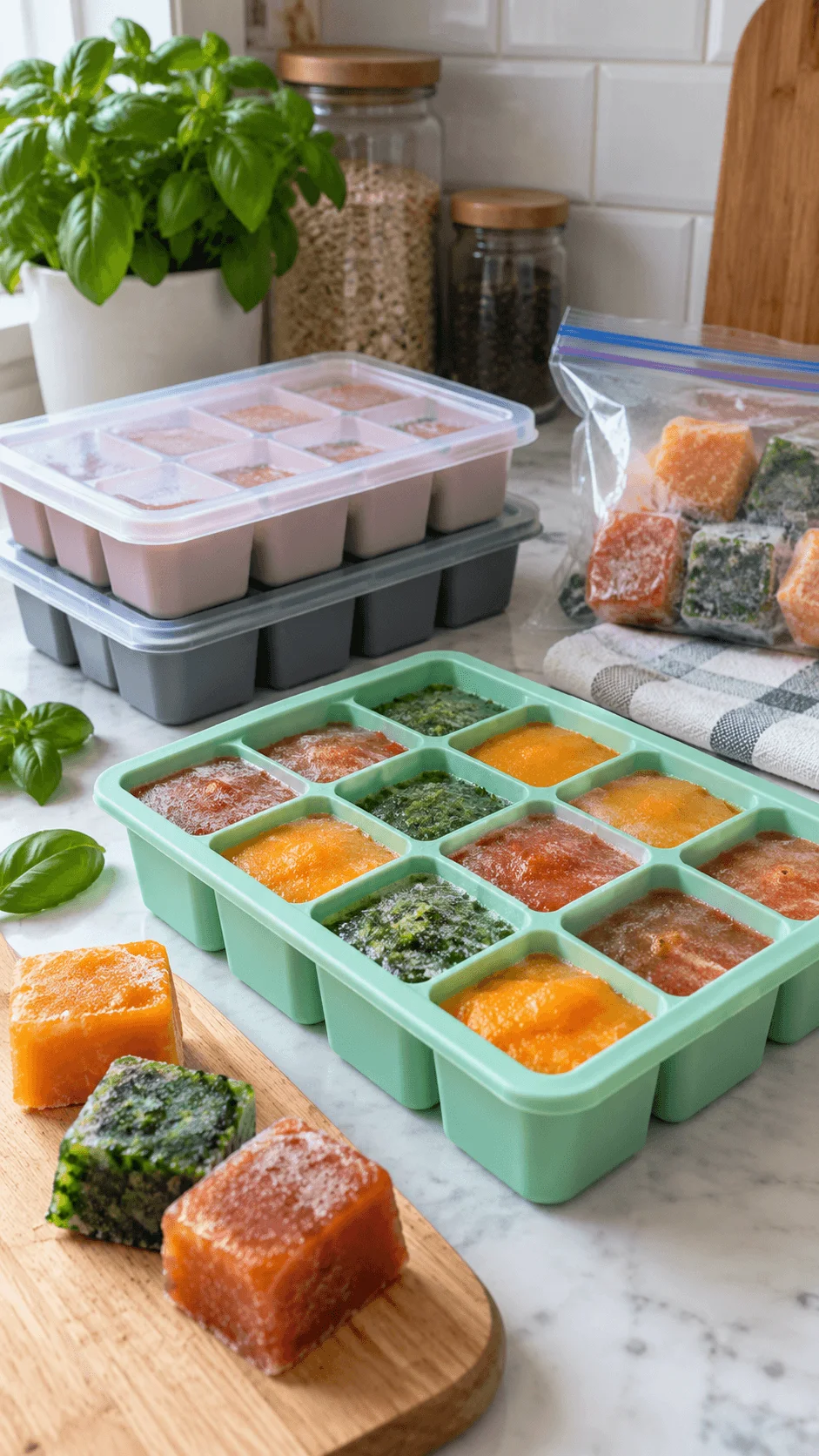
Portion trays can also make batch cooking easier. A few hours of cooking can produce conveniently sized ingredients or meals for future days.
This approach demonstrates how sustainable food storage alternatives can improve household routines instead of simply replacing one material with another.
7. Reusable Silicone Stretch Lids
Sometimes the most useful container is the bowl that already holds the food.
Reusable stretch lids build on this simple idea. A compatible lid can cover an existing bowl, cup, jar, plate, or other suitable vessel instead of requiring someone to transfer the contents into another container.
This can reduce reliance on disposable plastic wrap while also reducing the number of dishes that need washing.
Stretch lids require very little cabinet space compared with another collection of rigid containers. This makes them particularly useful in kitchens where storage space matters.
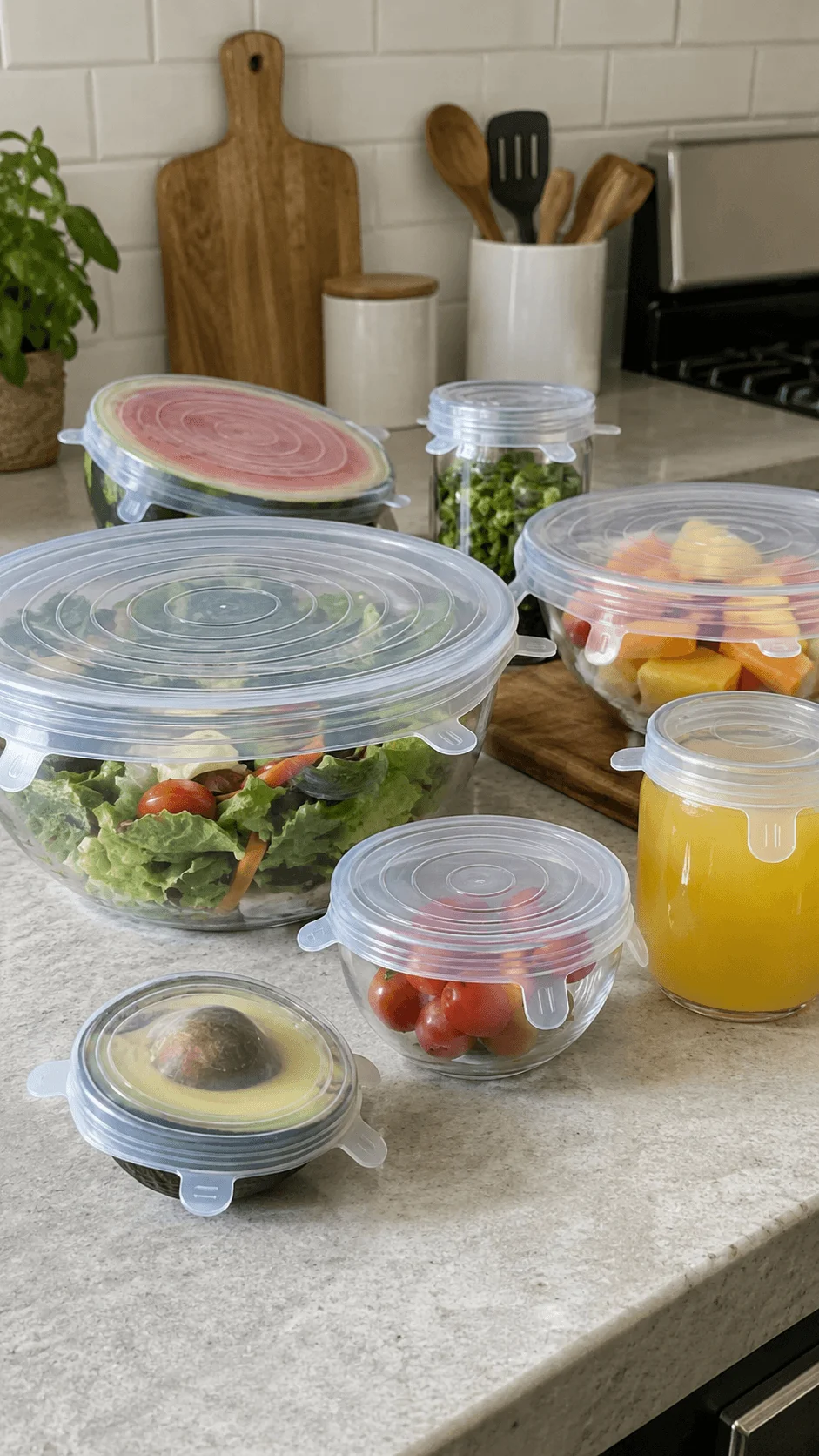
However, fit determines performance. A lid that does not match the shape or size of a container may not create a useful seal. Stretch lids also cannot replace secure leakproof containers for every purpose.
Their strength lies in simple refrigerator storage and temporary food covering rather than trying to perform every food storage task.
8. Reusable Cotton and Linen Bowl Covers
Fabric bowl covers provide an even simpler approach to plastic free food storage.
These washable covers usually fit over existing bowls with an elastic edge. People can use suitable designs for bread dough, salads, produce, prepared ingredients, picnic foods, and other temporary covering needs.
Their environmental appeal partly comes from using kitchenware that already exists. Instead of purchasing a separate container for every leftover, a household can sometimes cover its existing bowl.
Fabric covers also fold into a small space when not in use.
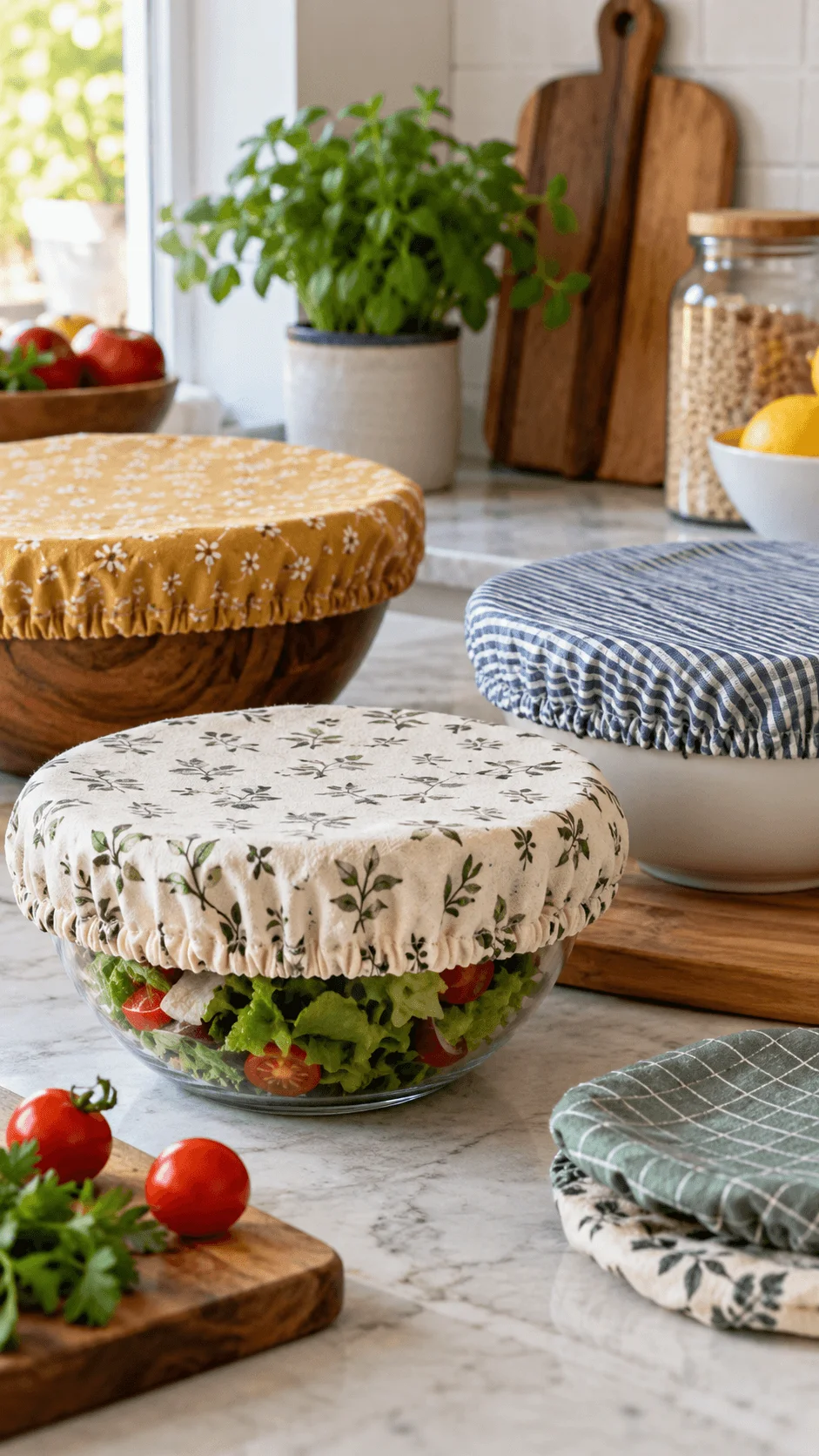
They do not provide the same performance as airtight containers. Most ordinary fabric covers cannot securely contain liquids, and they may not protect foods that require a strong seal.
This distinction matters because sustainable living should not mean using an unsuitable product simply because it contains less plastic. Matching the storage method to the food remains essential.
9. Beeswax Food Wraps
Beeswax wraps remain a useful flexible alternative for foods that do not require a rigid container.
People commonly use them around cheese, bread, sandwiches, vegetables, cut produce, snacks, or over suitable bowls. The warmth of the hands can help shape the wrap around an item.
One major advantage comes from replacing disposable wrapping in situations where a large container would feel unnecessary. Half a vegetable, a sandwich, or a piece of cheese may need only a compact covering.
Beeswax wraps require proper care. Hot water and high heat can damage the wax coating, so cleaning instructions matter. They also wear over time and will eventually need replacement.
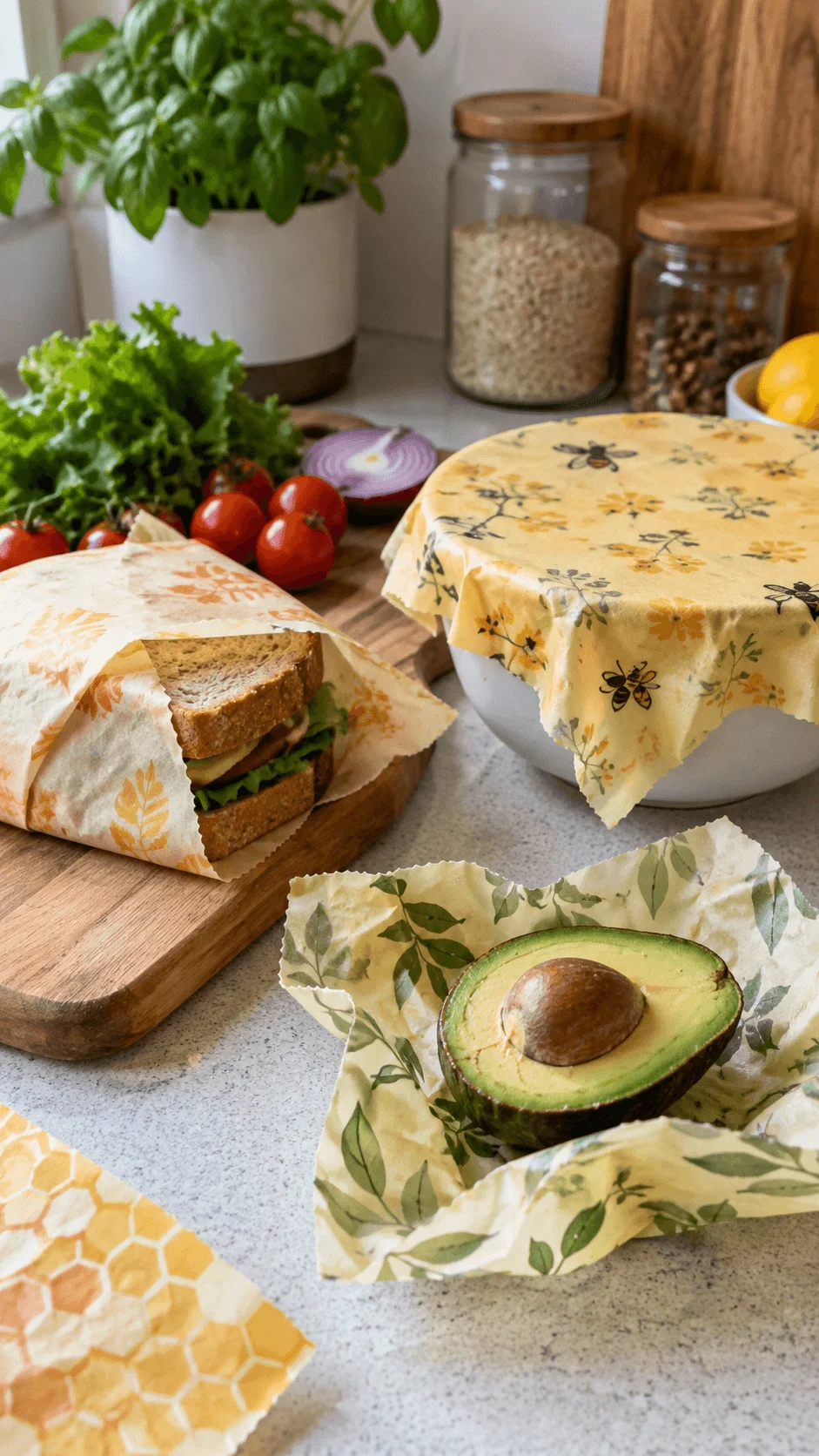
They do not suit every food or storage situation. Food hygiene and safe storage should always take priority over eliminating a particular material.
Because beeswax comes from bees, people who prefer plant based materials can investigate suitable reusable wraps made with alternative waxes.
10. Mason Jars and Upcycled Glass Jars
One of the most overlooked eco friendly alternatives to Tupperware may already be sitting in the kitchen.
Households regularly buy foods packaged in glass jars. Instead of immediately treating every empty jar as waste, people can sometimes clean and reuse suitable ones.
Glass jars work particularly well for dry ingredients, nuts, seeds, spices, snacks, overnight oats, sauces, prepared ingredients, and many other appropriate foods.
Reuse introduces an important environmental principle. Every newly manufactured container requires raw materials, production, packaging, and transportation. Extending the useful life of something that already exists can avoid an unnecessary purchase.
However, reuse requires common sense. Check jars for cracks and chips, keep them clean, and make sure the lid remains appropriate for the intended use.
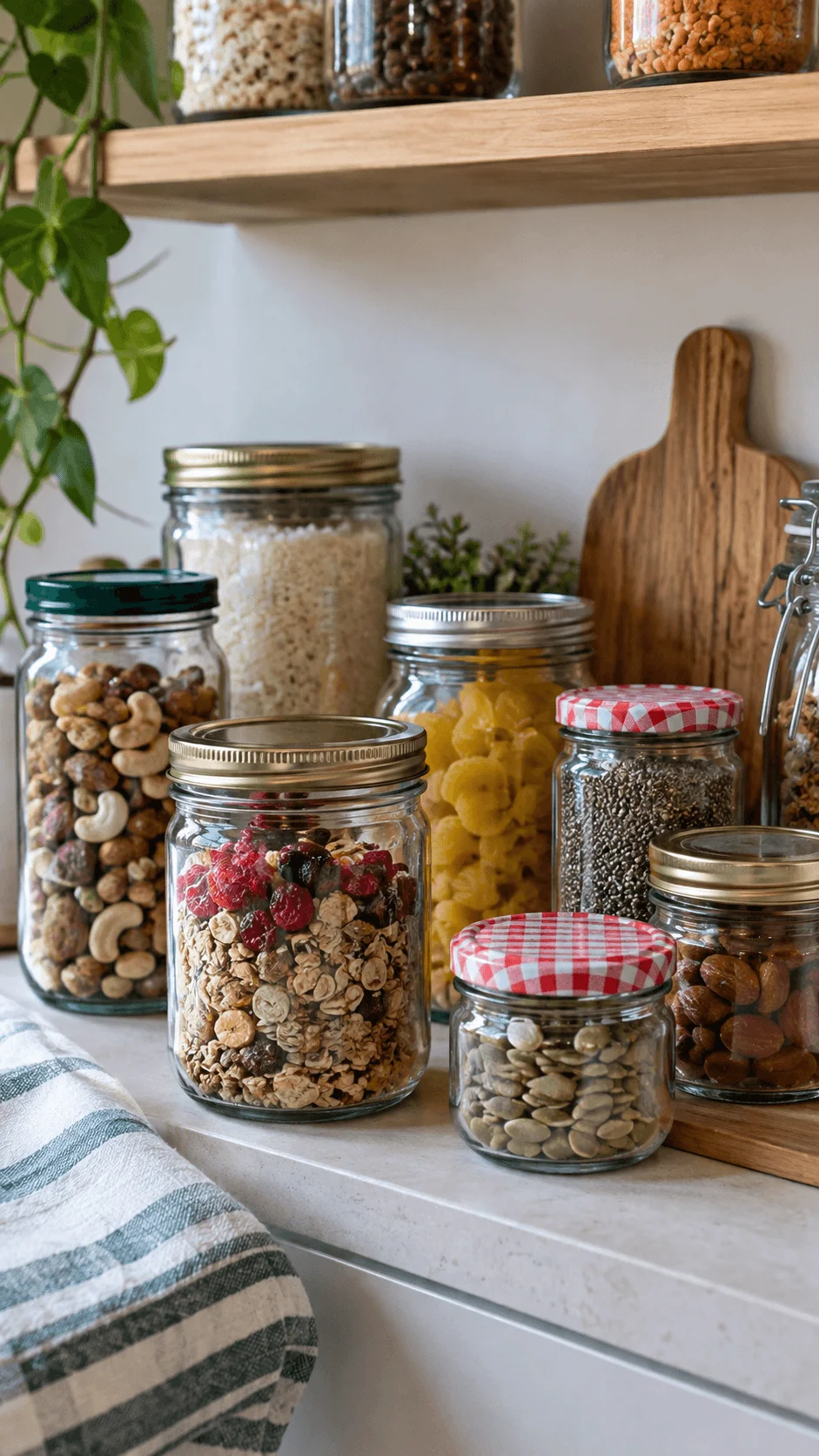
A commercial food jar should not automatically go into a freezer, microwave, or oven. Many jars were not designed for extreme temperature changes.
For ordinary pantry and refrigerator organization, however, reused glass can provide a remarkably inexpensive approach to sustainable storage.
11. Ceramic and Ceramic Coated Food Storage Containers
Another emerging direction involves storage containers that look attractive enough to move directly onto the dining table.
Ceramic and ceramic coated designs can reduce the visual divide between storage dishes and serving dishes. A suitable multipurpose container may store leftovers in the refrigerator and later serve them at the table.
This reflects a broader approach to sustainable kitchens: owning fewer products that perform more functions.
Ceramic has disadvantages. It can be heavy and breakable, while different glazes and coatings require different care. Consumers should choose products intended for food contact and follow manufacturer guidance for microwaves, ovens, freezers, and dishwashers.
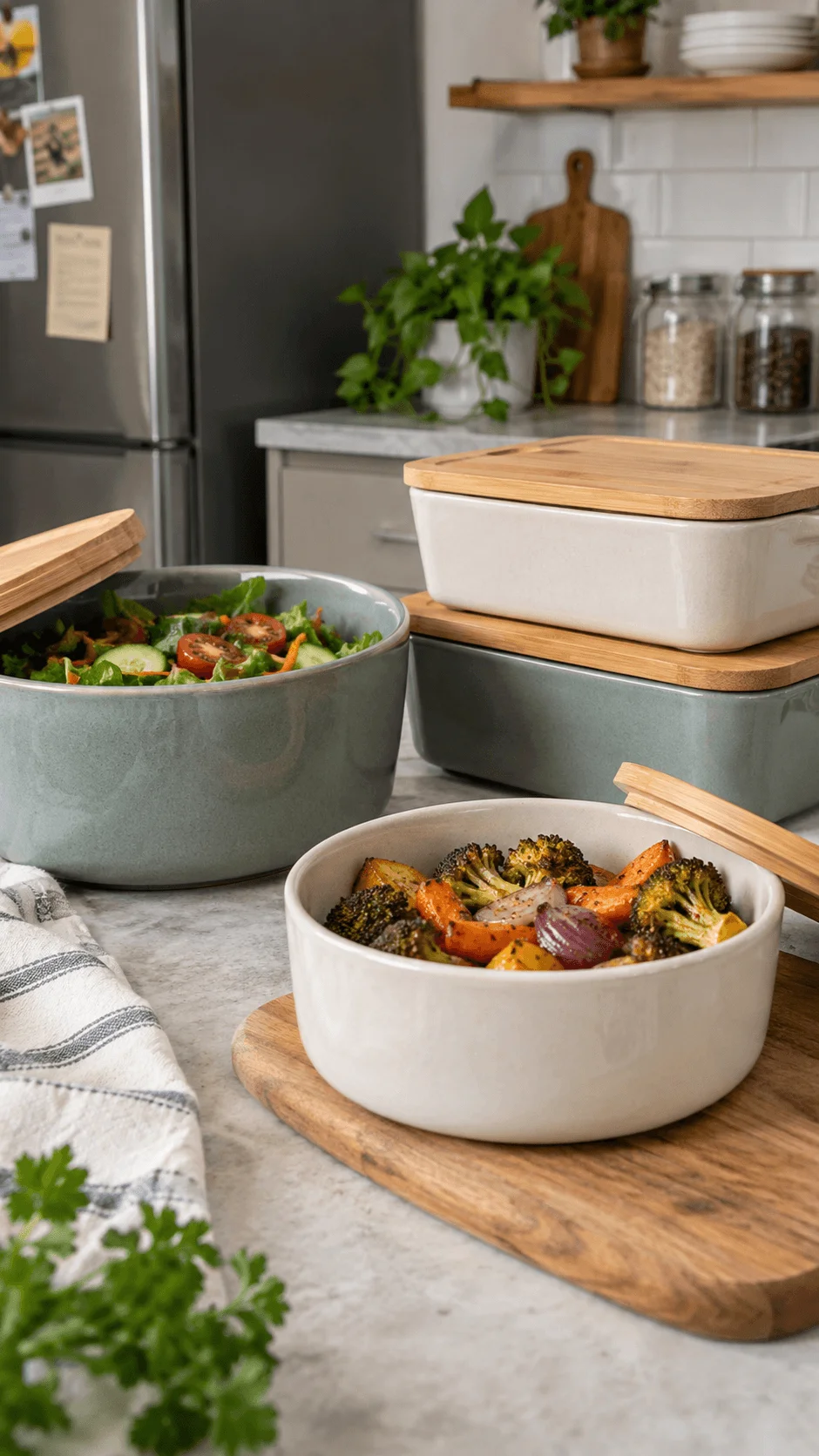
Ceramic should not automatically receive an environmentally friendly label simply because it contains less visible plastic. Longevity and actual use matter.
A durable container that someone uses regularly for many years offers far more practical value than an attractive product that spends most of its life in a cupboard.
12. Plant Based and Compostable Food Containers
Plant based materials represent one of the more interesting areas for the future of eco friendly food storage containers.
Manufacturers and researchers continue exploring materials based on cellulose, starch, fibers, PLA, PHA, and other biological feedstocks. These materials may help reduce reliance on conventional fossil based plastics in certain applications.
However, environmental terminology can create confusion.
Plant based does not automatically mean compostable. Biobased does not necessarily mean biodegradable under normal household conditions. A material described as compostable may require controlled industrial facilities rather than a backyard compost pile.
Local infrastructure therefore matters. A compostable container offers limited end of life advantages if the local waste system cannot process it appropriately.
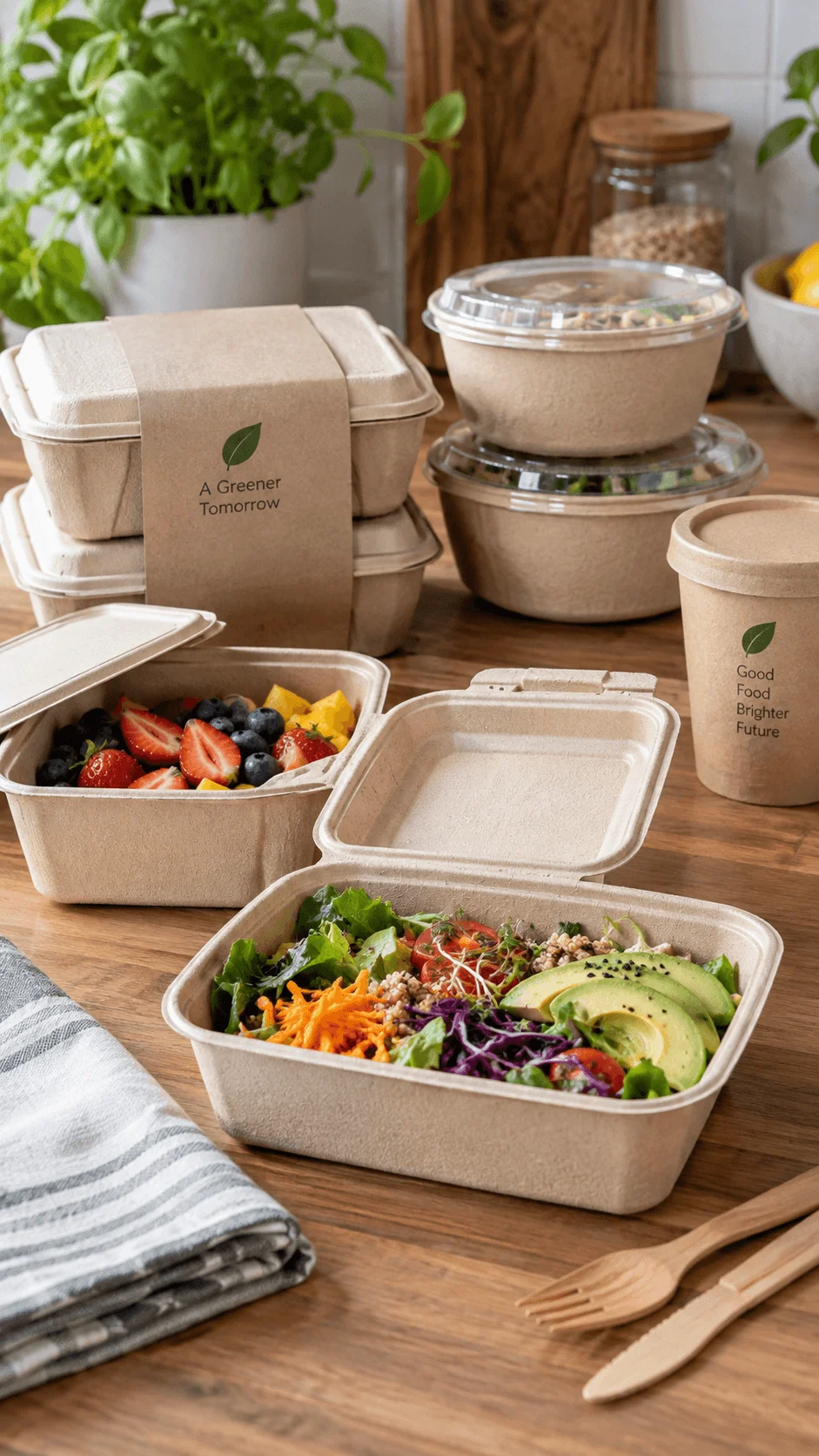
For repeated household storage, durable reusable containers often make more practical sense. Compostable materials may become more useful in situations where reuse cannot realistically happen.
This developing field deserves attention, but consumers should look beyond green sounding labels and understand how a material actually reaches its intended end of life.
How to Replace Plastic Food Storage Without Creating More Waste
Building a more sustainable kitchen does not require placing every existing plastic container in the trash.
If a container remains suitable for its intended purpose, continuing to use it responsibly may make more sense than immediately purchasing a replacement. Households can gradually replace items when they become damaged, warped, cracked, heavily worn, or otherwise unsuitable.
Priorities can reflect real habits.
Someone who carries lunch every day may benefit most from stainless steel. A household that batch cooks may get more value from freezer suitable glass and portion storage. Someone who frequently covers half eaten ingredients may use reusable wraps or stretch lids more often.
This gradual approach prevents sustainability from turning into another reason to overconsume.
What Makes Eco Friendly Alternatives to Tupperware Truly Sustainable?
No single material automatically wins every environmental comparison.
Glass requires raw materials and energy to manufacture and weighs more during transportation, but durable containers can provide years of repeated use. Stainless steel also requires substantial manufacturing resources, yet its durability can make it valuable over a long lifespan. Silicone offers flexibility and repeated use, although end of life options may be limited in many locations.
Even cleaning affects the overall picture because reusable products require water and energy during their lifetime.
The most practical approach considers the complete product. Think about durability, frequency of use, functionality, manufacturing, maintenance, reuse, and eventual disposal rather than focusing on one environmental claim.
The best eco friendly alternatives to Tupperware are ultimately the products that fit a household well enough to receive frequent use for a long time.
Conclusion
The growing range of eco friendly alternatives to Tupperware gives households more choices than simply swapping plastic boxes for glass ones. Glass can provide convenient home storage, stainless steel can simplify portable meals, insulated jars can support packed hot foods, silicone can create flexible freezer solutions, and reusable covers can make existing kitchenware more useful.
Upcycled jars offer another important lesson. Sustainable food storage does not always start with shopping. Sometimes the most sensible option involves using something that already exists.
No household needs every alternative discussed here. The better approach starts with everyday habits. Consider what foods you regularly store, what you freeze, whether you carry lunch, how much cabinet space you have, and which containers you can realistically use for years.
Choosing eco friendly alternatives to Tupperware should not become a race to create a perfect plastic free kitchen overnight. Gradual changes can make far more sense. Continue using suitable products responsibly, reduce disposable storage where practical, prevent food waste, reuse what you already have, and choose durable replacements when you genuinely need them. That approach can create a kitchen that is both more sustainable and easier to live with.