Eco Friendly Activities for College Students
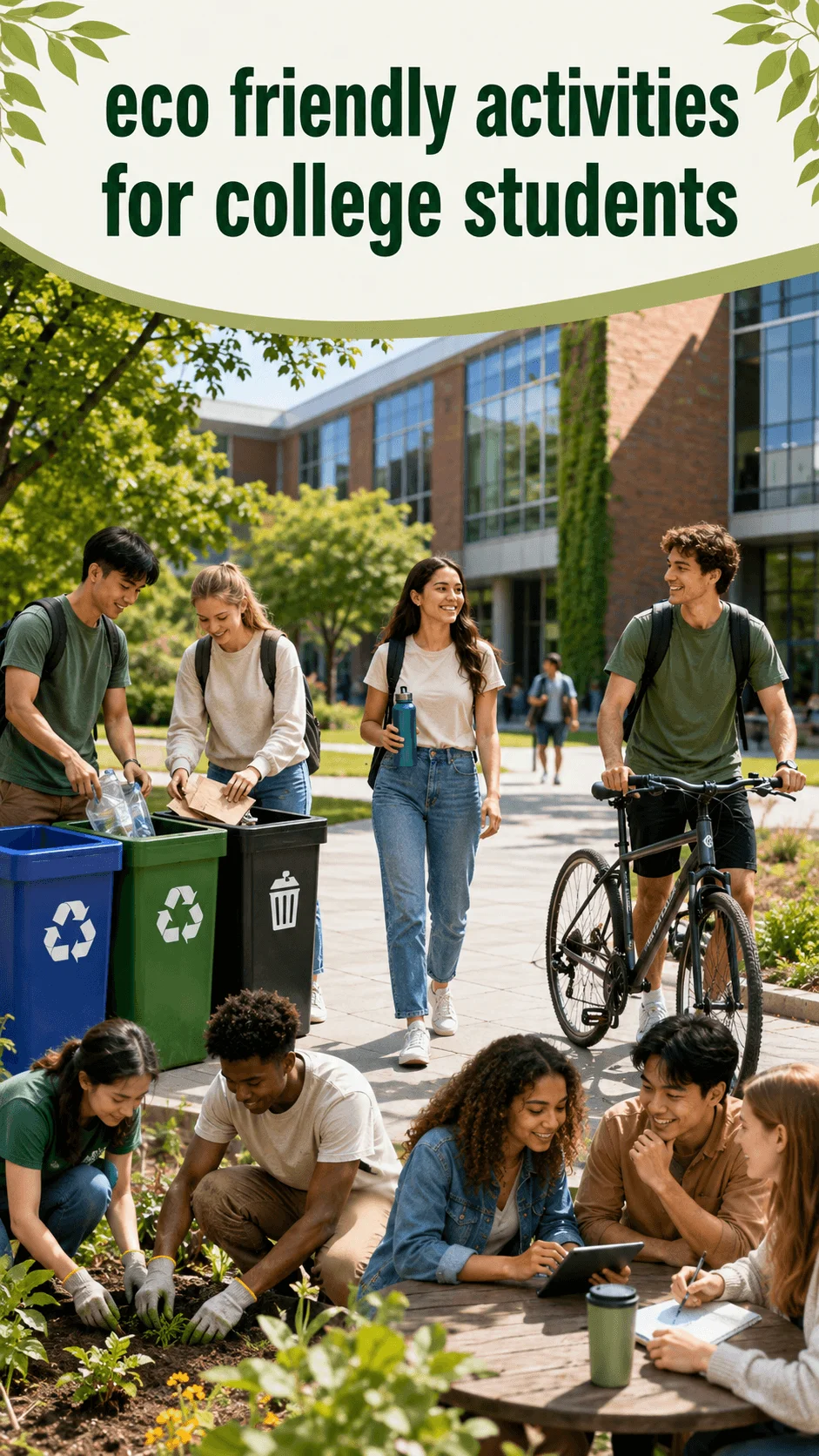
College is more than a place to attend classes and prepare for a career. It is also a place where students develop habits, make decisions, build communities, and influence the people around them. This makes eco friendly activities for college students a valuable way to turn sustainability into something practical and enjoyable. Instead of only learning about environmental problems in classrooms, students can take part in projects that reduce waste, conserve resources, protect nature, and encourage better choices across campus.
In 2026, college sustainability is becoming more interactive. Students can participate in carbon reduction challenges, waste audits, clothing exchanges, biodiversity projects, food waste campaigns, and technology supported sustainability challenges. These activities can also create opportunities for students from different subjects to work together and develop leadership, research, creativity, and organizational skills.
The best sustainability activities do not have to be complicated or expensive. A small group of students can start with one manageable project and gradually involve more people. When an activity is social, measurable, and connected to everyday student life, it can have a much greater impact than a simple awareness campaign.
Why Eco Friendly Activities Matter on College Campuses
College campuses bring together large numbers of people every day. Students attend classes, eat meals, travel between buildings, use electricity, purchase products, and participate in events. All of these activities create opportunities to make more sustainable choices.
Eco friendly activities for college students can help turn these everyday actions into learning experiences. Students can see how much waste a campus produces, understand how transportation affects emissions, discover the wildlife living around their college, and learn how reuse can reduce unnecessary consumption.
These activities also give students a chance to become active participants in sustainability. Instead of waiting for administrators to introduce every environmental improvement, students can identify problems and develop their own solutions.
Another advantage is that sustainability projects can bring students together. An environmental club might work with a dining department on food waste, while biology students could collaborate with volunteers on a biodiversity survey. Design students could create materials for an upcycling challenge, while technology students could develop a simple system for tracking participation.
This collaborative approach makes sustainability part of campus culture rather than treating it as a separate subject.
Sustainable Activities for College Students That Build Real Change
There are many ways to make campus sustainability more engaging. The following ideas focus on activities that students can actually organize and participate in while also creating meaningful environmental benefits.
Campus Carbon Challenge
A campus carbon challenge can turn climate awareness into a practical student activity. Instead of simply telling students that carbon emissions are a problem, the challenge encourages them to identify everyday actions that can reduce unnecessary emissions.
Students can form teams and participate over a week, month, or semester. They might track sustainable transportation, reduced electricity use, lower waste production, or other realistic actions. The goal is not to expect students to completely change their lifestyles. Instead, it is to help them understand how everyday decisions contribute to environmental impact.
Transportation can become an important part of the challenge. Students who normally travel short distances by car might choose walking, cycling, public transportation, or carpooling when practical. Students living in residence halls could focus on reducing unnecessary electricity use.
The challenge can become more interesting when students work together. An environmental club could create different teams and maintain a progress board showing participation. The college could recognize students who demonstrate consistent involvement.
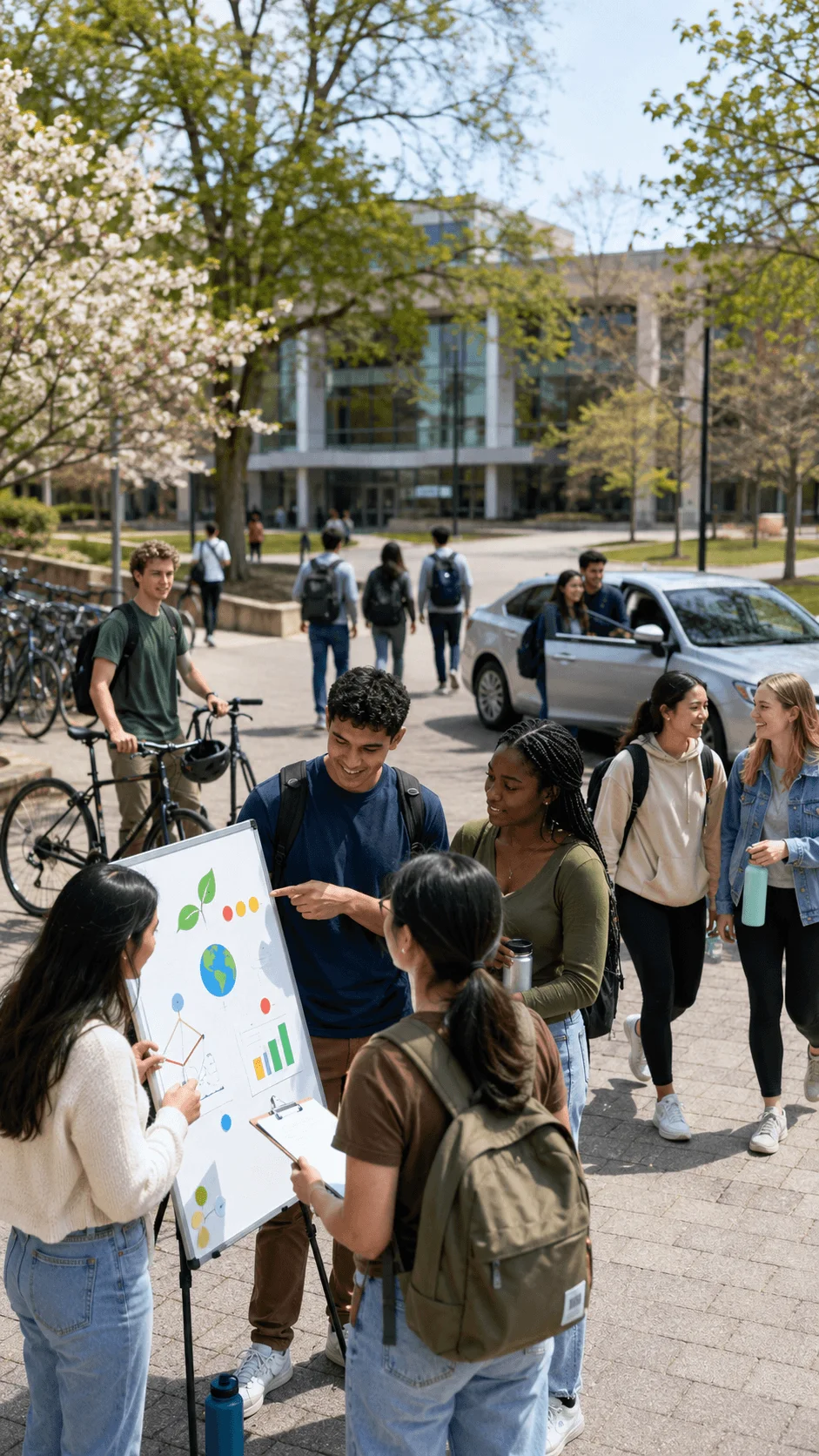
A carbon challenge also provides an educational opportunity. Students can discuss why certain activities produce more emissions and consider which changes are realistic for their campus. This makes climate action feel less abstract and more connected to everyday life.
The challenge does not need an elaborate system. Students can create simple participation rules and encourage teams to share their progress. A campus sustainability organization could also organize discussions during the challenge so students understand the environmental reasons behind the actions they are taking.
The most important feature is consistency. A short challenge can introduce students to sustainable habits, while a longer program can encourage those habits to continue after the competition ends.
Zero Waste Campus Challenge
A zero waste challenge can help students examine how much unnecessary waste they create during everyday college life. The activity can focus on disposable packaging, single use products, food waste, unnecessary purchases, and waste created during campus events.
Students could participate individually or as groups. Instead of expecting everyone to eliminate all waste, organizers can encourage realistic improvements. A student might bring a reusable container, avoid unnecessary disposable items, choose products with less packaging, or become more careful about food portions.
The activity becomes more powerful when students understand why waste reduction matters. A disposable product may only be used for a short period, but the resources used to produce, transport, and dispose of it can have a much longer environmental impact.
College events also provide an excellent opportunity for a zero waste challenge. Student organizations often organize meetings, festivals, sports events, and social gatherings that generate considerable amounts of disposable material. Organizers can rethink how food, drinks, decorations, and event materials are provided.
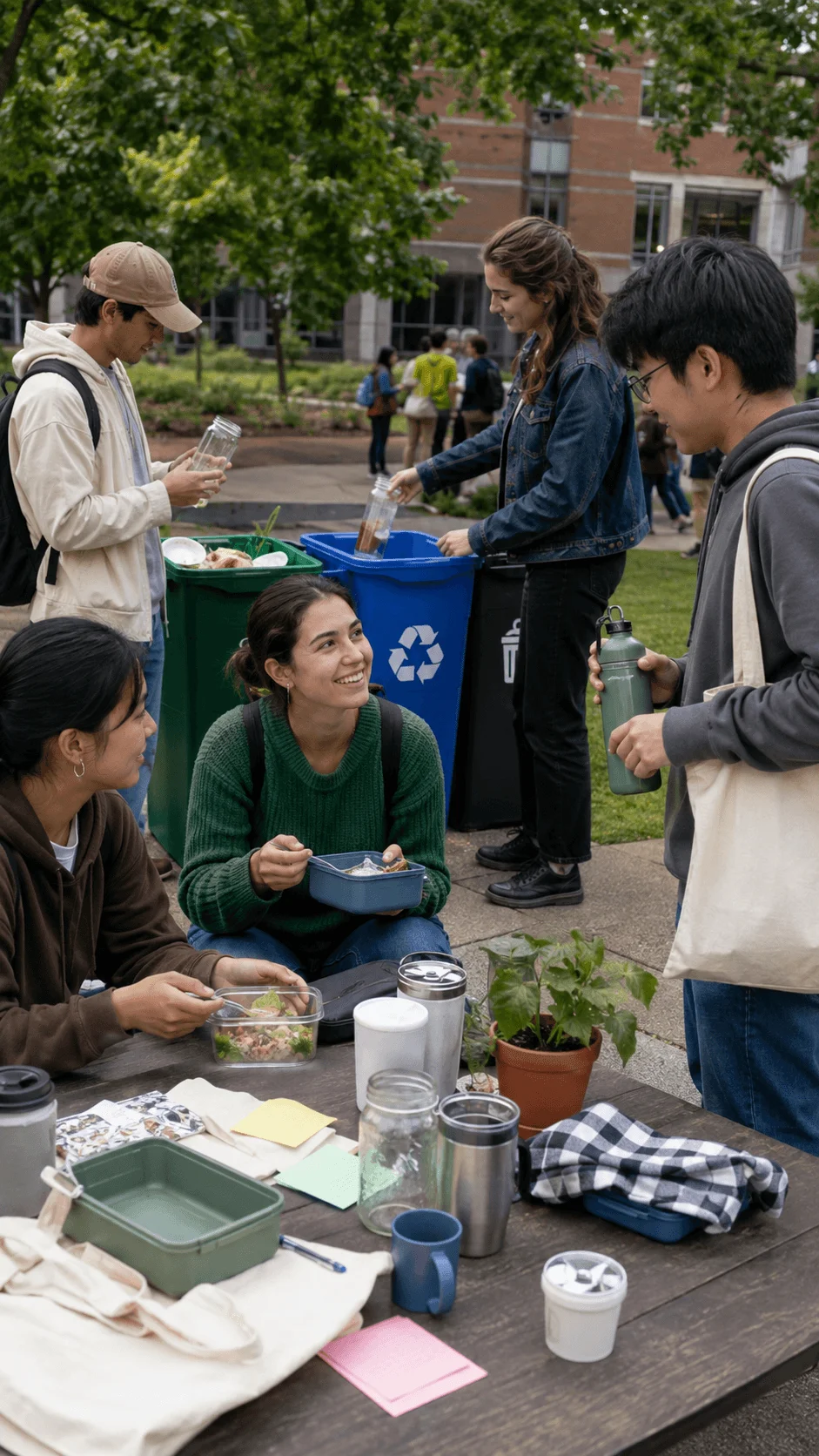
Students can make the challenge social by encouraging residence halls, departments, clubs, or classes to participate together. Each group can discuss the waste problems they notice and develop its own solutions.
The purpose should not be to make students feel guilty. The activity should help them recognize waste patterns and discover practical alternatives. When students see that small changes can prevent unnecessary waste, they may become more willing to continue those habits.
Campus Waste Audit
A campus waste audit is one of the most educational environmental activities students can undertake because it allows them to investigate a real problem rather than simply discussing it.
Students can work with campus staff to examine waste generated in areas such as dining facilities, classrooms, residence halls, offices, and student events. They can observe what types of materials commonly end up in waste containers and look for patterns.
For example, students might discover that a particular campus event produces large amounts of disposable food packaging. They could then recommend reusable serving materials or better waste sorting systems for future events.
A waste audit can also reveal problems with recycling. If recyclable materials frequently end up in general waste, students can investigate whether the issue comes from confusing signs, poorly placed collection containers, or a lack of awareness.
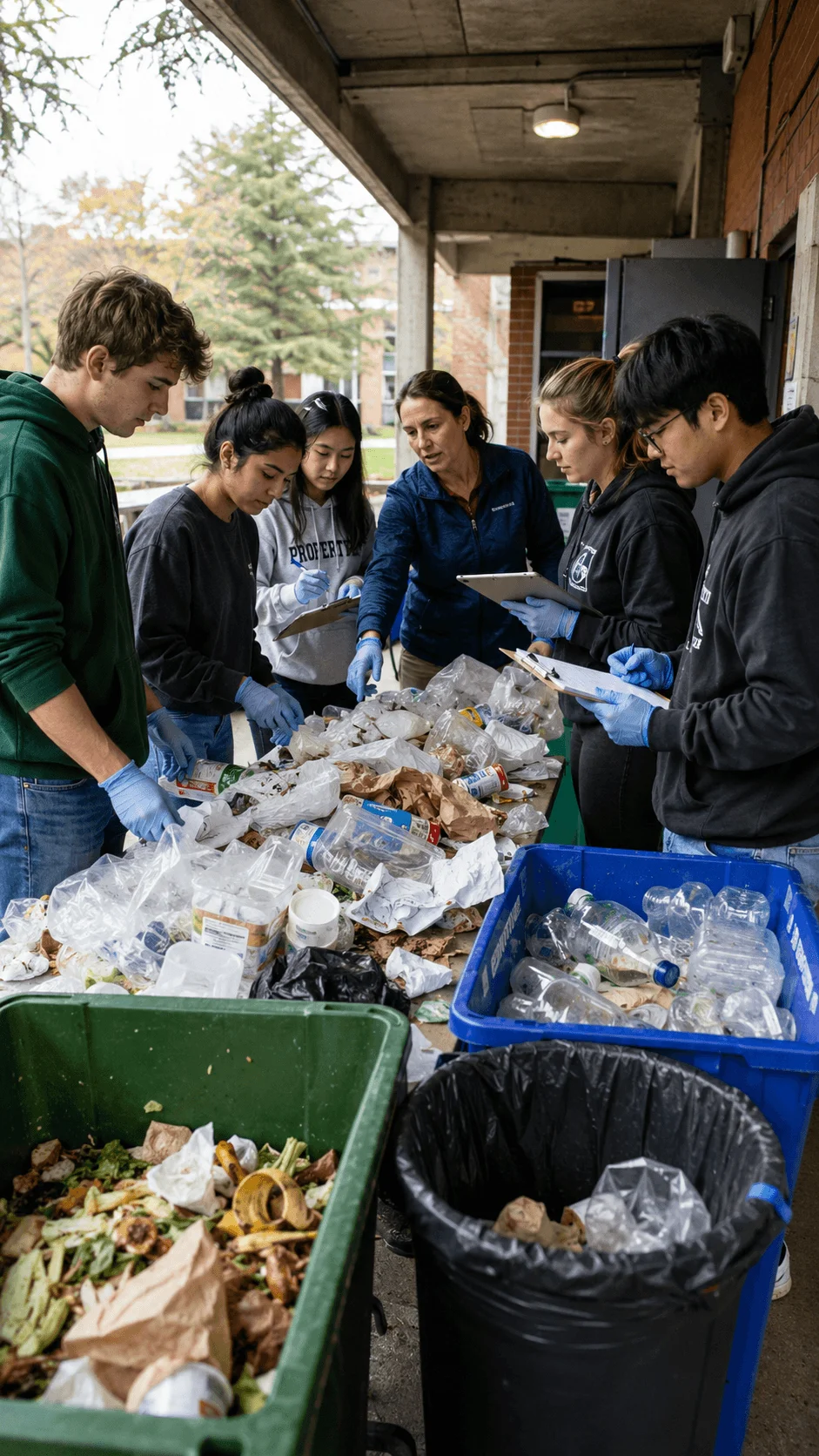
The most important part of a waste audit comes after students collect their observations. They can present their findings to campus administrators and student organizations and suggest realistic improvements.
This makes the project more than an environmental exercise. Students practice research, communication, teamwork, and problem solving while helping their college understand its waste patterns.
The project can also become an annual activity. If students repeat the audit regularly, they can compare results and determine whether new waste reduction measures are working.
Clothing Swap and Repair Event
Clothing swaps are a practical way for students to combine sustainability with social interaction. College students often have clothing they no longer wear, while other students may be interested in those same items.
A clothing swap allows students to exchange usable clothing instead of immediately purchasing something new. This extends the useful life of garments and reduces the demand for new products.
Adding a repair element can make the event even more useful. Students can learn simple ways to repair buttons, small tears, loose seams, or other minor problems. Someone who would normally throw away a garment because of a small issue may discover that repairing it takes only a few minutes.
A clothing swap can also introduce students to the concept of a circular economy. Instead of treating products as disposable items, students begin thinking about how they can be reused, repaired, exchanged, or transformed.
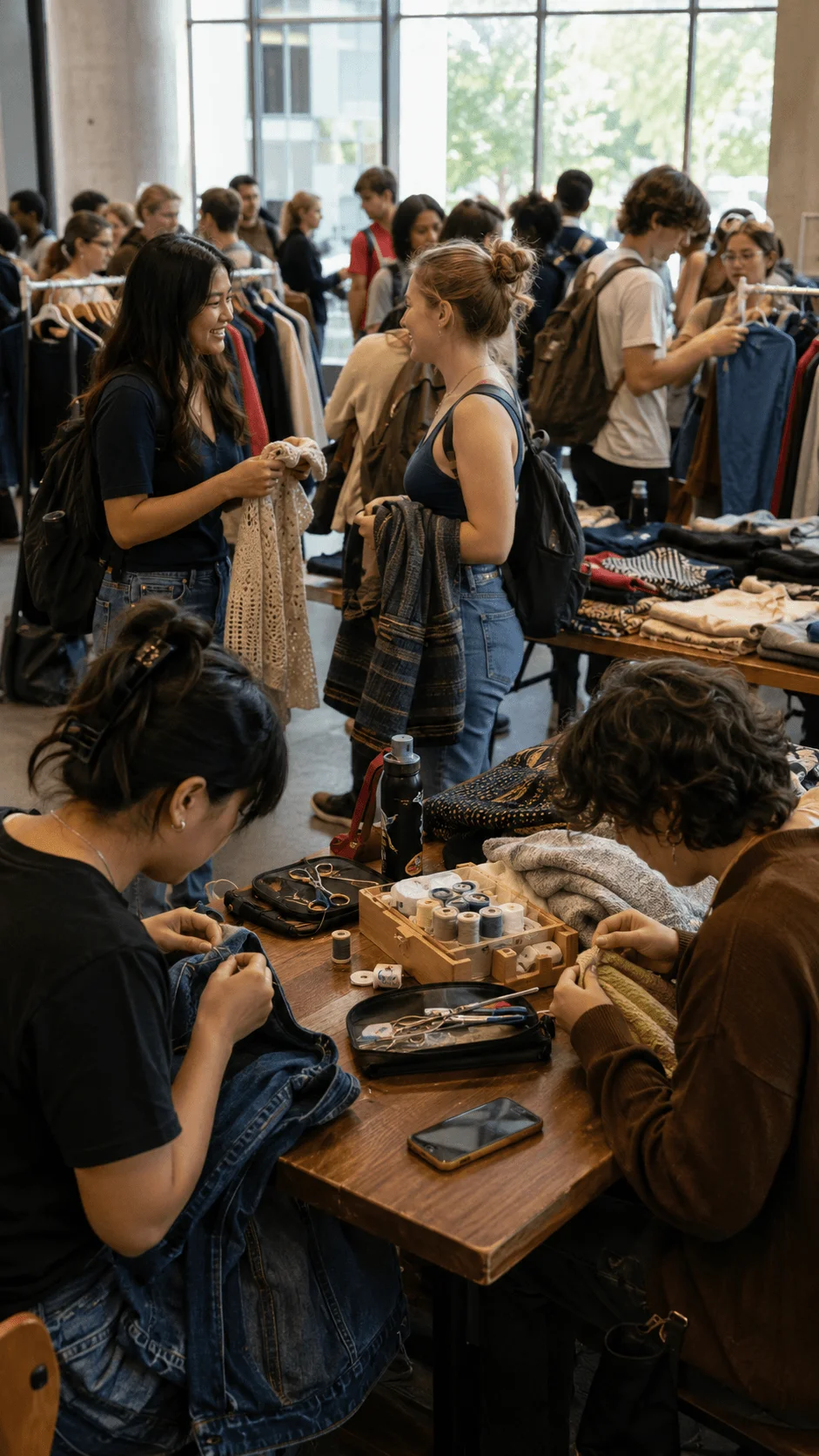
Student organizations can make the event more attractive by combining the clothing exchange with music, refreshments, creative displays, or sustainability discussions. The event then becomes a social campus experience rather than a formal environmental campaign.
Colleges can also dedicate a regular space for clothing exchanges. A temporary event can help students discover the idea, while recurring exchanges can make reuse a normal part of campus life.
Campus Reuse Marketplace
A campus reuse marketplace can expand the idea of clothing exchanges to many other products. College students often have useful items that they no longer need, particularly when they move between accommodation, change courses, or graduate.
Students can exchange textbooks, furniture, storage containers, stationery, kitchen items, decorations, and other reusable possessions. One student’s unwanted item can become another student’s useful resource.
This approach can also provide a financial benefit. Students can reduce the need to purchase new products while finding affordable items from people within their campus community.
A reuse marketplace can operate as an occasional campus event or as a continuing digital system. A student organization could create a simple platform where students post items they want to give away or exchange.
The activity encourages students to ask an important question before purchasing something new: Can I reuse something that already exists?
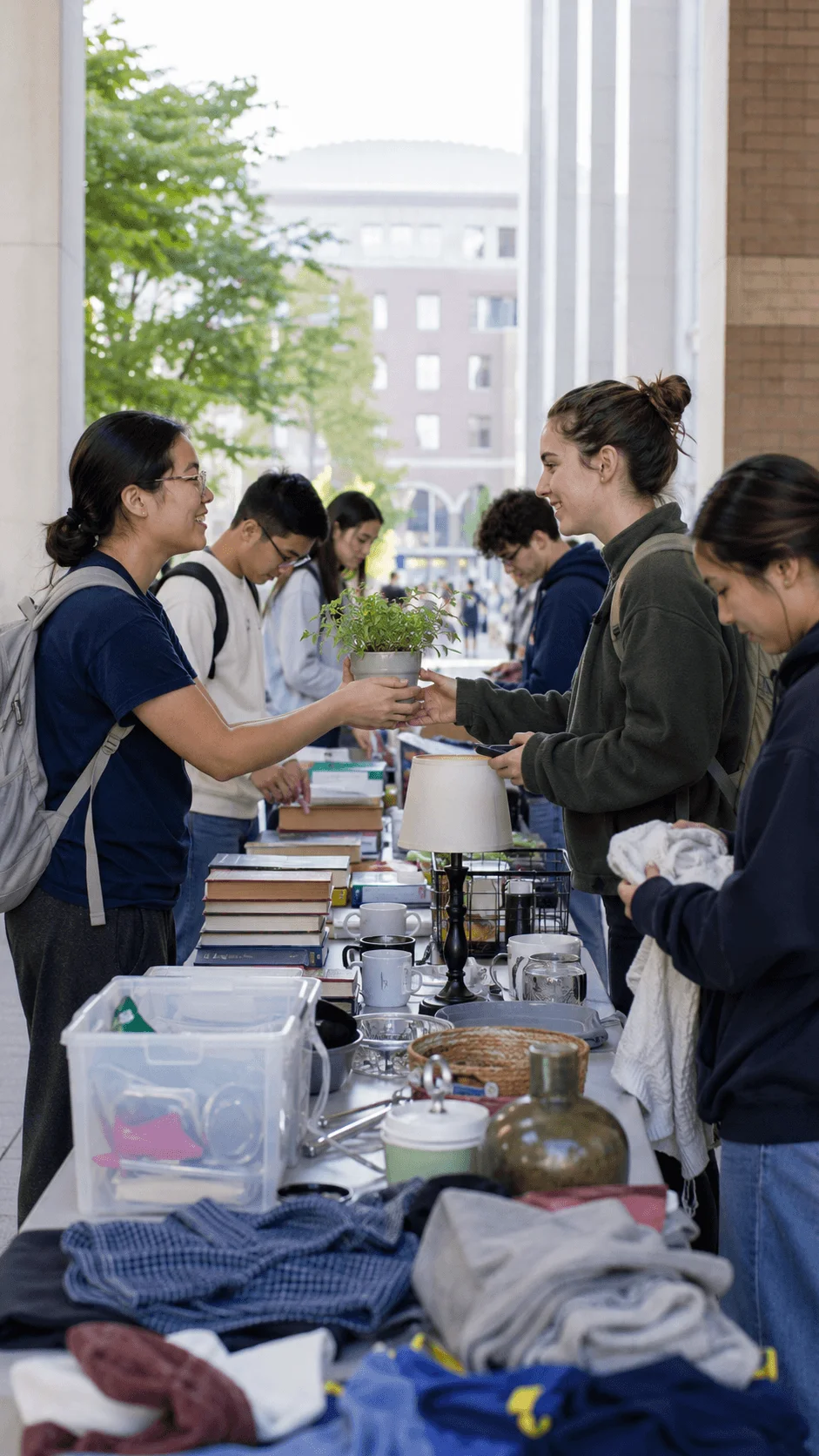
That simple change in thinking can reduce unnecessary consumption. It also keeps usable products in circulation for longer.
For colleges, a reuse marketplace can become especially valuable at the end of an academic year. Students leaving campus often have items they cannot take with them. Instead of sending everything to waste, a campus reuse system can help those products reach other students.
Low Carbon Transportation Week
Transportation is another area where students can make practical sustainability changes. A low carbon transportation week can encourage students to consider how they travel around campus and to nearby locations.
The activity can highlight walking, cycling, public transportation, and carpooling. Students who already use these options can encourage their friends to participate, while those who normally drive can explore alternatives when circumstances allow.
A transportation challenge can also help students discover options they may not have considered before. A student might realize that a nearby destination is easier to reach by bicycle or that several classmates travel along similar routes.
Students can organize walking groups or cycling activities during the challenge. These events can make transportation itself a social experience.
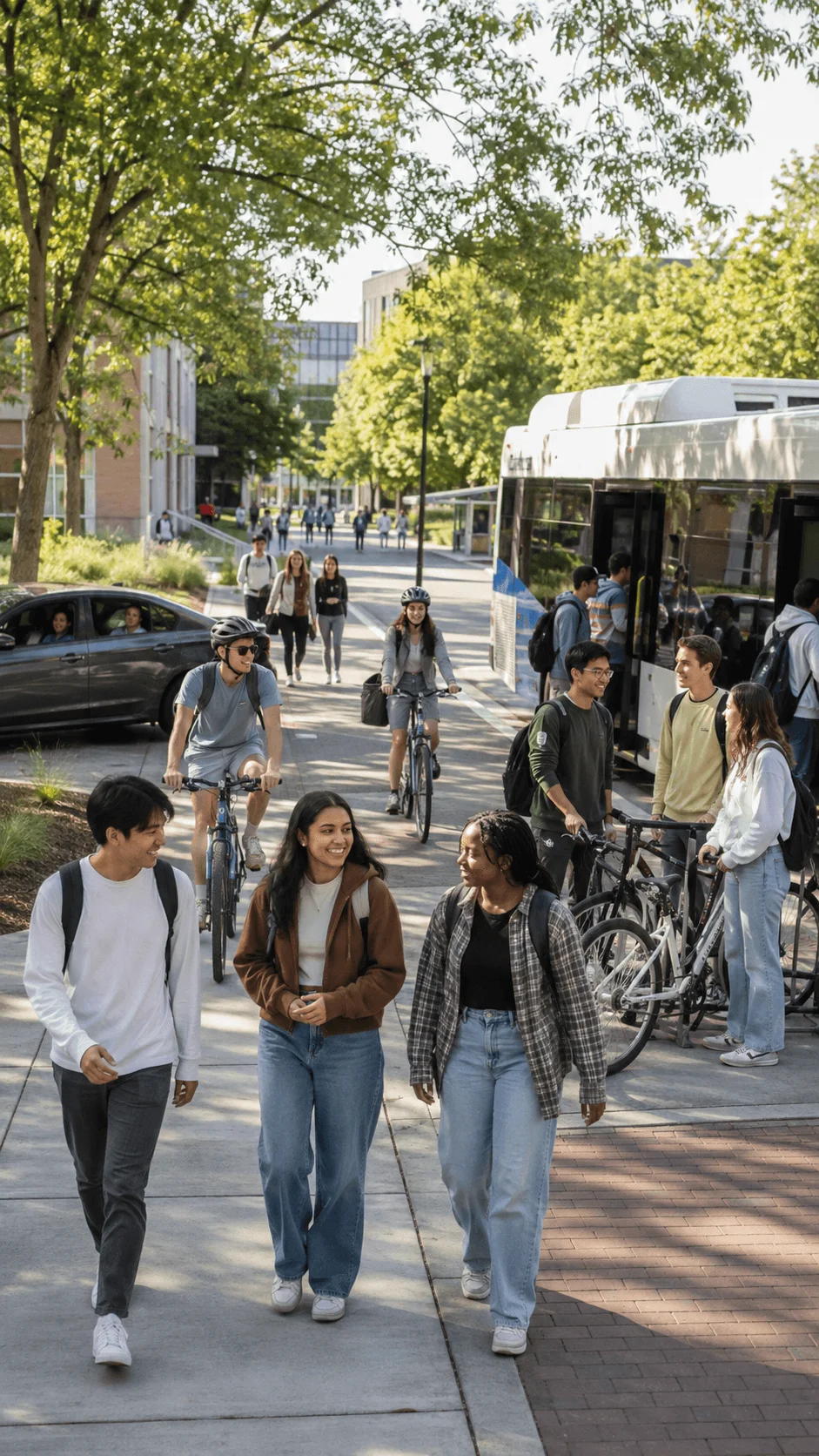
Colleges can support the campaign by providing information about cycling routes, public transportation, pedestrian paths, and available facilities. Even simple improvements in communication can make sustainable transportation choices easier for students to understand.
The goal should be to encourage practical choices rather than criticize students who have limited transportation options. Some students live far from campus or have mobility requirements that make certain options unsuitable. A successful campaign recognizes these differences and focuses on achievable changes.
Native Pollinator Garden Project
A native pollinator garden can transform an unused or underused area of campus into a living sustainability project. Students can help select appropriate native plants, prepare the area, maintain the garden, and observe the insects and other wildlife that use it.
Pollinators such as bees and butterflies depend on suitable habitats and food sources. A thoughtfully designed garden can provide valuable habitat while also giving students a place to learn about local ecosystems.
The project can involve students from many different subjects. Biology students can study insects and plants. Environmental science students can examine ecological relationships. Art students can create signs or educational displays, while design students can help plan the garden layout.
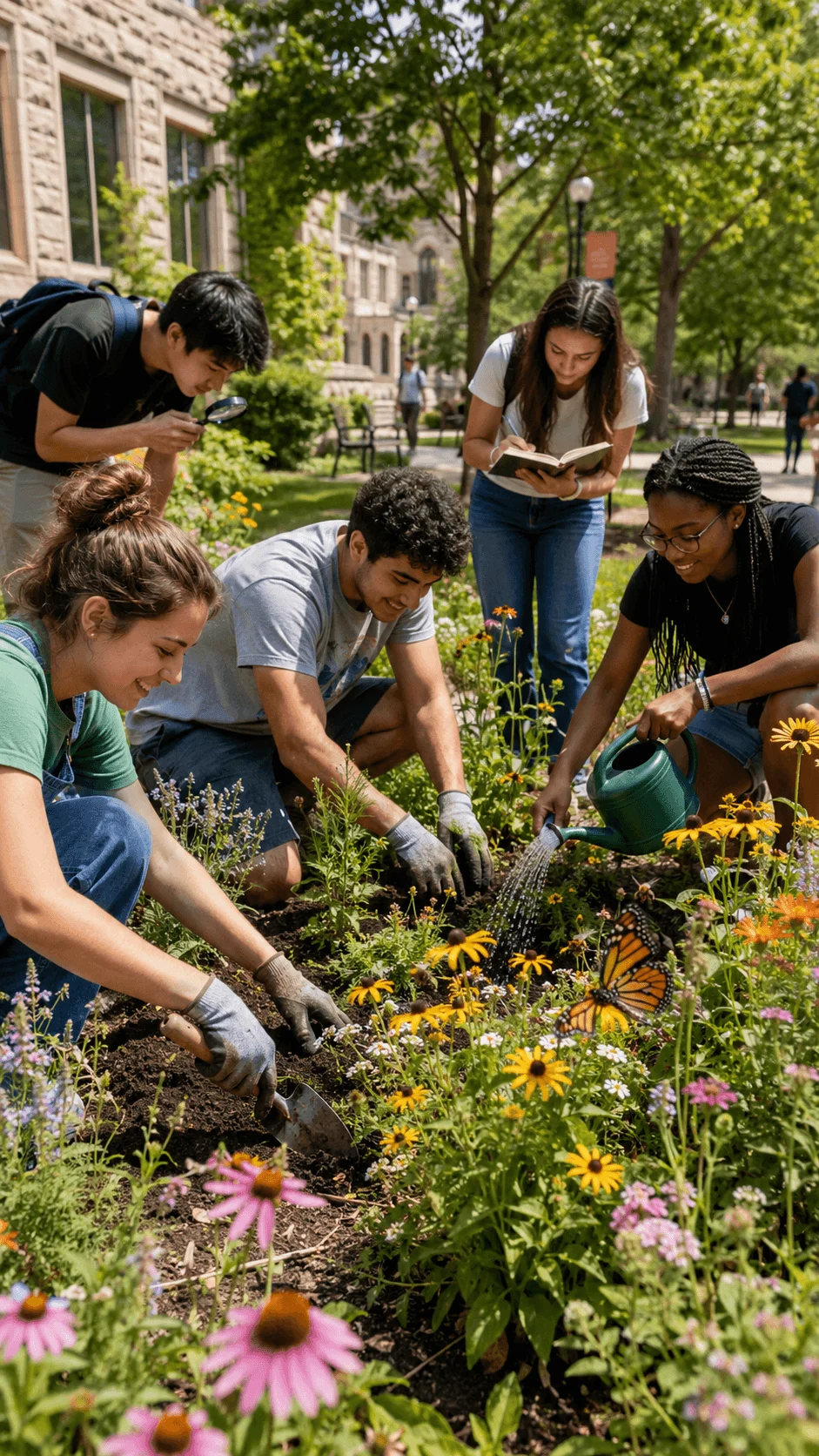
A pollinator garden does not need to remain purely decorative. Students can use it as an outdoor classroom where they observe seasonal changes and learn about native biodiversity.
The garden can also become a long term project for an environmental club. New students can take over maintenance each year, allowing the project to continue even after the original organizers graduate.
This makes it one of the more valuable eco friendly campus activities because it can create an environmental resource that remains useful for years.
Campus Biodiversity Survey
A biodiversity survey gives students an opportunity to explore the living environment around their college. Instead of focusing only on buildings and infrastructure, students can investigate the plants, birds, insects, and other wildlife that share the campus.
Students can walk through different areas of the campus and record what they observe. They can photograph species, identify plants and animals with appropriate resources, and create a simple record of their findings.
Repeated surveys can make the activity even more valuable. Students can compare observations from different seasons and different parts of the campus.
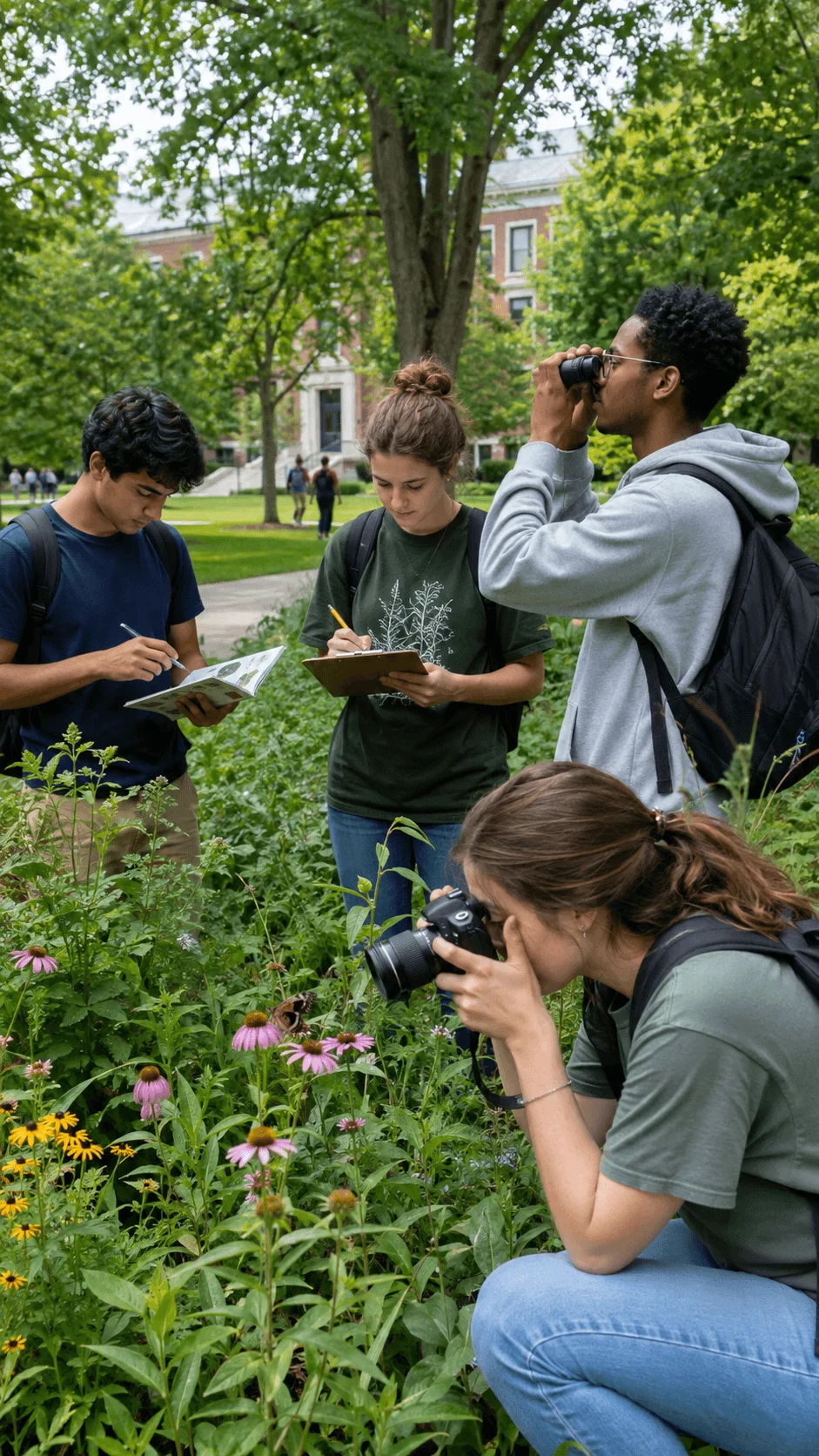
The information collected by students can become a campus biodiversity map or digital record. Over time, this can help students understand which areas provide important habitat.
The project can also encourage colleges to think more carefully about landscaping. If students identify areas that support significant biodiversity, campus planners may have useful information when considering future changes.
A biodiversity survey also gives students an opportunity to combine environmental education with photography, research, observation, and teamwork.
Food Waste Tracking Challenge
Food waste is an important sustainability issue on college campuses because dining halls, cafeterias, residence halls, and student events can generate large amounts of unwanted food. A food waste tracking challenge gives students a practical way to understand where waste comes from and what they can do about it.
Instead of simply telling students to waste less food, this activity asks them to observe and measure their habits. Students can work with campus dining services to examine how much food remains after meals or which types of food students frequently leave behind. They can also study waste created during student events and meetings.
The information collected can reveal useful patterns. Students may discover that oversized portions, poor meal planning, unwanted ingredients, or excessive purchasing contribute to unnecessary waste. Once students understand these patterns, they can begin developing realistic solutions.
For example, a student organization could encourage students to take smaller portions initially and return for more food if they are still hungry. Dining services could also examine which foods students frequently leave untouched and consider whether preparation quantities need adjustment.
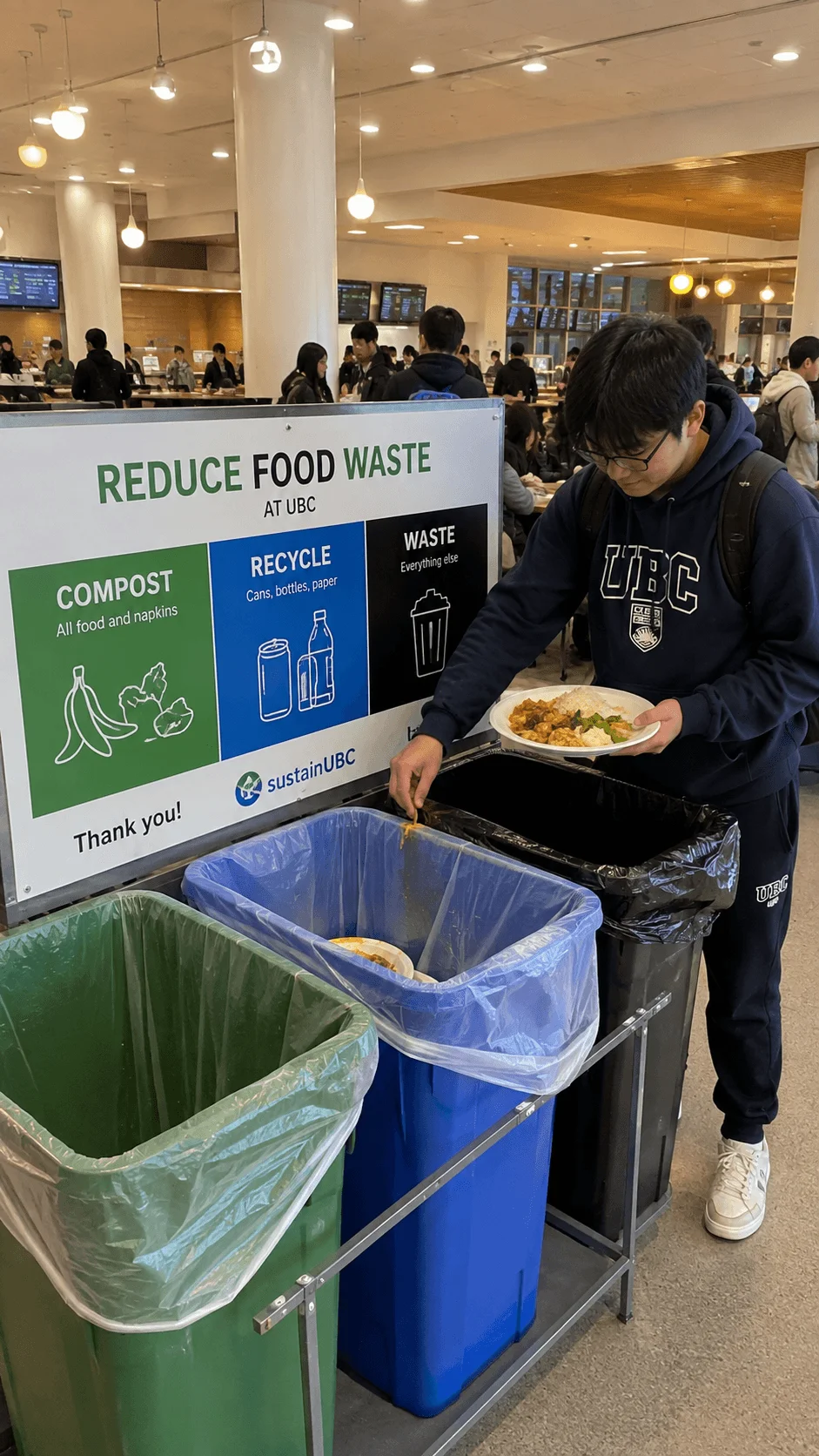
Food waste activities become more effective when students connect them to everyday decisions. Students living away from home may purchase more food than they can consume because they have not yet developed regular shopping and meal planning habits.
A campus campaign can teach students how to plan meals, store food properly, use leftovers, and purchase appropriate quantities. These skills can reduce waste while also helping students manage their food budgets.
Student organizations can turn the activity into a campus challenge where participants record their progress and share practical ideas. Rather than focusing on guilt, the campaign should focus on learning and improvement.
The activity can also include educational displays near dining areas that explain how food waste affects resources. Producing food requires land, water, energy, transportation, and human labor. When students throw away edible food, those resources have been used without providing their full value.
Sustainable Cooking Workshop
A sustainable cooking workshop can make environmental responsibility useful in everyday student life. Many college students begin preparing their own meals when they move away from home, making college an ideal time to develop practical food habits.
The workshop can teach students how to prepare affordable meals while using ingredients efficiently. Students can learn how to plan meals before shopping, store ingredients correctly, use leftovers creatively, and avoid purchasing more food than they need.
The activity can also introduce students to the relationship between food choices and sustainability. Instead of presenting complicated environmental information, organizers can show students simple ways to make their everyday cooking more resource efficient.
The workshop can become more engaging when students cook together rather than simply listening to a presentation. A sustainability club could work with students who enjoy cooking to demonstrate simple meals that require affordable and easily available ingredients.

Another workshop could focus specifically on reducing food waste. Students could learn how to use leftover ingredients in new meals rather than throwing them away.
The social aspect matters as well. Cooking together can help students meet others, exchange recipes, and develop useful skills. Sustainability then becomes connected to something students already need to do rather than feeling like an additional responsibility.
Colleges can also invite students from different academic backgrounds to participate. Nutrition students, environmental science students, hospitality students, and members of sustainability organizations can bring different perspectives to the activity.
Upcycling Innovation Challenge
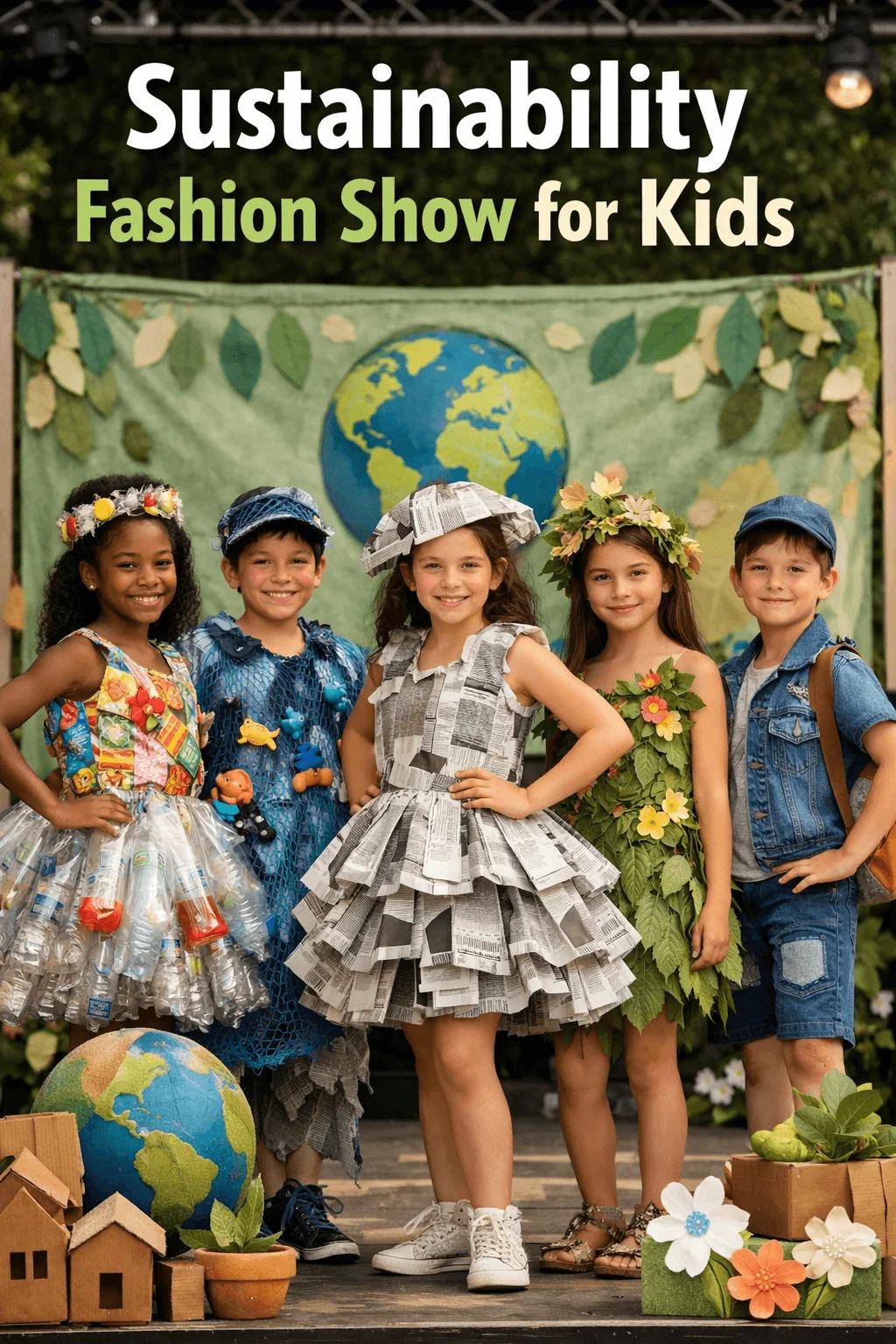
An upcycling innovation challenge combines environmental responsibility with creativity. Students receive unwanted materials and develop new uses for them instead of allowing them to become waste.
The activity can focus on creativity rather than producing a perfect product. Students might transform discarded packaging into useful organizers, create decorations from old materials, or develop practical objects from items that would otherwise have little value.
The challenge becomes particularly interesting when students work in teams. Different students can contribute different skills, including design, engineering, art, business planning, and communication.
Upcycling teaches students to look at discarded materials differently. Instead of immediately considering something useless, they can ask whether its material, shape, or components could serve another purpose.
This way of thinking connects sustainability with innovation. Students are not only reducing waste but also practicing creative problem solving.
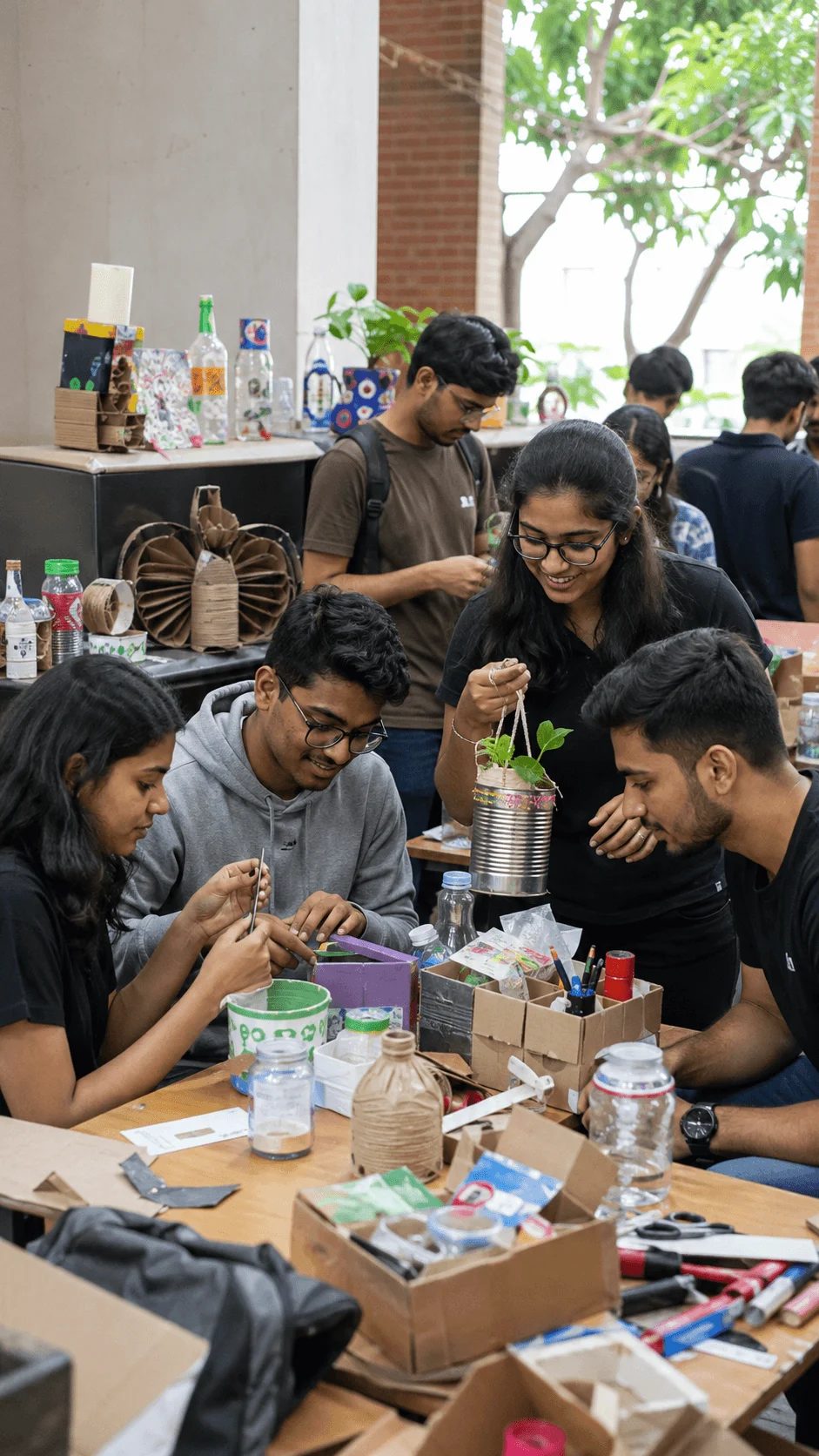
A college can turn the finished projects into a campus exhibition. Students can display their creations and explain what materials they used, why they chose them, and how their designs extend the useful life of discarded products.
The exhibition can also encourage other students to think about reuse in their own lives. Someone who sees an impressive upcycled project may begin looking for new ways to reuse materials at home or in their residence hall.
An upcycling challenge can therefore become one of the most engaging sustainability projects for college students because it combines environmental education with creativity and collaboration.
Gamified Sustainability Challenge
Gamification is becoming an interesting approach to sustainability because it can make environmental participation more interactive. Instead of asking students to attend a traditional awareness session, a gamified sustainability challenge gives them opportunities to participate, track progress, and compete with friends.
Students can earn points for completing sustainable activities. The challenge might include actions related to waste reduction, transportation, energy conservation, reuse, biodiversity, or participation in campus environmental events.
The system does not need to become complicated. A student organization could create a simple digital form where participants record completed activities. A campus sustainability department could then display progress through a digital dashboard.
Friendly competition can encourage students who might not normally join environmental activities. Residence halls could compete against one another, or different student organizations could create teams.
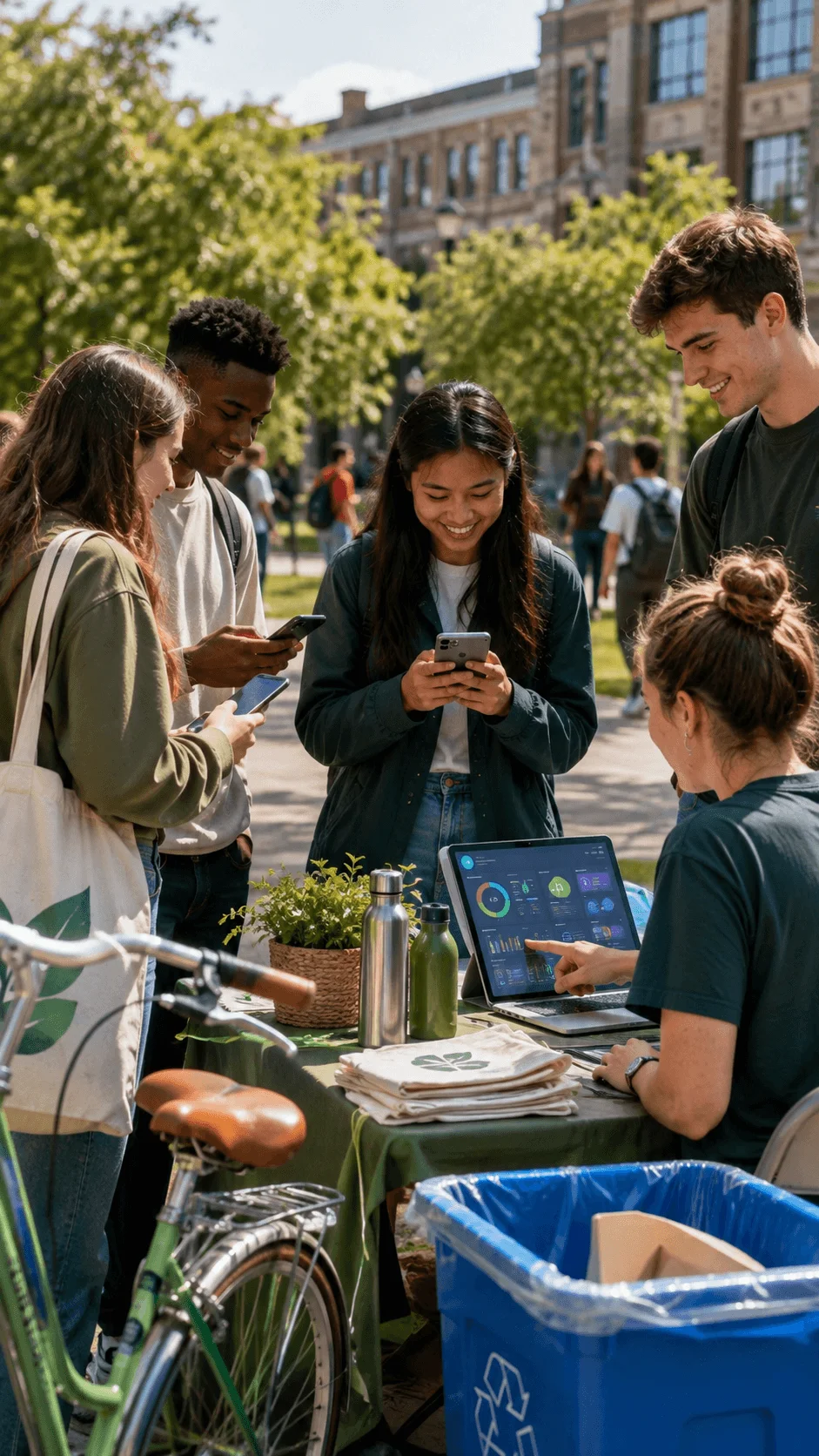
The purpose should remain participation rather than creating pressure. Students should understand that every contribution matters, even when someone cannot complete every challenge.
Recognition can also help maintain interest. Colleges can highlight participating students or teams through campus newsletters, social media pages, sustainability events, or certificates.
Gamification can make sustainability feel like a shared campus experience. When students see their friends participating, they may become curious and decide to join.
Technology can support this process, but it should not become the focus. The most important element remains the environmental action itself.
Why Student Led Sustainability Matters
Student led environmental projects can have an influence that extends beyond individual activities. When students identify problems and create solutions themselves, they develop a stronger understanding of how sustainability works in real situations.
They also develop skills that can benefit them beyond college. Organizing an environmental campaign requires communication, teamwork, planning, research, leadership, and problem solving.
These skills can become valuable in future careers where businesses, governments, nonprofit organizations, and communities increasingly need people who understand sustainability.
More importantly, college can be an important period for developing long term habits. Students who learn to repair products, reduce food waste, reuse materials, choose practical transportation options, and participate in community projects may continue those behaviors after graduation.
Conclusion
The best Eco Friendly Activities for College Students are not limited to traditional recycling campaigns or occasional environmental events. Modern campus sustainability can involve carbon challenges, waste audits, clothing swaps, reuse marketplaces, biodiversity surveys, pollinator gardens, food waste tracking, sustainable cooking, creative upcycling, and gamified challenges.
These activities give students opportunities to turn environmental knowledge into practical action. They can also make sustainability more social, creative, measurable, and relevant to everyday college life.
Students do not need to wait for a perfect opportunity to begin. A small group can identify one problem, develop a realistic idea, involve the right people, and measure the results. Over time, that small project can grow into a regular campus activity.
When students, colleges, and student organizations work together, sustainability becomes more than a topic discussed in classrooms. It becomes part of how the campus operates and how students live, learn, collaborate, and prepare for the future.
The most meaningful Eco Friendly Activities for College Students are ultimately those that encourage people to participate, learn from experience, and continue making better environmental choices long after the activity ends.