Sustainability Projects School Kids Can Do in 2026
Sustainability projects school kids can participate in are becoming an essential part of modern education. As climate change, pollution, biodiversity loss, and resource depletion continue to affect communities worldwide, schools are helping students understand how small everyday actions can create meaningful environmental change. In 2026, sustainability education goes beyond textbooks by encouraging children to solve real-world problems through creative, hands-on activities. These experiences inspire curiosity while teaching students how to protect natural resources and build a healthier future.
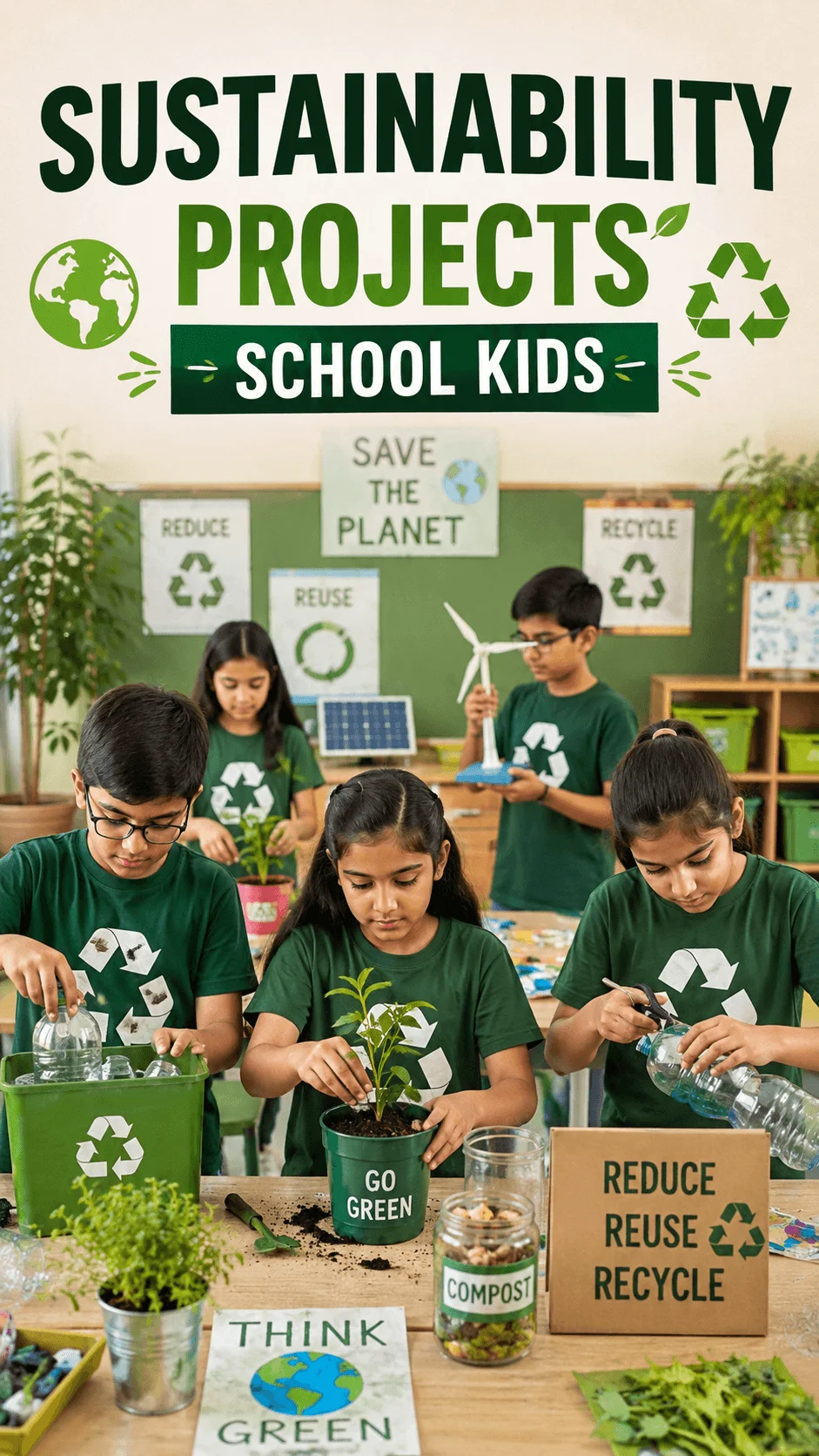
Project-based learning allows students to connect classroom lessons with real-life challenges. Whether they are reducing waste, measuring energy use, planting gardens, or designing recycling campaigns, children gain practical knowledge that stays with them long after the project ends. These activities also strengthen communication, teamwork, leadership, and problem-solving skills that are valuable in every stage of life.
This guide explores some of the best sustainability projects for students, explains why eco friendly school projects matter more than ever, and introduces innovative ideas that schools can easily adapt. By the end, you’ll have practical inspiration for creating engaging learning experiences that support environmental responsibility and encourage lifelong sustainable habits.
Why Eco Friendly School Projects Matter More Than Ever in 2026
Environmental challenges continue to grow, making eco friendly school projects more valuable than ever. Climate change is increasing extreme weather events, while plastic pollution and food waste place additional pressure on ecosystems. Schools are responding by giving students opportunities to explore practical solutions rather than simply discussing environmental problems.
Many classrooms now introduce topics such as renewable energy, waste reduction, biodiversity conservation, green technology, and the circular economy through engaging activities. These projects help students understand how resources can be reused instead of discarded and why responsible consumption benefits both people and nature.
The United Nations Sustainable Development Goals have also encouraged schools worldwide to integrate sustainability into everyday learning. Teachers recognize that environmental education prepares students for future careers while helping them become informed citizens who make thoughtful decisions.
Parents increasingly support these initiatives because they encourage healthy habits at home as well. Children often inspire their families to recycle more, reduce food waste, conserve water, or choose sustainable transportation. As a result, school sustainability initiatives create positive changes that extend far beyond the classroom and into local communities.
School Biodiversity Mapping Project
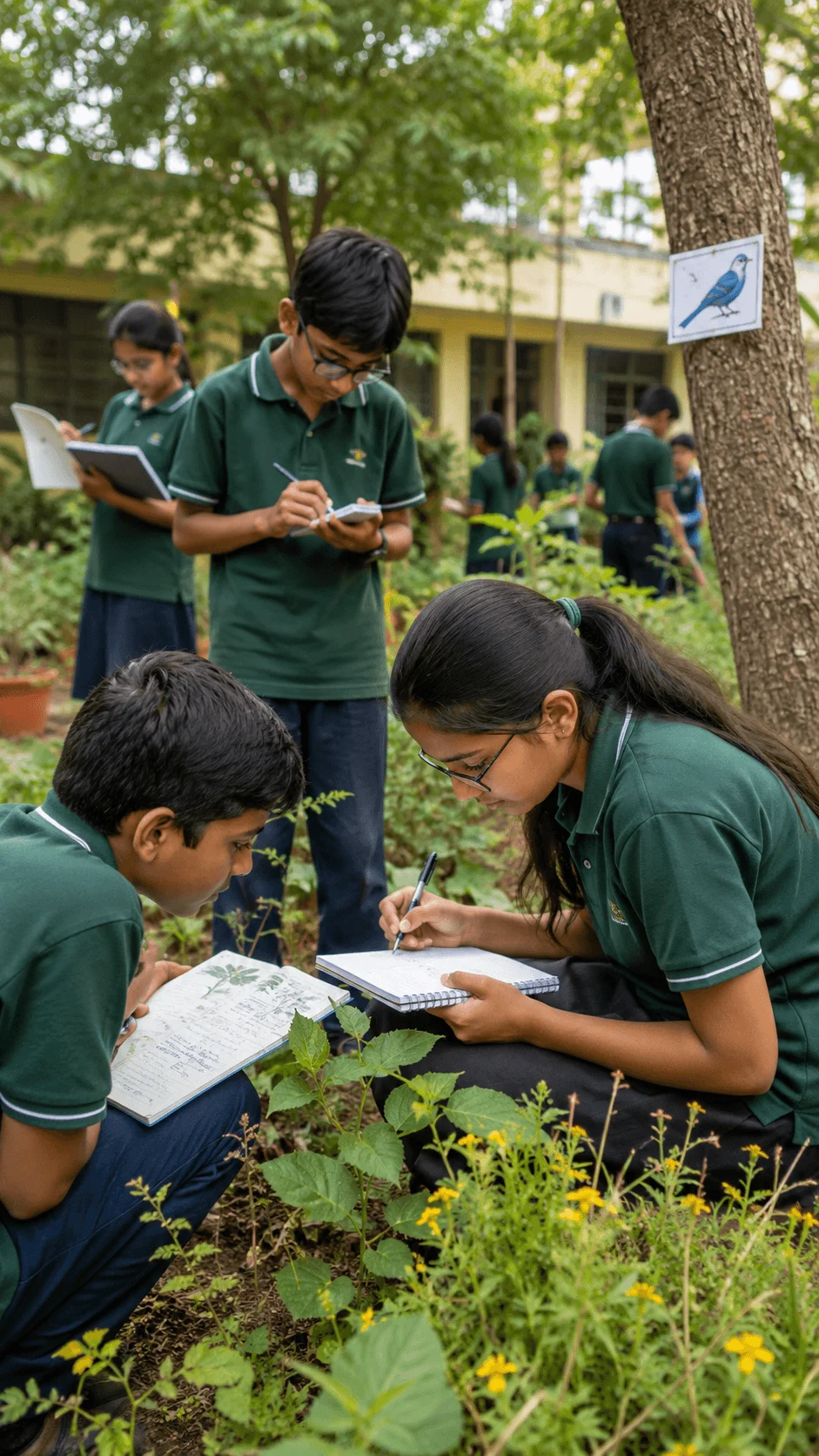
A biodiversity mapping project encourages students to observe the plants, insects, birds, and other wildlife around their school. This activity is growing in popularity because biodiversity conservation has become a global priority in 2026. Students record species, identify habitats, and compare seasonal changes using notebooks or simple mobile apps. Teachers can expand the project into science or geography lessons, while parents can encourage similar observations at local parks. Students develop observation skills and discover how protecting even small green spaces supports healthier ecosystems.
AI Waste Sorting Challenge
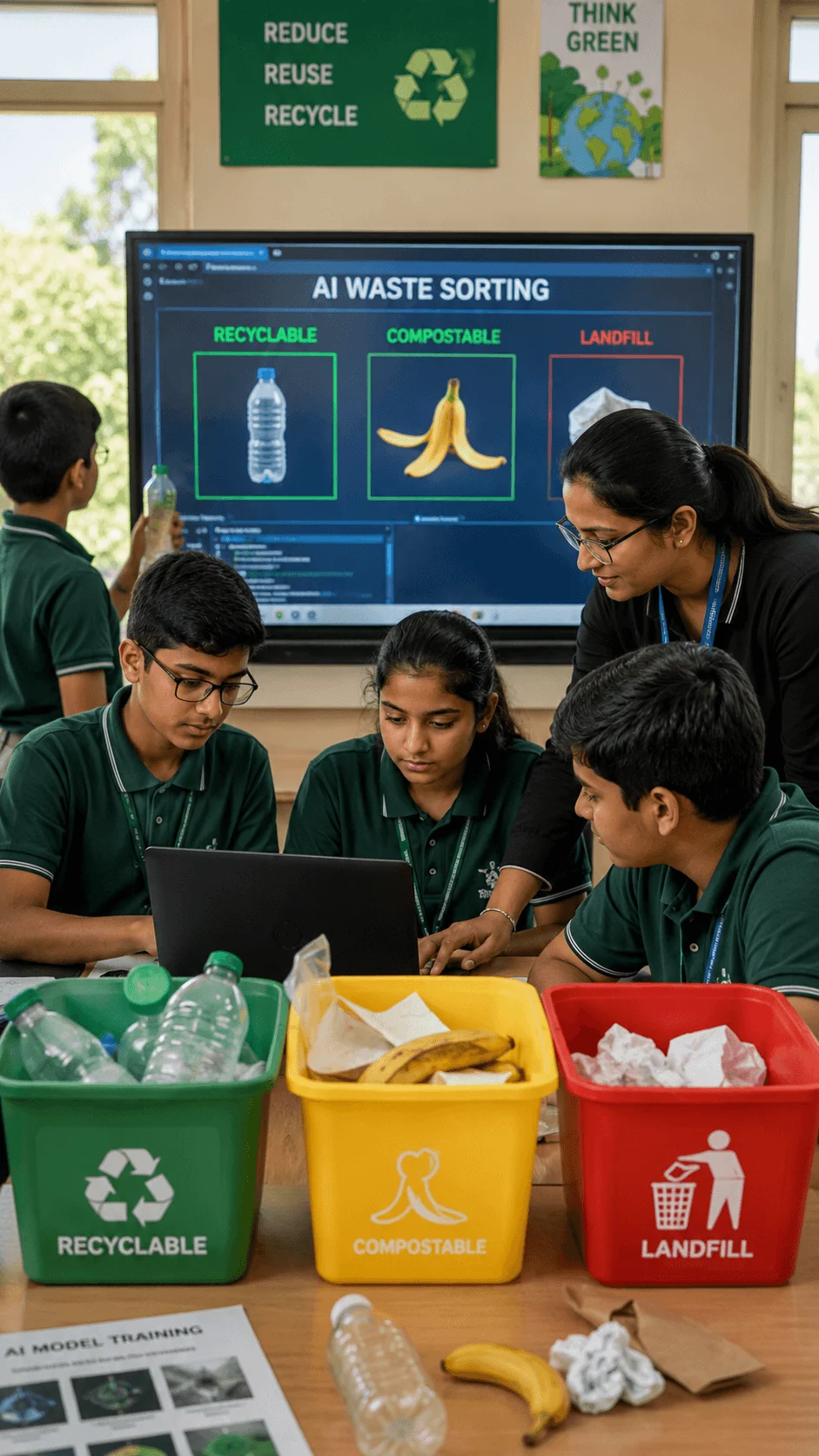
Artificial intelligence is becoming part of everyday life, making this one of the most exciting green school project ideas. Students explore how AI systems recognize recyclable, compostable, and landfill waste by using educational apps or simple image classification tools. Schools choose this project because it combines environmental science with technology. Students learn how innovation can improve recycling while understanding that accurate waste sorting reduces pollution and saves valuable resources.
Carbon Footprint Calculator Project
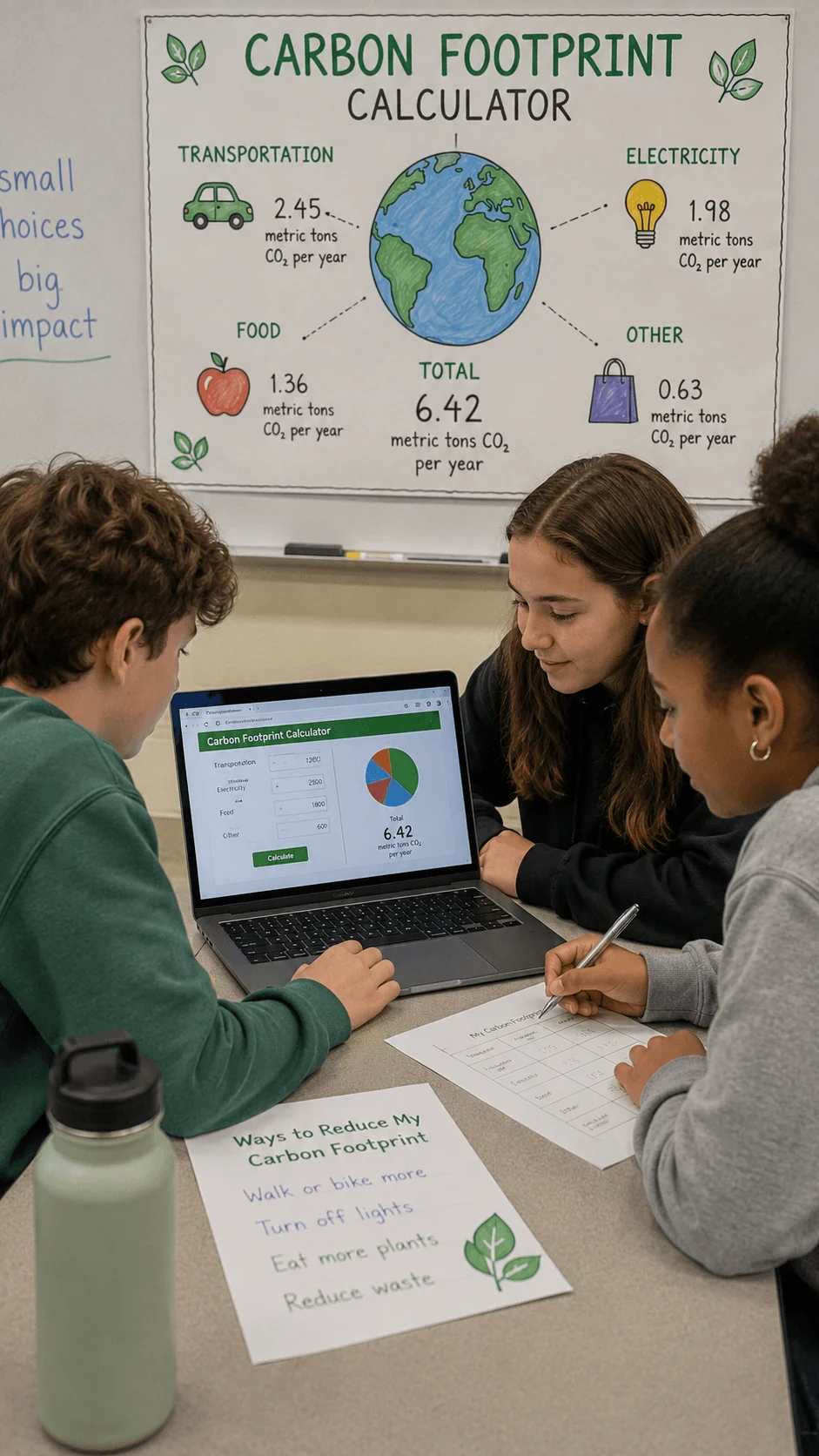
This project helps students estimate the environmental impact of everyday activities such as transportation, electricity use, and food choices. Using online calculators or classroom worksheets, students identify habits that increase carbon emissions and suggest realistic improvements. Teachers often connect the activity with mathematics and science lessons, while families can compare their own household footprints. Students discover that small lifestyle changes, repeated consistently, can contribute to climate action.
E Waste Collection and Recycling Drive
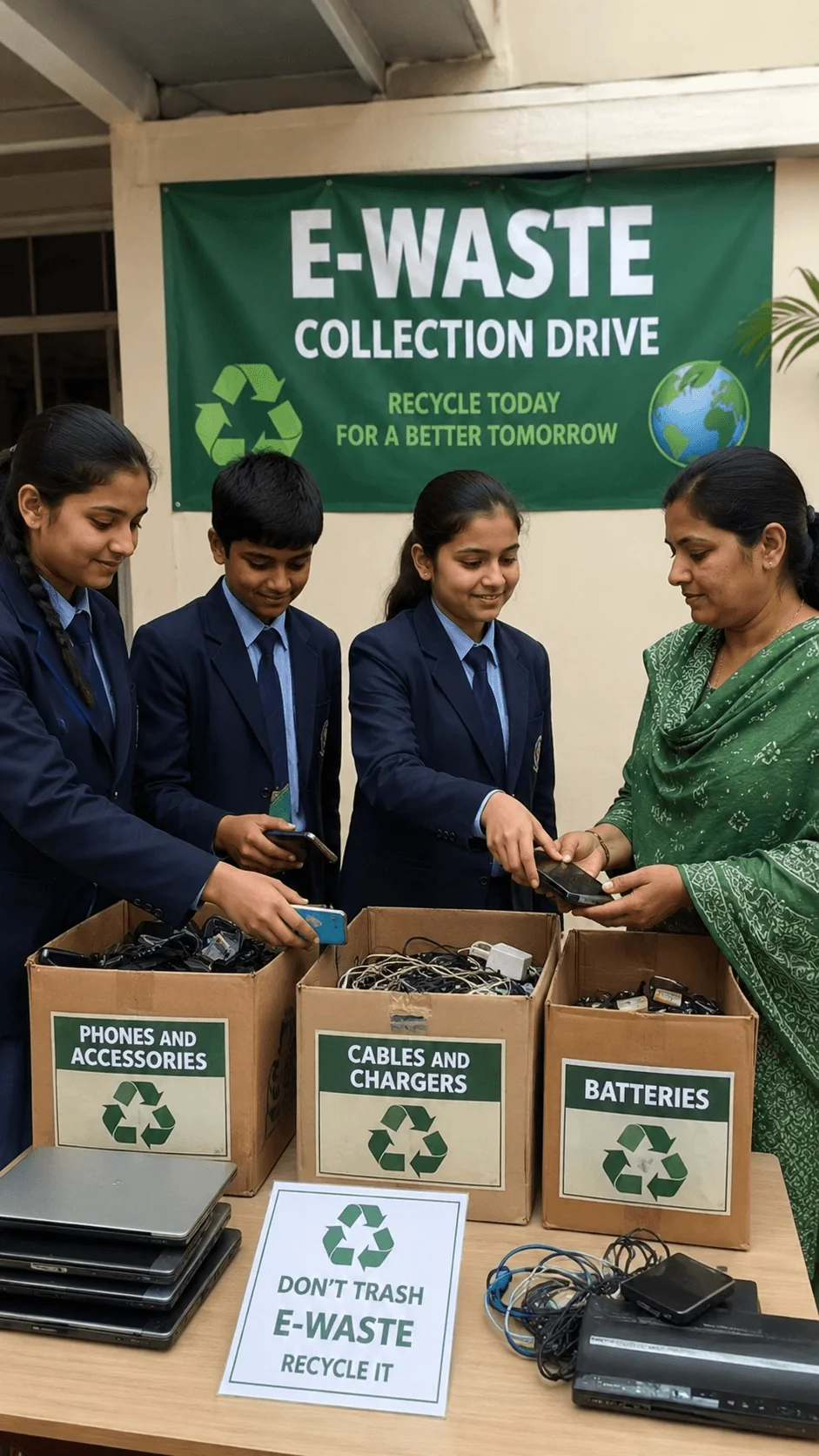
Electronic waste continues to grow each year, making this e waste project for school highly relevant. Students organize a collection campaign for unused phones, cables, batteries, and small electronics before delivering them to certified recycling centers. The activity teaches responsible disposal and highlights the valuable materials hidden inside electronic devices. Parents can support by donating unused gadgets, while teachers discuss how recycling reduces mining and environmental pollution.
Circular Economy Challenge
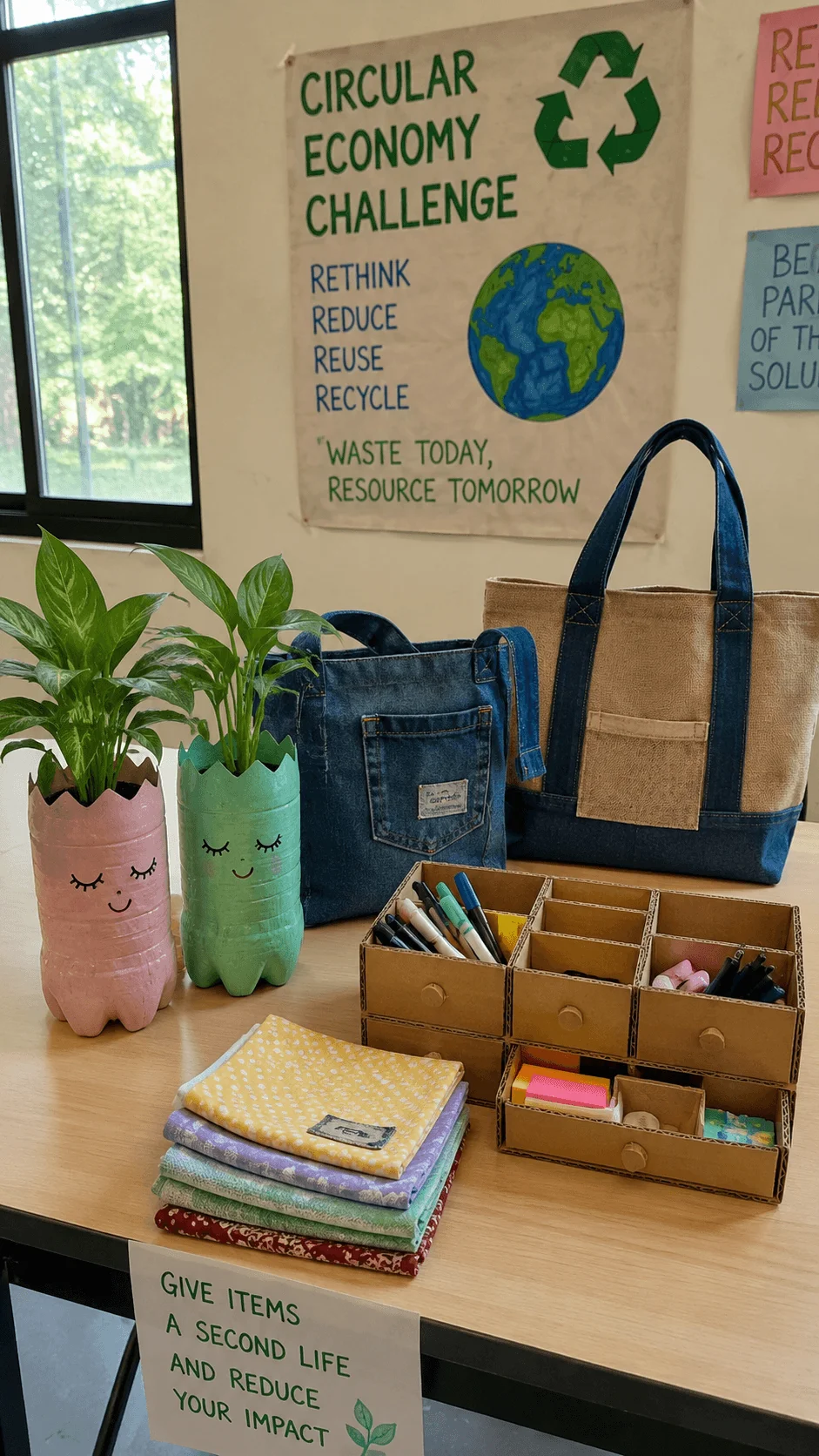
Instead of throwing products away after use, the circular economy encourages repairing, reusing, and recycling. In this project, students redesign common household items to give them a second life. Plastic bottles become planters, old fabric becomes reusable bags, and cardboard becomes useful storage organizers. Schools enjoy this activity because it develops creativity while introducing students to one of today’s fastest-growing sustainability concepts. It also demonstrates that waste can become a valuable resource.
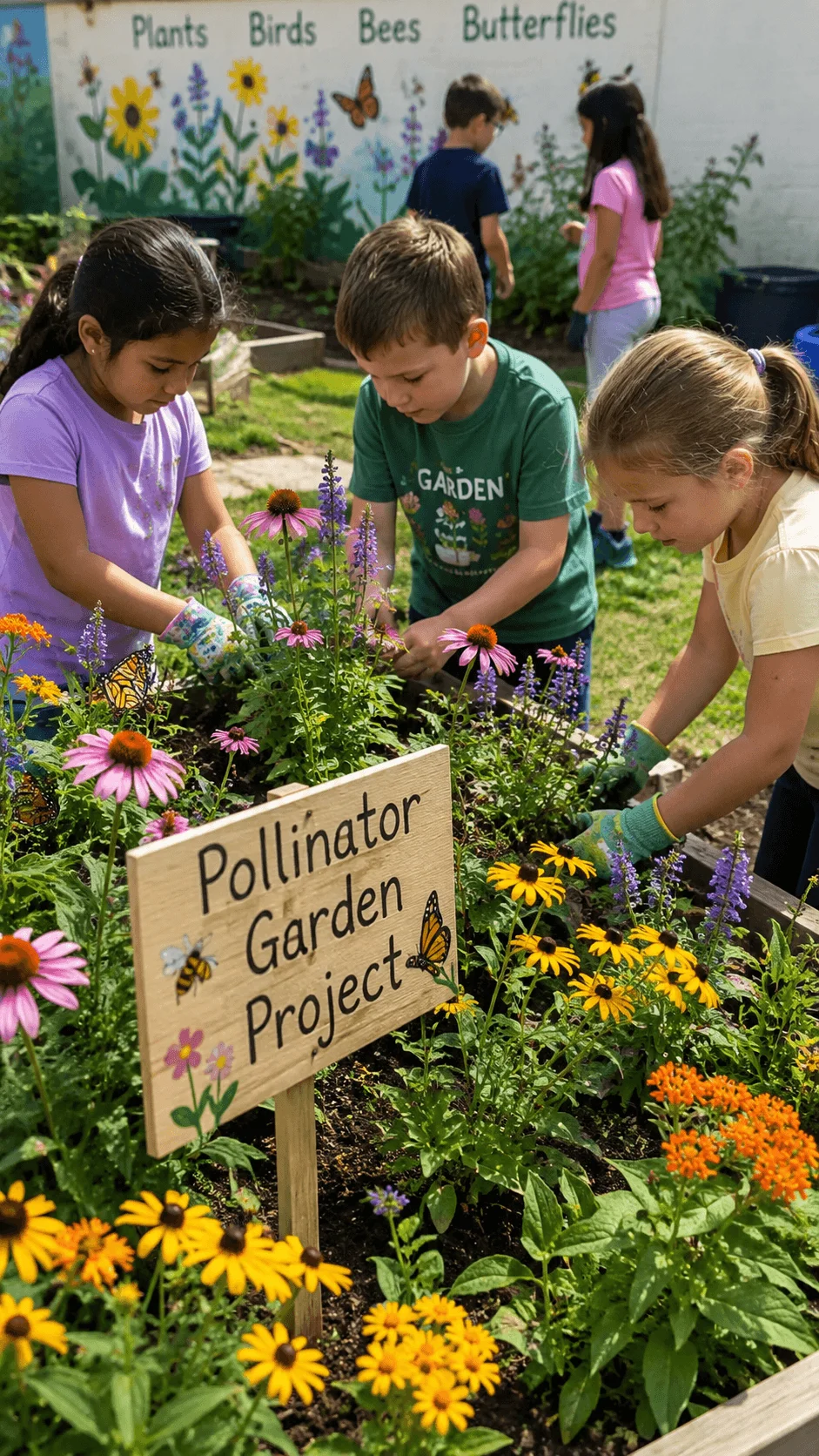
Pollinator Garden Project
Pollinators such as bees and butterflies play a vital role in food production, yet many species face declining populations. Students create small gardens filled with native flowering plants that provide food and shelter for pollinators. Teachers integrate biology lessons, while parents can plant similar flowers at home. Children observe how biodiversity supports healthy ecosystems and understand why protecting pollinators benefits agriculture and the environment.
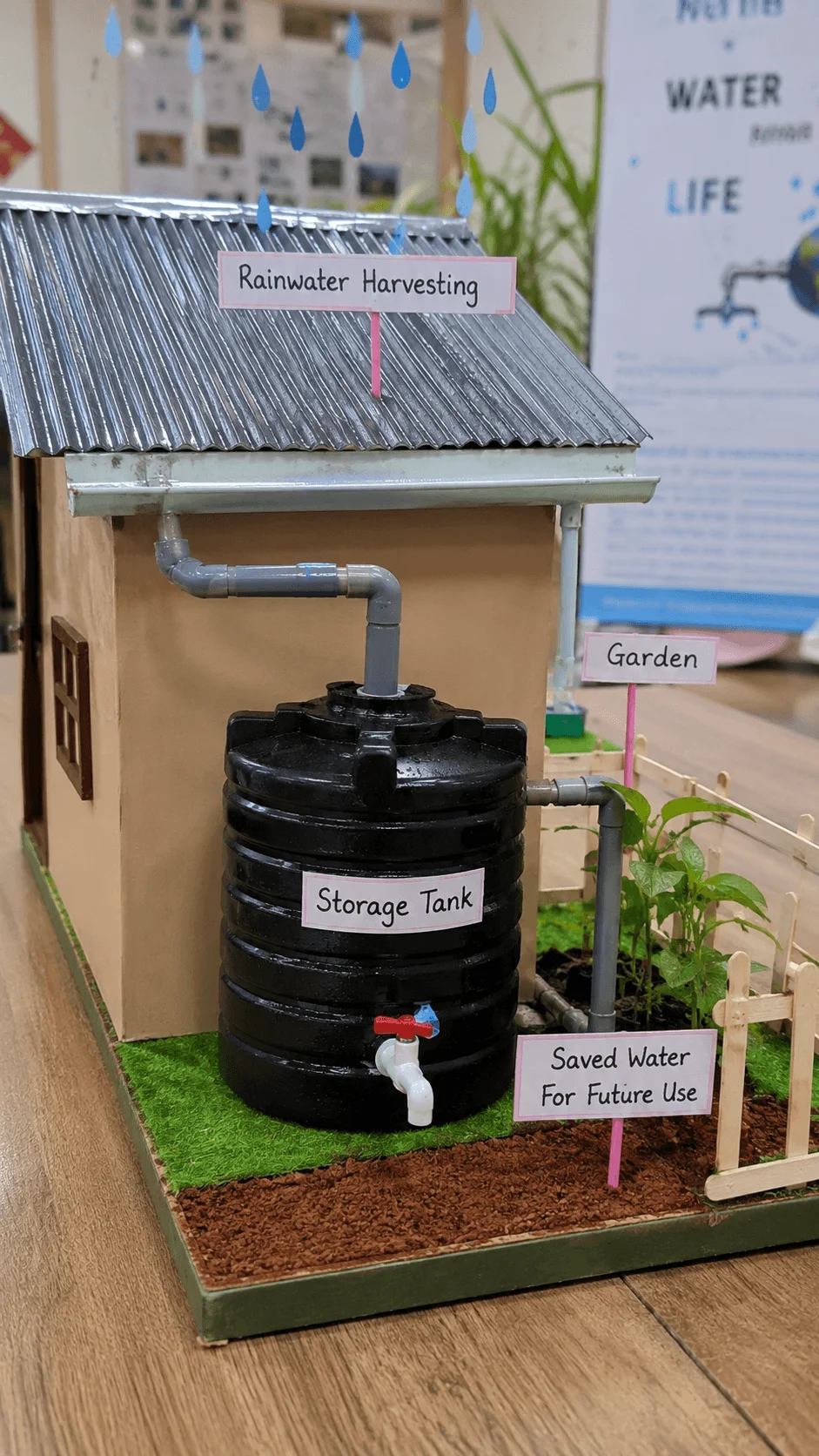
Rainwater Harvesting Model
This project introduces water conservation through a simple demonstration of collecting and storing rainwater. Students build scaled models showing how harvested rainwater can irrigate gardens or reduce dependence on treated water supplies. Schools value this activity because it combines engineering, environmental science, and geography. Students also learn how communities facing water shortages can benefit from practical conservation methods.
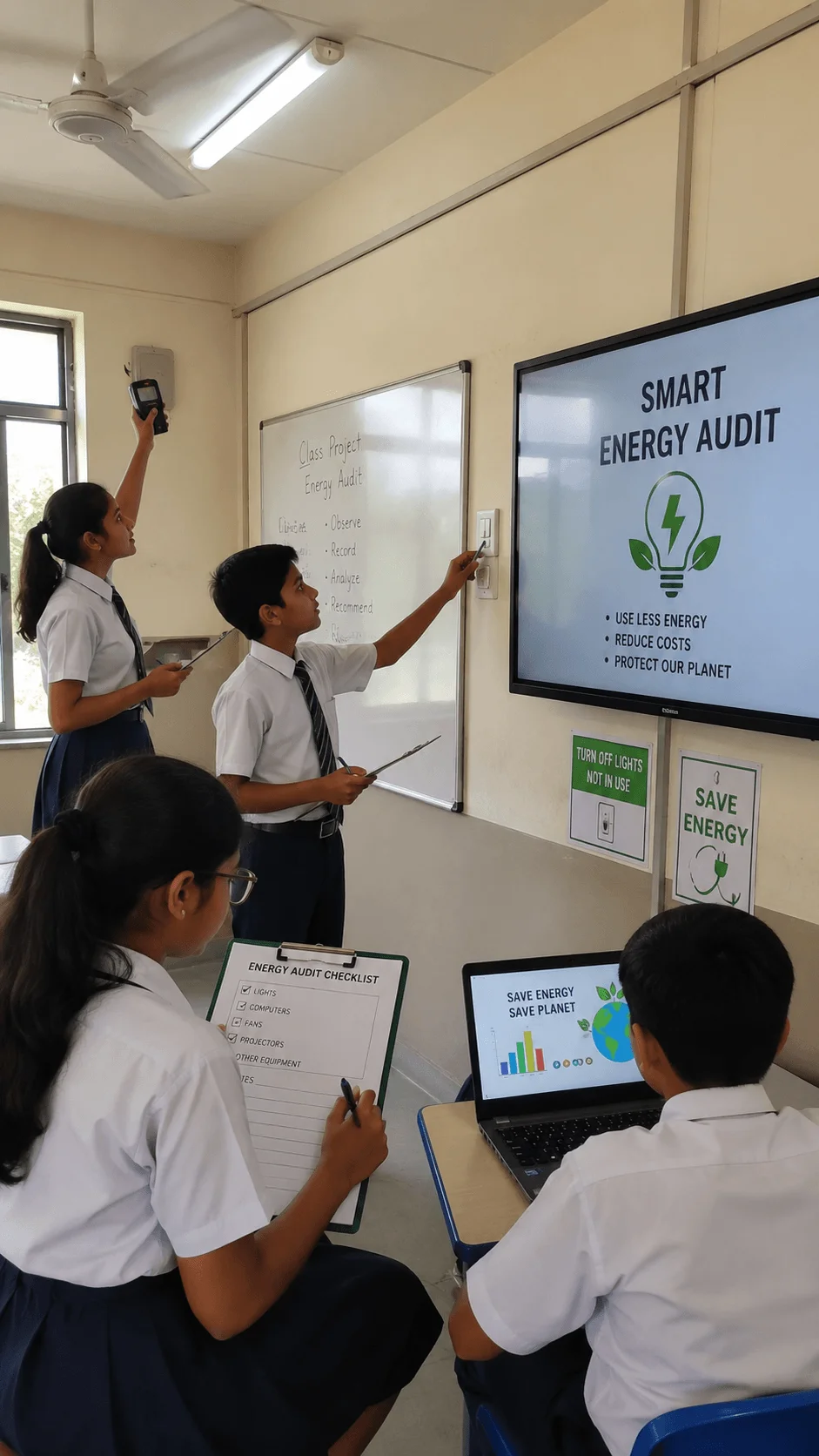
Smart Energy Audit
Students investigate how their school uses electricity by examining lights, computers, fans, and other equipment. They identify opportunities to save energy and present recommendations to teachers or administrators. This carbon footprint school project encourages critical thinking while showing how reducing electricity use lowers both environmental impact and operating costs. Parents can extend the activity by encouraging children to perform similar energy checks at home, creating lasting habits that benefit families and the environment.
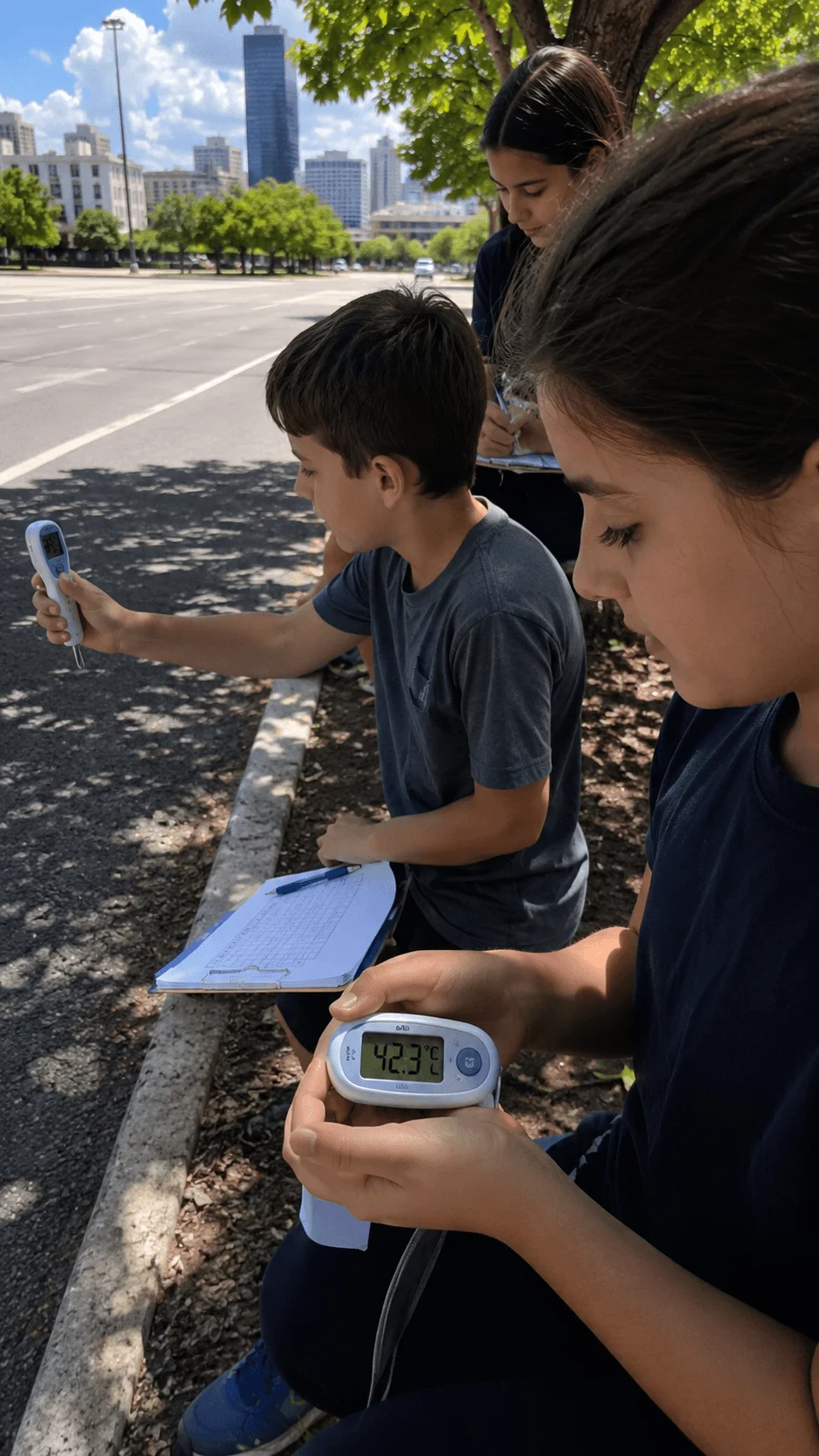
Urban Heat Island Investigation
Cities often become much hotter than surrounding rural areas because roads, buildings, and parking lots absorb and retain heat. In this project, students measure temperatures in shaded and unshaded locations around the school using simple thermometers or digital sensors. They compare the results and discuss how trees, green roofs, and parks help cool urban spaces. Teachers can connect the findings with geography and climate science, while parents can encourage children to observe temperature differences in their neighborhoods.
Citizen Science Climate Observation
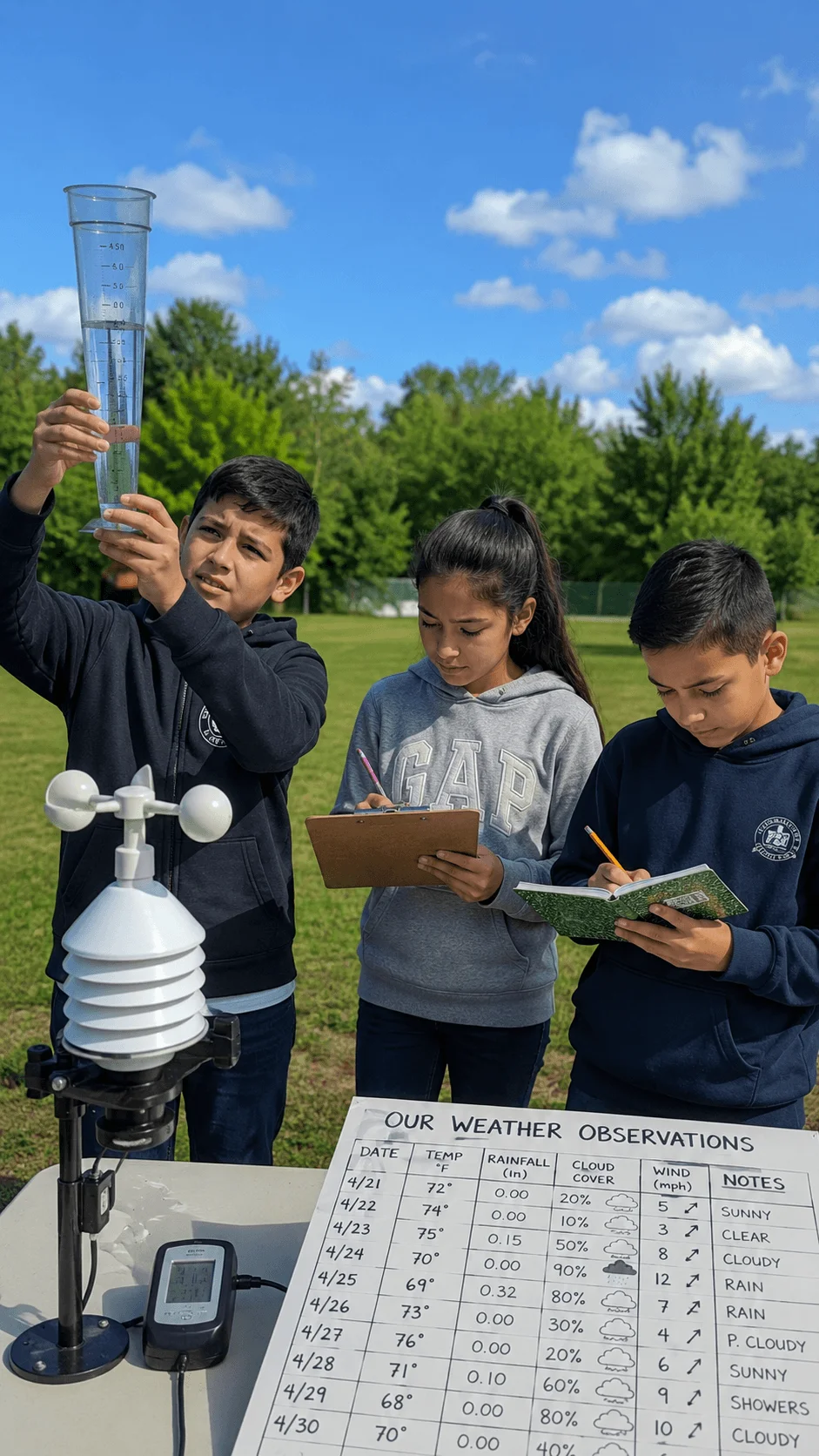
Citizen science allows students to contribute to real environmental research. They record rainfall, temperature, cloud cover, or wildlife sightings and share observations through approved citizen science platforms. Schools increasingly choose this activity because it helps students understand how scientists collect long-term environmental data. The project develops observation skills and shows children that even small contributions can support climate research and conservation efforts.
Green Transportation Challenge
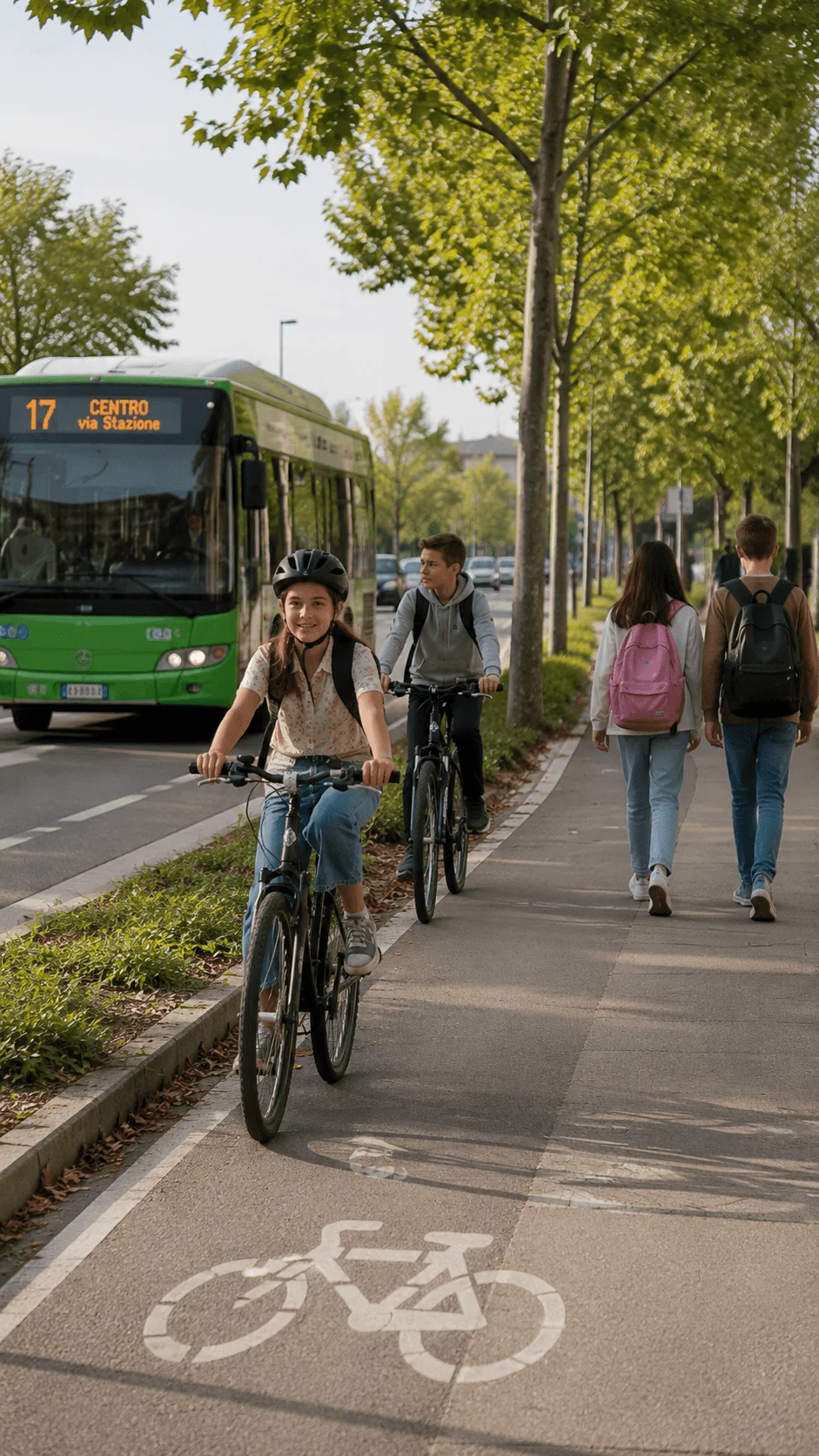
Transportation is a major source of greenhouse gas emissions. This project encourages students to explore walking, cycling, carpooling, or public transport whenever possible. Classes can compare transportation habits and calculate potential carbon savings without focusing on competition. Teachers use the activity to discuss sustainable cities, while parents support by choosing greener travel options for short trips. Students learn how everyday transportation choices affect air quality and climate.
Plastic Free School Campaign
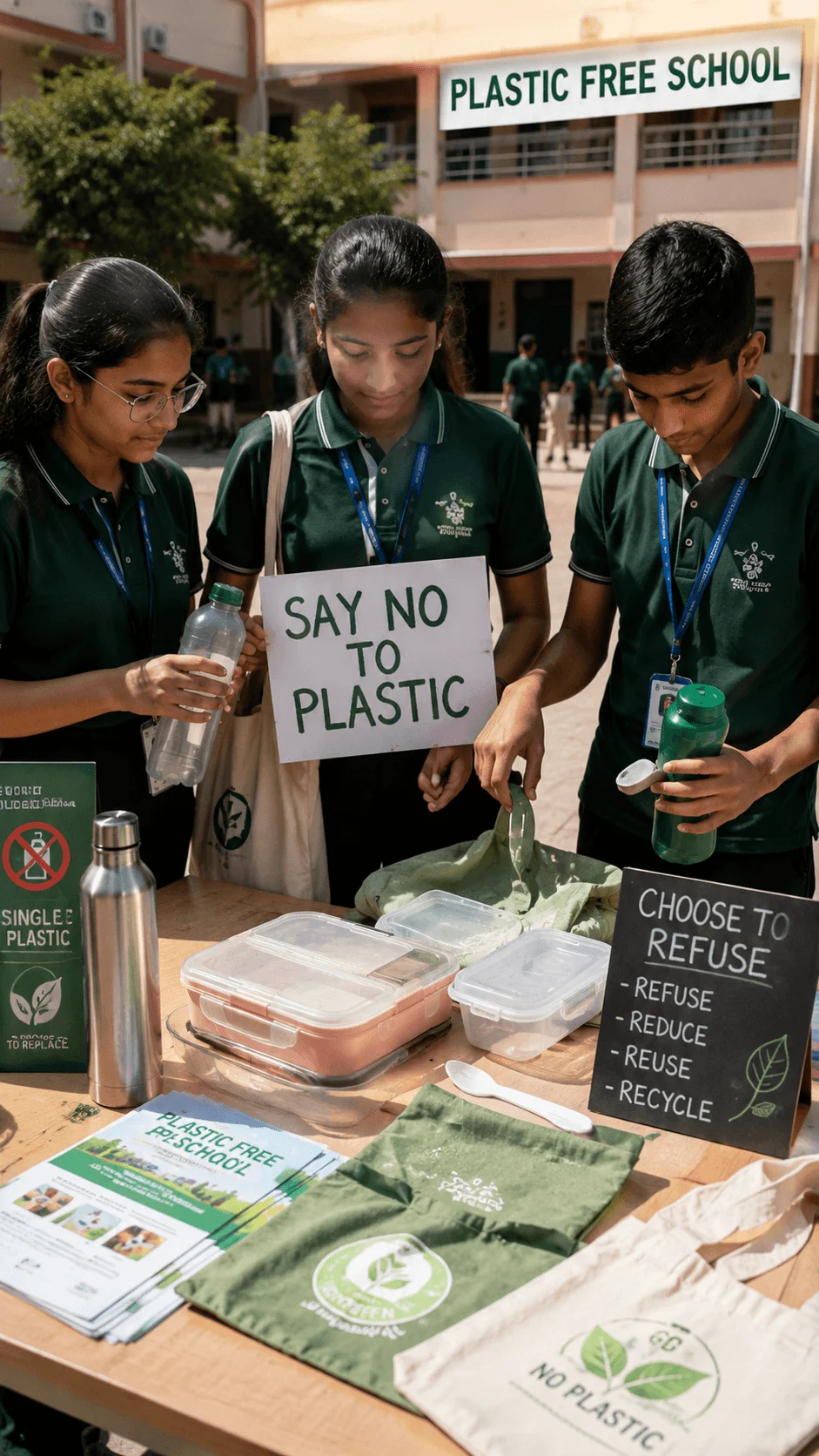
Plastic pollution remains one of the world’s biggest environmental challenges. Students examine how single-use plastics are used in school and suggest practical alternatives such as reusable bottles, lunch containers, and cloth bags. Schools appreciate this campaign because it creates visible improvements across the campus. It also encourages students to become environmental ambassadors who inspire classmates and families to reduce unnecessary plastic waste.
Sustainable Fashion from Recycled Materials
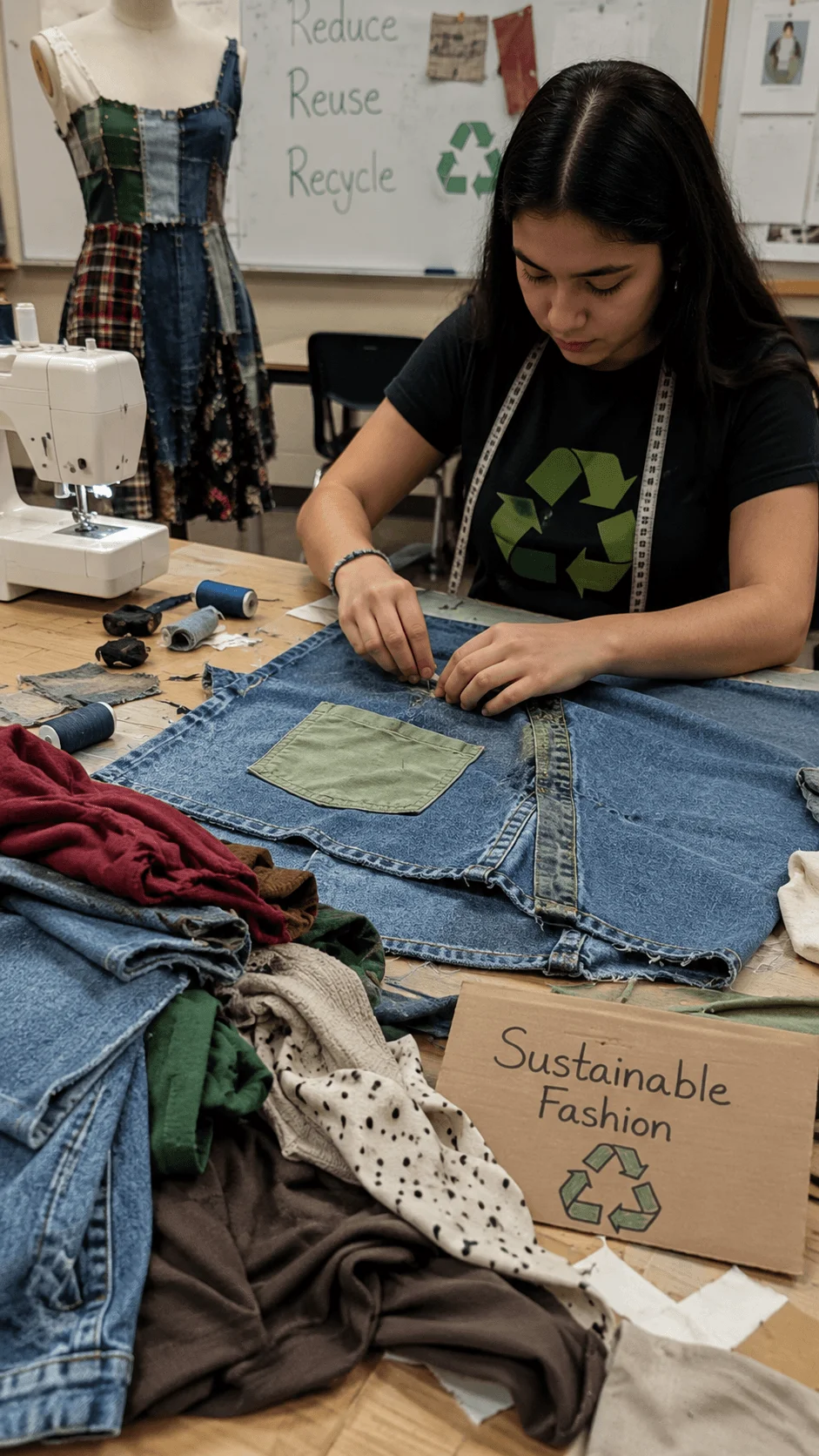
Fast fashion generates significant waste and consumes large amounts of water and energy. In this creative project, students design clothing or accessories using recycled fabrics, old clothing, or discarded materials. Teachers often combine the activity with art and design lessons, while parents can donate unused textiles from home. Students discover that creativity and sustainability work together and learn the importance of extending the life of everyday products.
Community Food Waste Compost Project
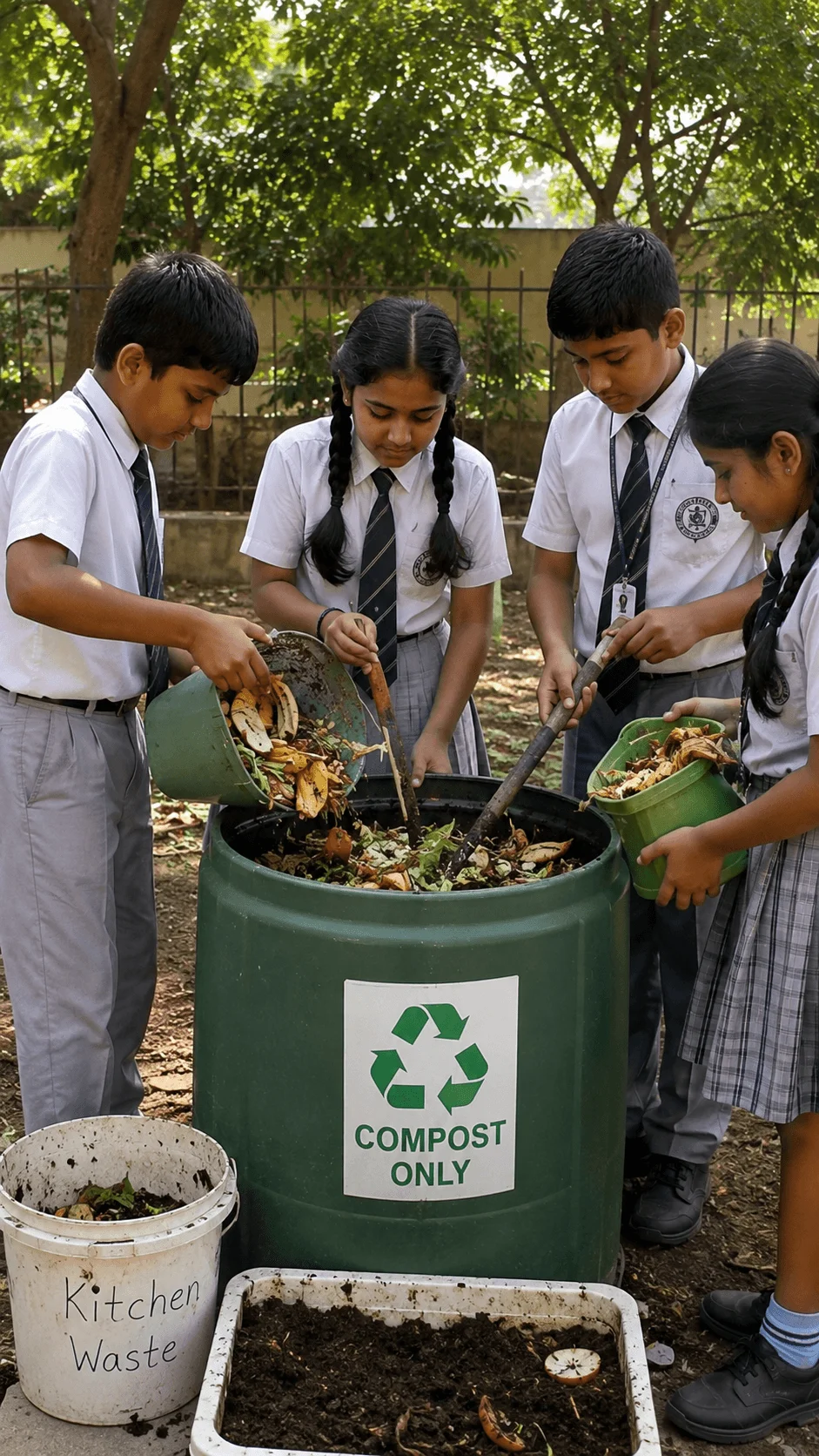
Food waste contributes to landfill emissions, yet many leftovers can become valuable compost. Students collect suitable fruit and vegetable scraps and learn how composting transforms organic waste into nutrient-rich soil. Schools use the finished compost in gardens, creating a complete recycling cycle. Parents can start small compost bins at home, helping children continue the learning experience beyond the classroom while reducing household waste.
SDG Innovation Fair
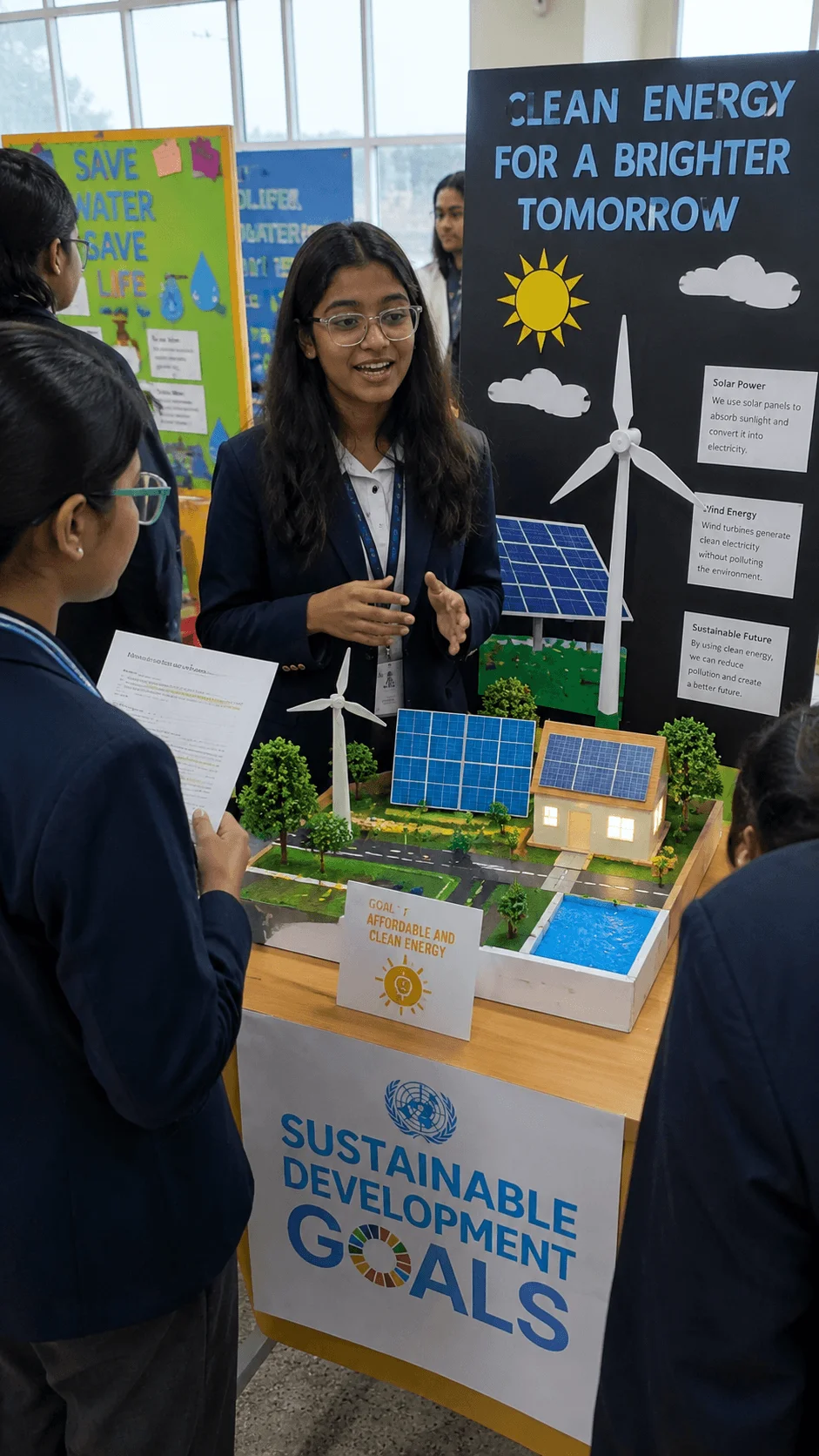
The United Nations Sustainable Development Goals inspire students to develop creative solutions for environmental and social challenges. During an innovation fair, students present models, prototypes, or research related to clean energy, clean water, recycling, biodiversity, or responsible consumption. Teachers value this project because it combines science, technology, creativity, and communication. It also prepares students to think like future innovators who can solve real-world sustainability challenges.
How to Choose the Right Environmental Sustainability Project
Choosing the best environmental sustainability projects depends on the students’ age, available resources, and learning goals. Younger children often enjoy hands-on activities such as gardening, recycling, or biodiversity observation, while older students can explore energy audits, AI technology, and carbon footprint calculations.
Teachers should also consider available time, classroom space, and budget. Many excellent environmental projects for kids require only recycled materials and creative thinking instead of expensive equipment. Outdoor activities work well when schools have gardens or open spaces, while indoor projects can focus on recycling, energy conservation, or sustainable design.
Parents play an important role by encouraging children to continue projects at home. The most successful activities match student interests, encourage teamwork, and connect classroom learning with everyday life.
Benefits of Green School Project Ideas
Well-designed green school project ideas provide much more than environmental knowledge. Students develop leadership by organizing activities and sharing ideas with classmates. Team projects strengthen communication and cooperation while encouraging respect for different opinions.
These experiences also improve creativity and critical thinking as students search for practical solutions to environmental problems. Science, technology, engineering, and mathematics become more engaging because students apply classroom concepts to real situations.
Beyond academics, sustainability education builds responsibility and confidence. Children recognize that their decisions influence the environment and that positive habits can create lasting change. These projects also encourage healthier lifestyles, stronger community involvement, and greater career readiness by introducing skills that many future employers value.
Conclusion
Teaching sustainability projects school kids can complete is one of the most effective ways to prepare young people for a changing world. By combining classroom learning with practical action, students gain a deeper understanding of climate change, biodiversity, pollution, resource conservation, and responsible living.
The projects in this guide demonstrate that meaningful environmental education does not require expensive equipment or complex technology. Whether students create pollinator gardens, organize recycling campaigns, measure energy use, or design innovative solutions inspired by the Sustainable Development Goals, every activity helps develop creativity, teamwork, leadership, and critical thinking.
Most importantly, sustainability education reminds children that lasting environmental change begins with small everyday actions. When schools, families, and communities work together, these simple projects become powerful learning experiences that inspire lifelong responsibility. Choosing even one activity from this guide is an excellent first step toward building a greener future for both students and the planet.