Eco Friendly Garden Ground Cover Ideas for 2026
Eco friendly garden ground cover ideas can help you create a beautiful outdoor space while using fewer resources and supporting a healthier garden ecosystem. Instead of leaving soil bare or relying entirely on traditional grass, gardeners can use living plants to cover the ground, reduce maintenance, protect soil, conserve water and provide useful habitat for pollinators. Modern sustainable landscaping also gives gardeners many creative ways to combine ground covers with native plants, pathways, stones and other natural features.
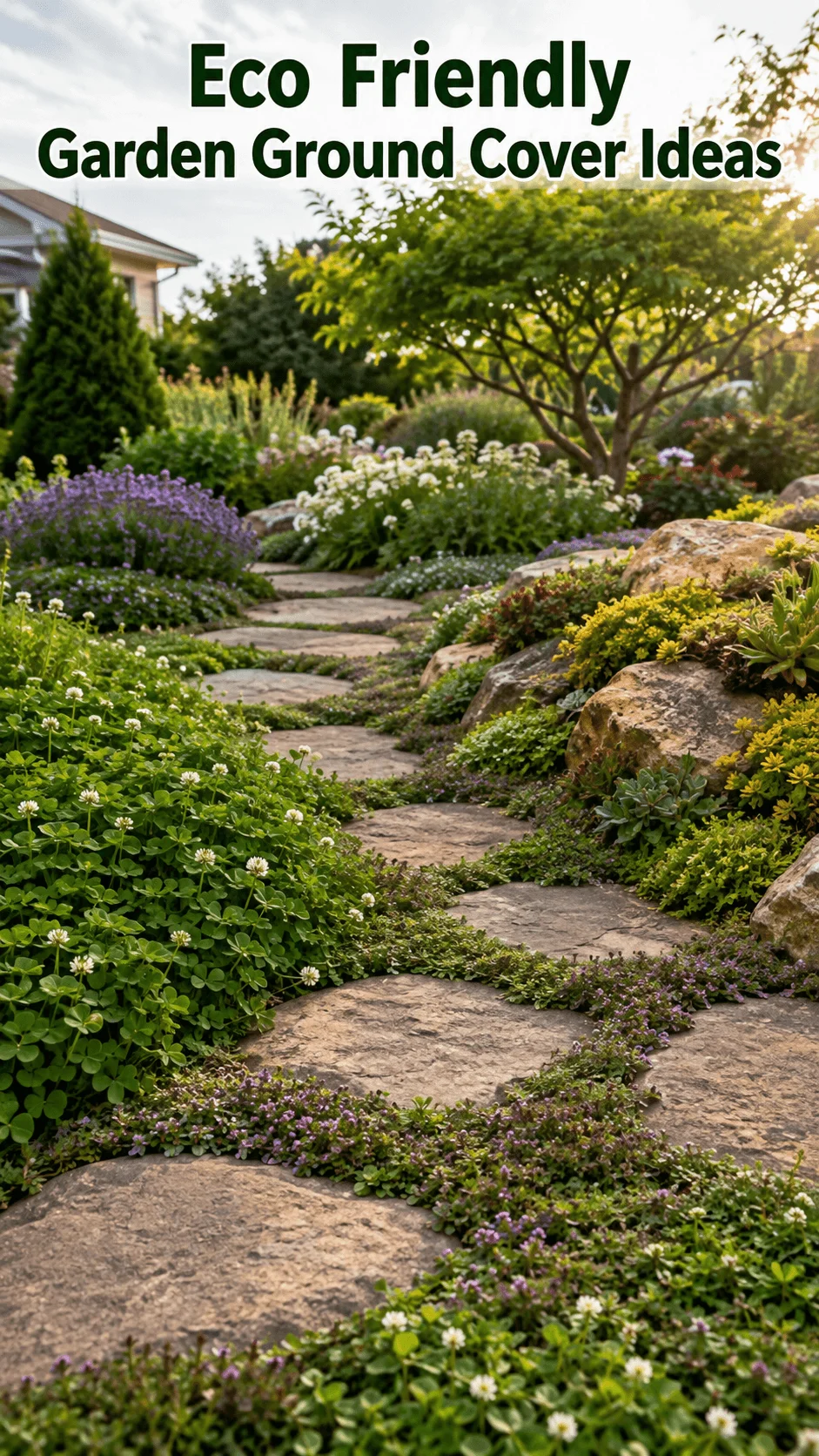
Ground cover can completely change the character of a garden. A low growing carpet beneath trees can make a space feel more natural, while flowering ground covers can bring color and pollinators into areas that once looked empty. Drought tolerant options can also make sunny spaces easier to maintain. The key is to choose plants that naturally suit the conditions of your garden rather than selecting a plant simply because it appears attractive in a photograph.
What Makes Ground Cover Eco Friendly?
An environmentally friendly ground cover does more than cover exposed soil. It should ideally provide benefits that reduce the resources required to maintain the landscape. Plants that suit the local climate can often establish more successfully than plants that require constant intervention.
Water use is an important consideration. A ground cover that needs frequent irrigation may not provide the environmental benefits a gardener expects, especially in a dry climate. Drought tolerant plants can make more sense in sunny areas where natural rainfall provides most of the moisture after establishment.
Ground covers can also reduce the amount of lawn that needs regular mowing. Replacing sections of turf with suitable low growing plants can create a more diverse landscape while reducing the need for frequent mowing and intensive lawn care.
Biodiversity also matters. Native ground cover plants can provide food, shelter and habitat for insects and other wildlife. Flowering varieties can support pollinators, while different plant textures can create a more varied garden ecosystem.
Another important benefit involves soil. Ground cover protects exposed soil from direct sunlight, wind and heavy rainfall. Plants with spreading roots can also help stabilize soil in suitable locations. However, every species has different characteristics, so gardeners should select plants according to their specific site.
12 Eco Friendly Garden Ground Cover Ideas
There are many ways to use sustainable ground cover beyond simply replacing a lawn. You can create a natural woodland carpet, a pollinator friendly planting area, a living pathway or a drought tolerant garden border. The following ideas combine environmental benefits with practical garden design.
Native Ground Cover Ideas for Eco Friendly Gardens
Native ground cover plants are one of the strongest choices for a sustainable garden because they naturally belong to the local ecosystem. When you select species that suit your region, you can create a planting area that feels connected to the surrounding landscape.
Instead of covering an entire garden with one type of plant, consider using several native ground covers with different textures and growth habits. Low growing plants can spread beneath taller shrubs, while flowering varieties can occupy open areas near pathways.
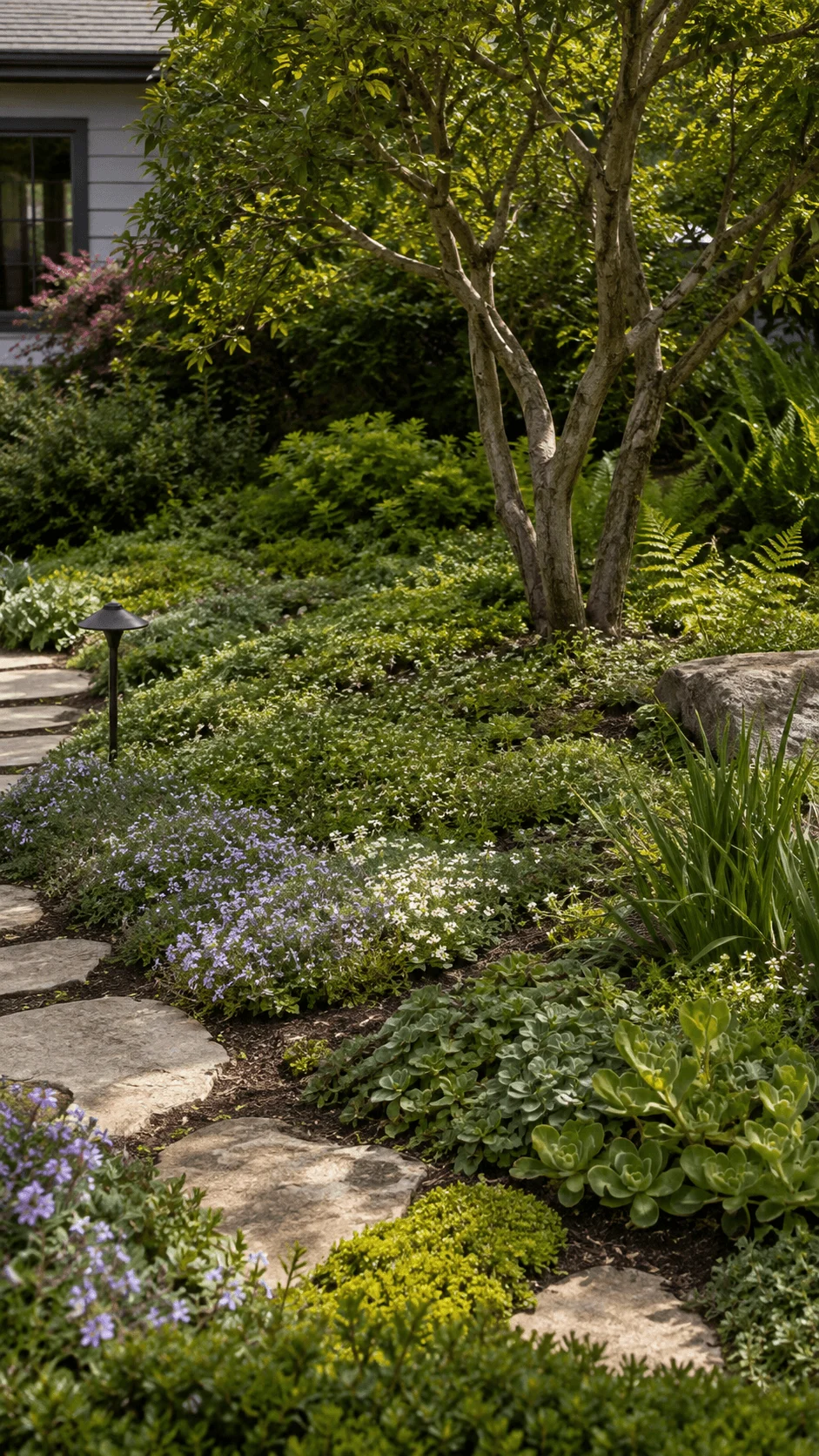
Native ground covers can also make previously unused areas more interesting. You can plant them beneath suitable trees, along garden borders or around larger shrubs. This approach creates layers within the landscape instead of leaving large areas of bare soil.
Before choosing a species, check whether it naturally grows in your region and whether its preferred soil, moisture and light conditions match your garden. A locally appropriate plant usually makes a better sustainable choice than an exotic species that requires significant care to survive.
Frogfruit Ground Cover for a Living Lawn
Frogfruit offers an especially interesting option for gardeners looking for a natural lawn alternative. This low growing plant can form a spreading carpet while producing small flowers that add visual interest and attract pollinators.
The idea is particularly appealing for gardeners who want a lawn like appearance without creating a completely traditional turf lawn. Frogfruit can work as part of a more naturalistic landscape where some variation in height and texture feels intentional.
You can use it in open areas, around stepping stones or as a transition between garden beds and pathways. Instead of creating a perfectly uniform green surface, allow the planting to blend naturally with other suitable low growing plants.
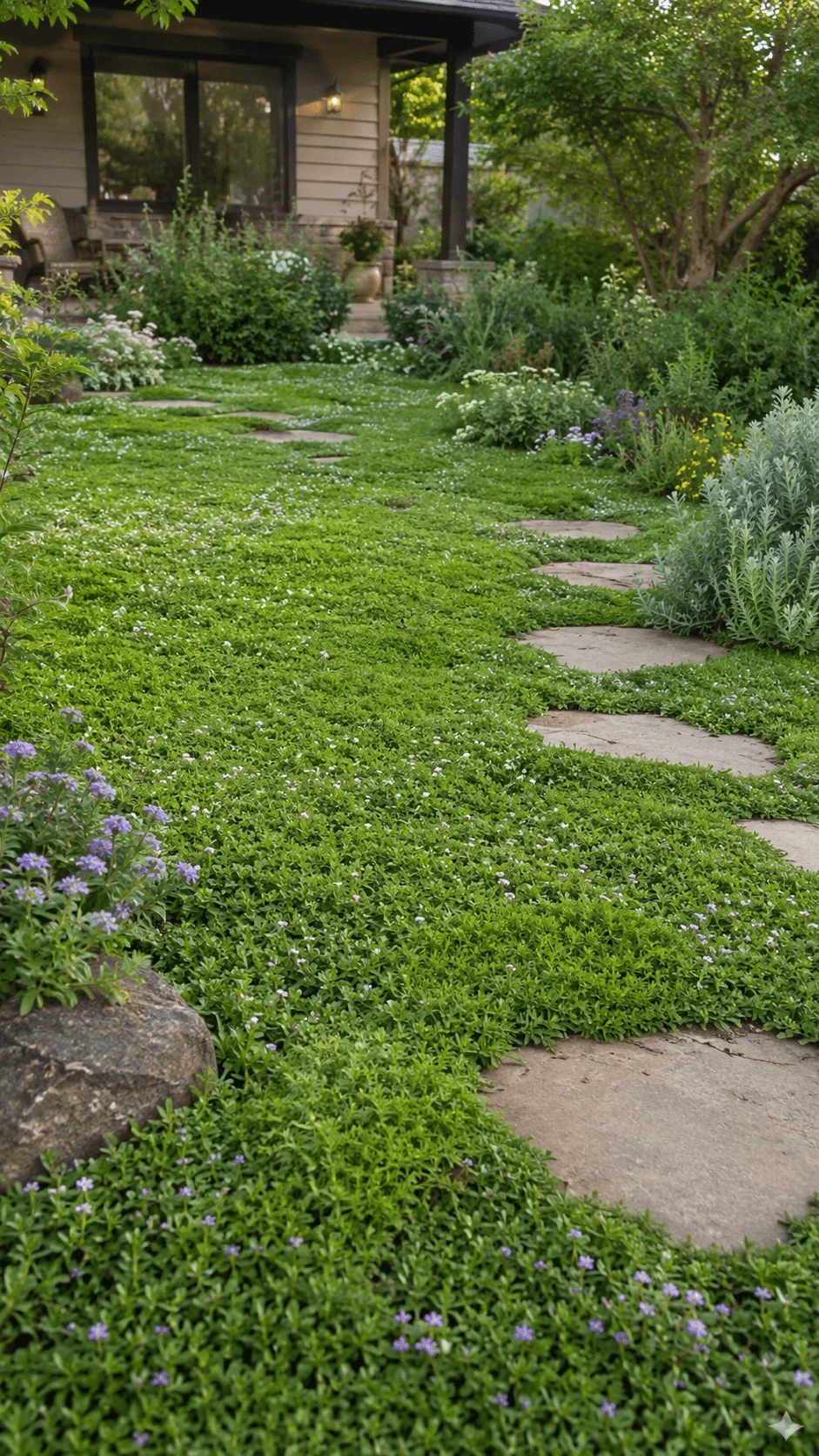
Its performance depends on local conditions, so gardeners should check whether frogfruit suits their climate and soil before planting a large area. It can also require some management as it establishes and spreads.
The most interesting aspect of this idea is the concept of a living lawn. Rather than viewing a lawn only as an area that must remain perfectly uniform, you can create a functional green space that supports more life and offers a softer, more natural appearance.
Creeping Thyme for Sustainable Pathways
Creeping thyme can turn an ordinary pathway into one of the most attractive features of an eco friendly garden. Instead of filling every space between stepping stones with soil or leaving gaps completely bare, you can use this low growing plant to create a living surface.
When it flowers, creeping thyme adds small blooms and can provide resources for pollinators. Its fragrance also adds another sensory element to the garden.
This idea works particularly well with natural stone and stepping stones. Imagine a winding path with irregular stones surrounded by low green growth. The result feels softer and more integrated with the surrounding planting than a completely hard paved walkway.
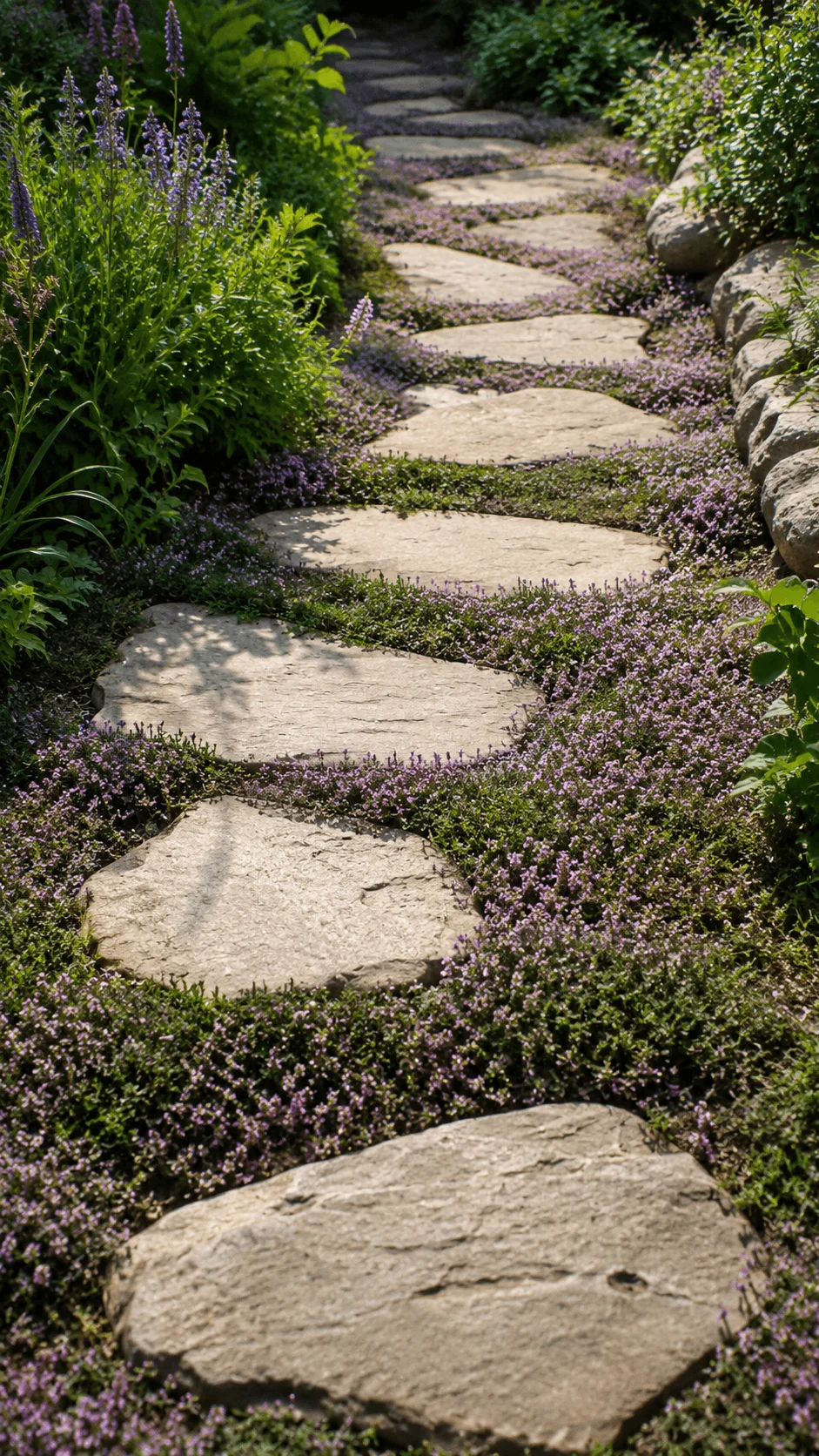
You can also use creeping thyme around the edges of patios or between widely spaced pavers. These small planting areas can make hard landscaping appear less dominant.
Choose the location carefully. Areas with suitable sunlight, drainage and soil conditions will give the plant a better chance of establishing successfully. Avoid treating it as a universal replacement for grass because different garden locations require different ground covers.
Clover and Microclover Living Lawn Ideas
Clover and microclover have gained attention as alternatives to conventional turf because they can create a green lawn like appearance while changing the way the space is maintained.
Clover belongs to the legume family and can contribute nitrogen to the soil through its relationship with soil microorganisms. This characteristic makes clover particularly interesting from a sustainable gardening perspective.
Rather than thinking about clover as something that should automatically be removed from a lawn, gardeners can intentionally incorporate it into their landscape. A mixed planting can create a softer and more natural looking surface.
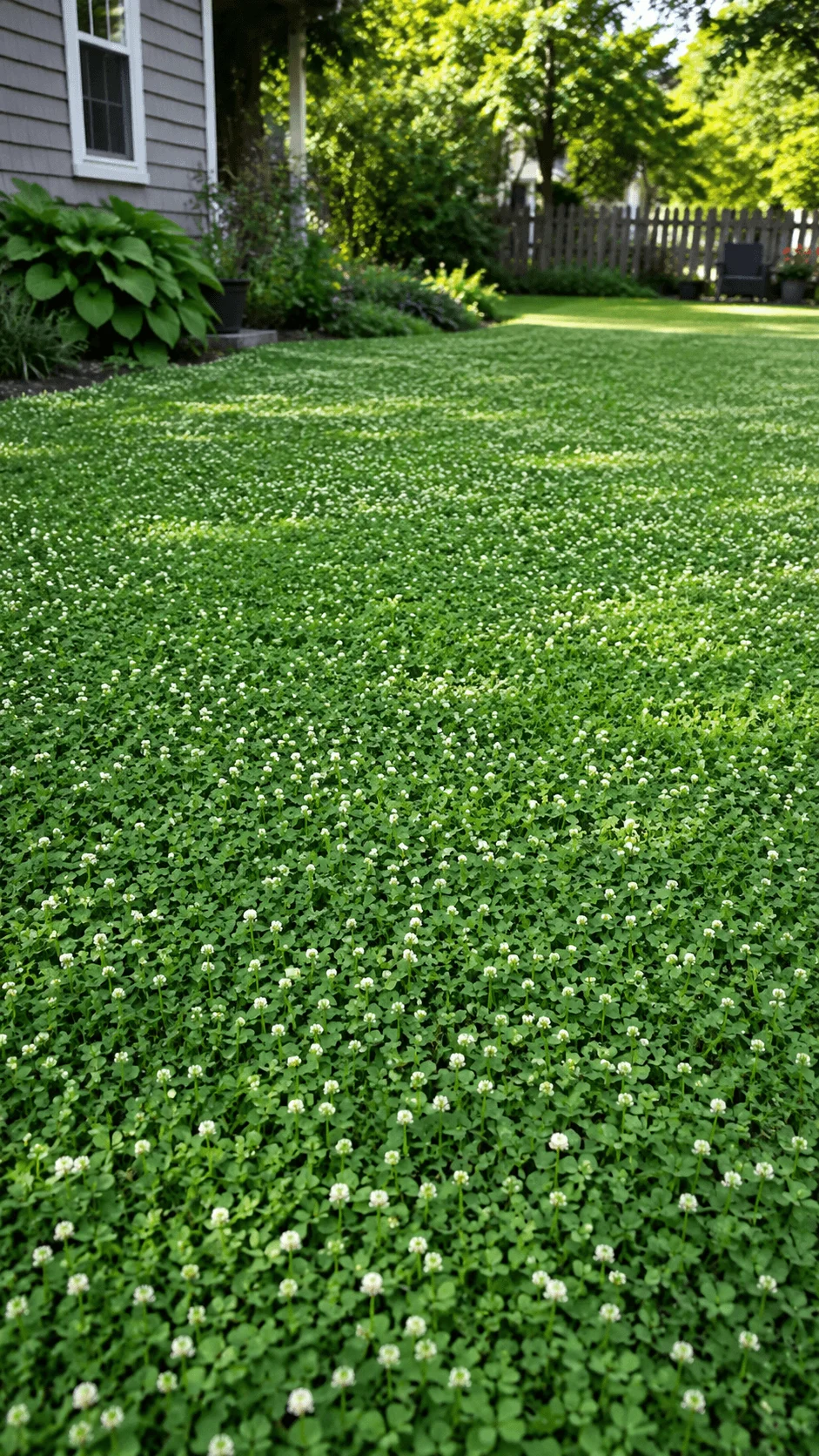
Microclover offers a smaller leaf form that can blend more easily with grass in some lawn mixes. Gardeners interested in this approach should consider local climate, soil conditions and how much foot traffic the area receives.
A clover based lawn can also provide flowers that attract pollinators. However, it will not behave exactly like conventional turf, and its appearance can change throughout the year. That natural variation can actually become part of the garden’s character.
Drought Tolerant Sedum Ground Cover
Sedum can bring texture and resilience to sunny parts of a garden where frequent watering would create unnecessary maintenance. Many low growing sedums form dense mats and produce small flowers that add seasonal interest.
This type of ground cover works particularly well in rock gardens, dry borders, raised areas and spaces with excellent drainage. You can combine sedum with gravel and natural stone to create a contemporary sustainable garden design.
Different sedum varieties offer different leaf shapes, colors and growth habits. This allows gardeners to create visual variety without covering the entire area with a single plant.
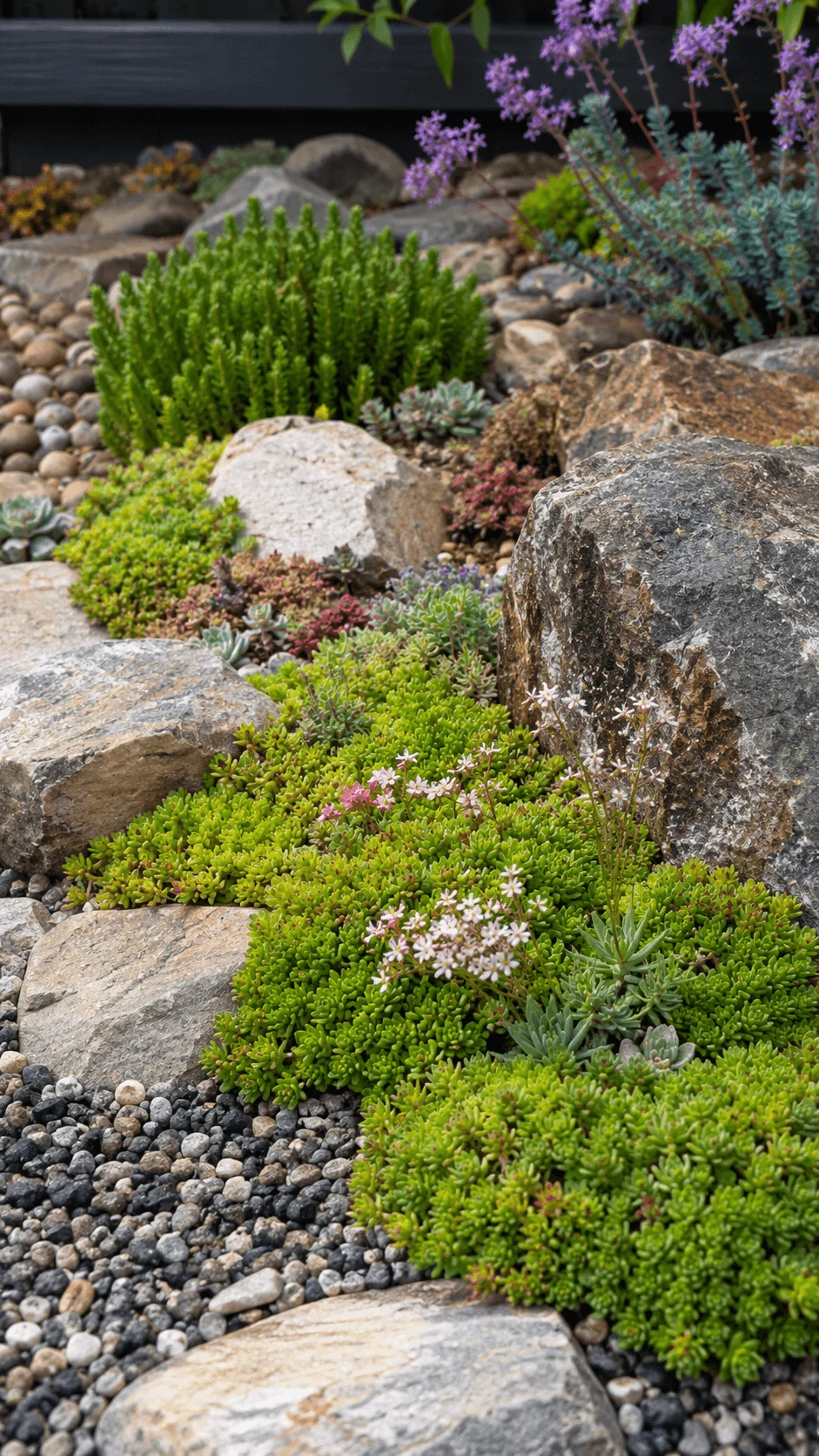
One useful design approach involves placing sedum between larger stones. The stones provide structure while the plants soften the edges and introduce living texture. You can also combine sedum with other drought tolerant plants to create layers of height.
Do not assume that every succulent ground cover can survive in every dry garden. Poor drainage can damage many succulent plants, while extremely cold conditions can affect certain varieties. Match the plant to the location before planting.
Moss for Shady Eco Friendly Gardens
Moss provides a completely different look from flowering ground covers and drought tolerant plants. In the right environment, it can create a soft green carpet that works beautifully beneath trees and throughout woodland inspired gardens.
Moss is especially useful when conventional grass struggles because of limited sunlight. A shady pathway surrounded by moss and natural stones can create a calm, natural atmosphere.
You can also combine moss with ferns and other shade loving plants. Different textures can make a shaded garden feel much deeper and more interesting.
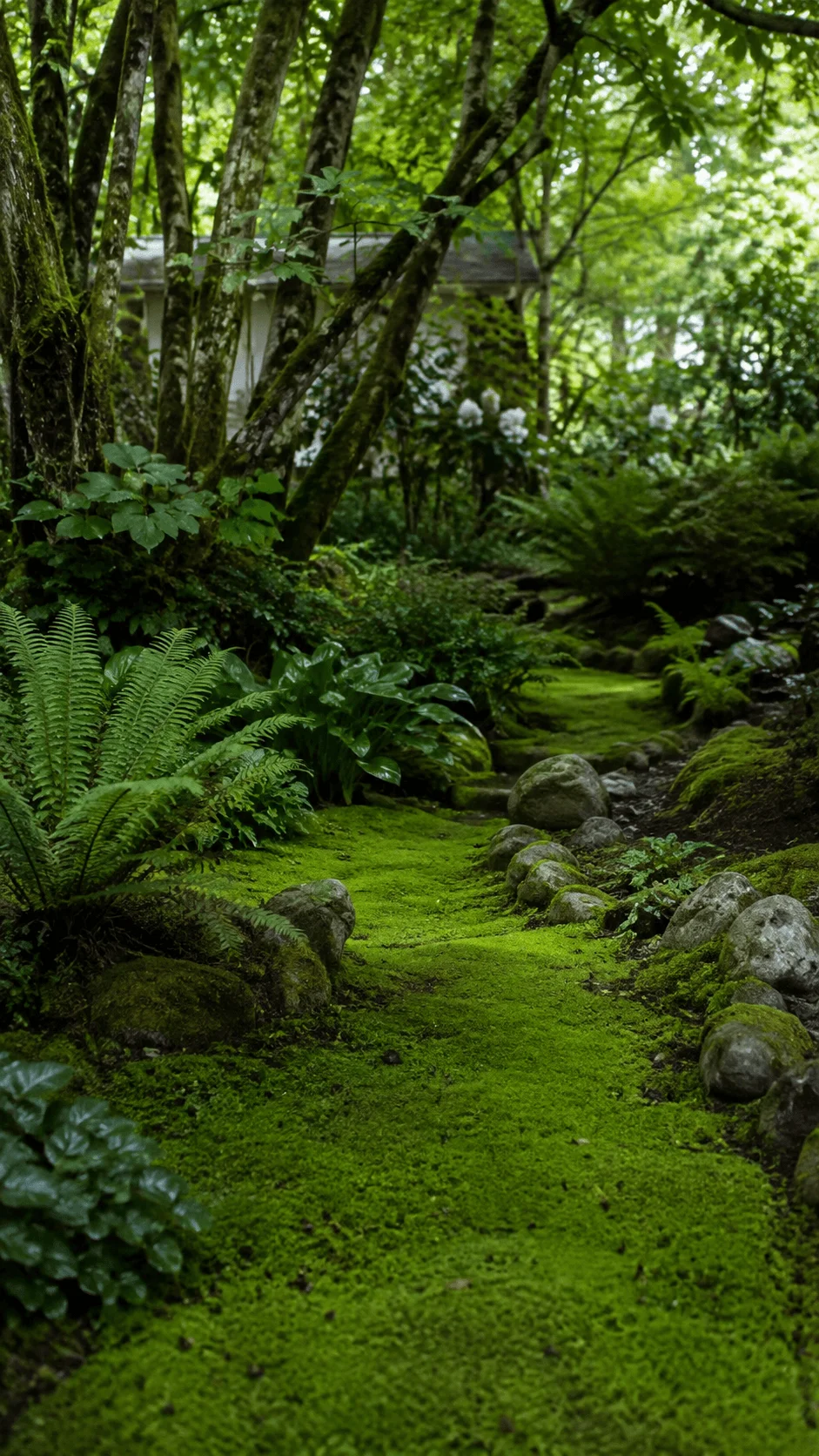
However, moss requires suitable conditions. Moisture, humidity, shade and the surface where it grows all influence its success. A hot, dry and exposed garden may not provide the environment moss needs.
For this reason, moss works best when you treat it as a solution for the right location rather than a universal lawn alternative. If your garden already has naturally shady and moist areas, moss can become a beautiful part of the existing ecosystem.
Native Wildflower Ground Cover for Pollinators
Native wildflowers can turn ordinary open soil into a lively and colorful part of the garden. Instead of maintaining a completely uniform lawn, gardeners can create a low growing planting area where flowers provide seasonal interest and support local pollinators.
This approach works especially well along garden borders, around larger native plants and in areas that do not need regular foot traffic. You can combine several flowering species with different blooming periods so the garden continues to offer visual interest throughout the growing season.
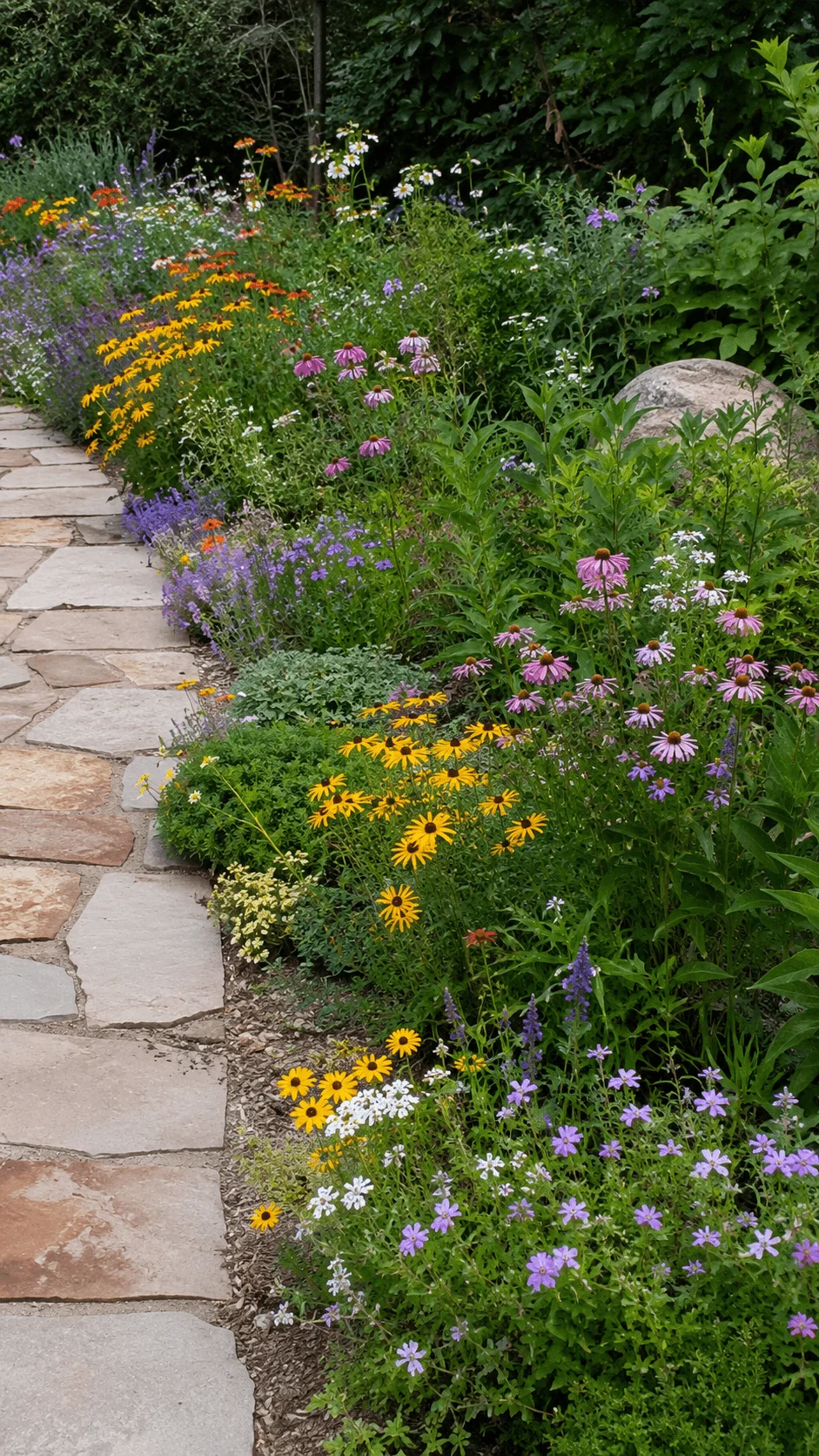
The most important consideration involves choosing plants that naturally suit your region. Local native species can provide greater ecological value than plants selected only for their appearance. They can also create a garden that feels more connected to the surrounding landscape.
To keep a wildflower ground cover visually organized, create clear boundaries around the planting area. A stone edge, pathway or neatly maintained border can make a naturalistic planting feel intentional rather than neglected.
Herb Based Ground Cover Ideas
Low growing herbs offer another creative way to cover exposed soil while adding fragrance and practical value to the garden. Creeping thyme is one of the best known examples, but the broader idea involves using suitable spreading herbs where their growing conditions match the site.
Herb based ground cover can work particularly well around kitchen gardens, pathways and outdoor seating areas. When people walk near the plants, fragrant foliage can add another sensory experience to the space.
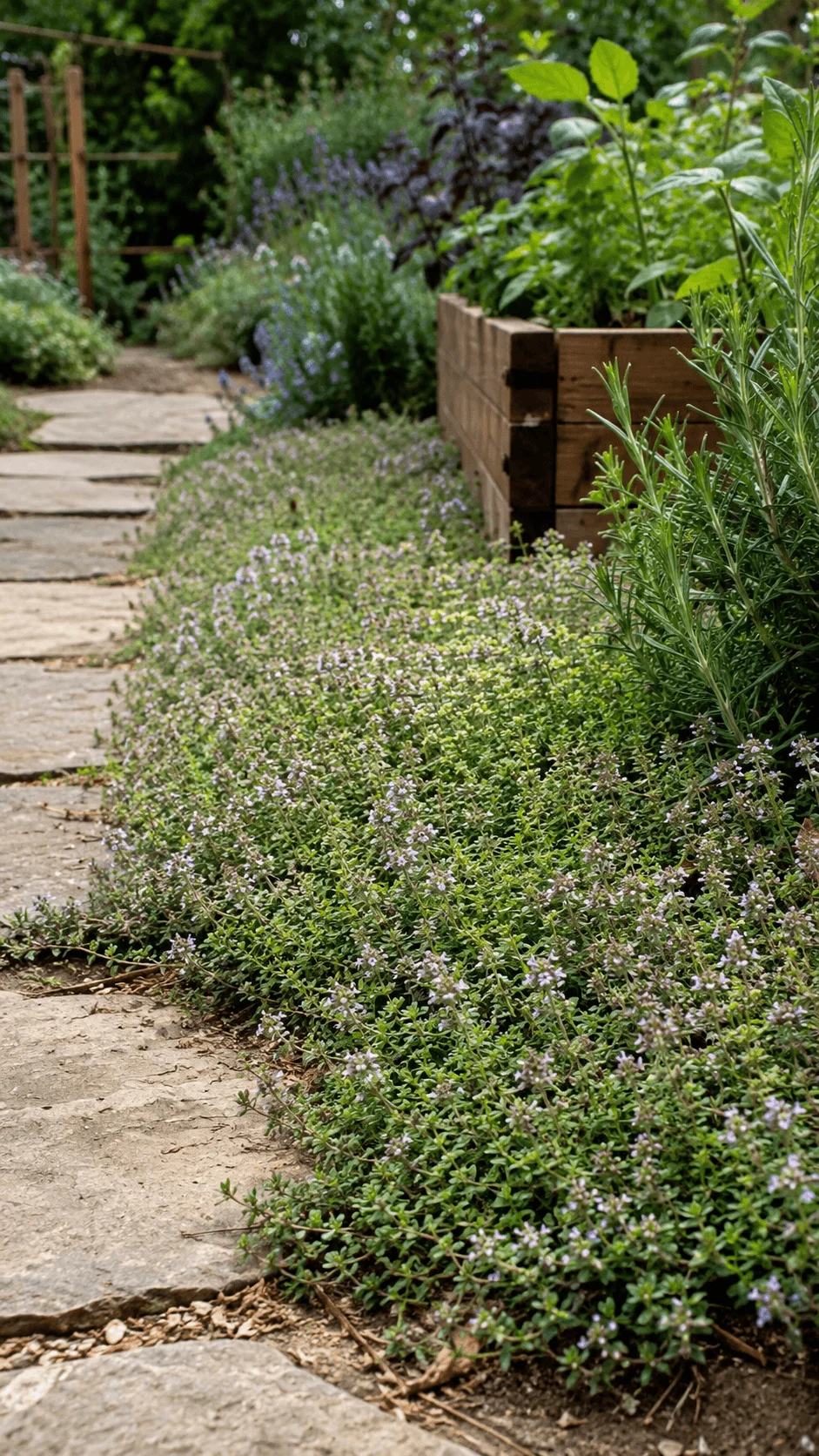
You can also use herbs as a transition between a vegetable garden and ornamental planting. This creates a connection between productive and decorative parts of the landscape.
Flowering herbs can provide additional value for pollinators. Instead of treating every part of the garden as a purely decorative space, gardeners can select plants that perform several functions at once.
Before planting an herb as ground cover, check its mature growth habit. Some herbs spread much more aggressively than others. A plant that looks attractive in a small area can become difficult to manage if you place it somewhere that allows unrestricted growth.
Living Mulch Around Trees and Shrubs
Living mulch provides one of the most useful ways to apply sustainable ground cover in an existing garden. Rather than leaving bare soil beneath trees and shrubs, you can introduce suitable low growing plants that cover the ground.
This approach can make planting beds look fuller while reducing exposed soil. A layer of living vegetation can also help limit opportunities for weeds to establish, although gardeners still need to monitor the area during establishment.
The design can look particularly attractive when you combine several compatible plants. A tree can form the upper layer, shrubs can create the middle layer and low growing ground covers can occupy the space underneath. This creates a layered garden that uses vertical space efficiently.
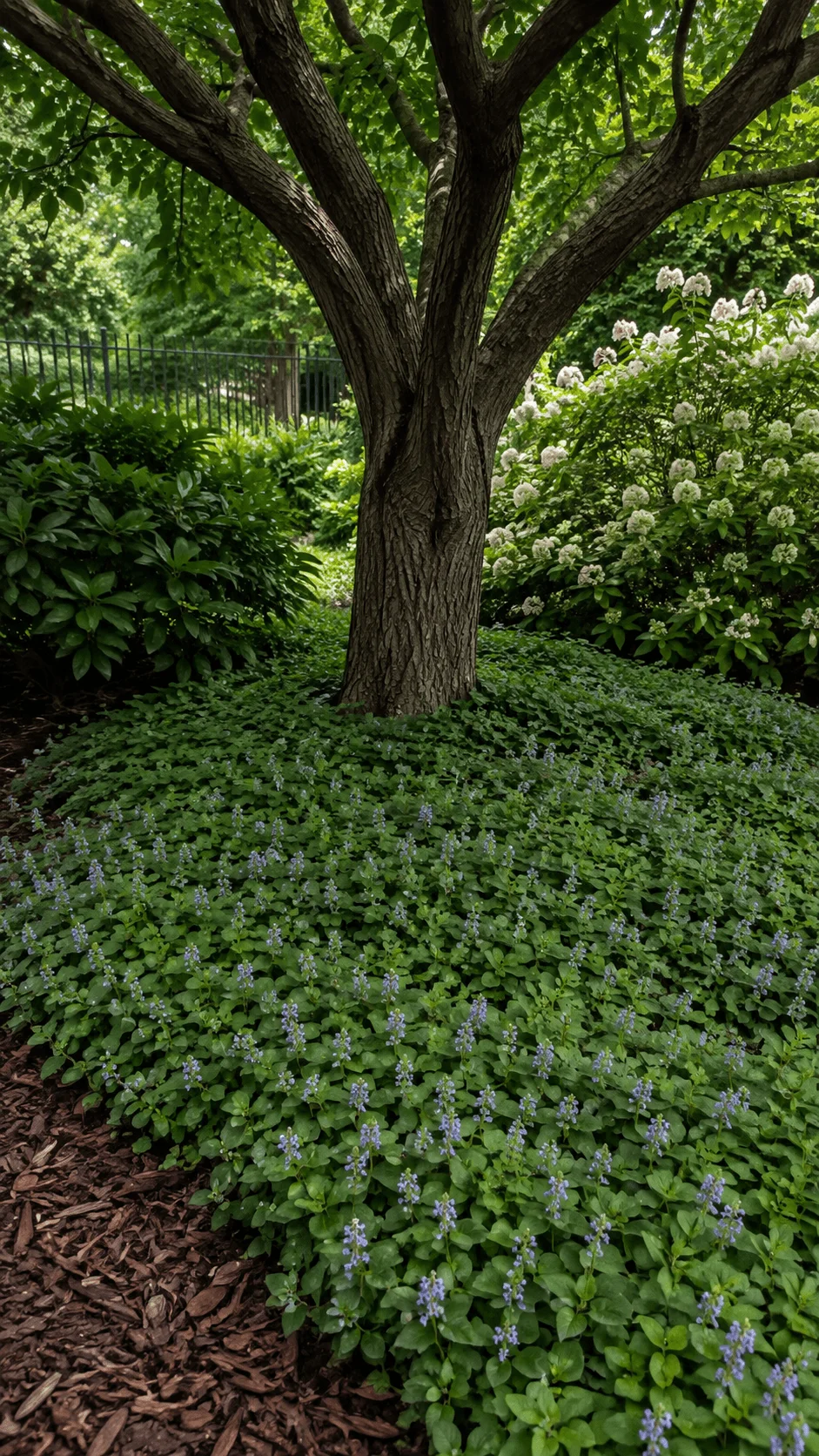
Take care around tree trunks. Keep ground cover from directly touching the trunk and make sure the plants do not compete excessively with young trees for water and nutrients.
Living mulch works best when gardeners select plants that tolerate the conditions beneath the tree or shrub. Deep shade, dry soil and competition from established roots can make some locations challenging, so plant selection matters.
Eco Friendly Ground Cover for Slopes
Sloping sections of a garden can become difficult to maintain, especially when exposed soil allows rainwater to move soil downhill. Suitable ground cover can help turn these challenging spaces into attractive planting areas.
Plants with spreading growth and useful root systems can help hold soil in place once they establish. Their foliage can also protect the soil surface from direct exposure to rainfall and sunlight.
A slope does not have to look like a simple carpet of one plant. You can combine ground covers with rocks, native shrubs and taller plants to create a natural layered appearance.
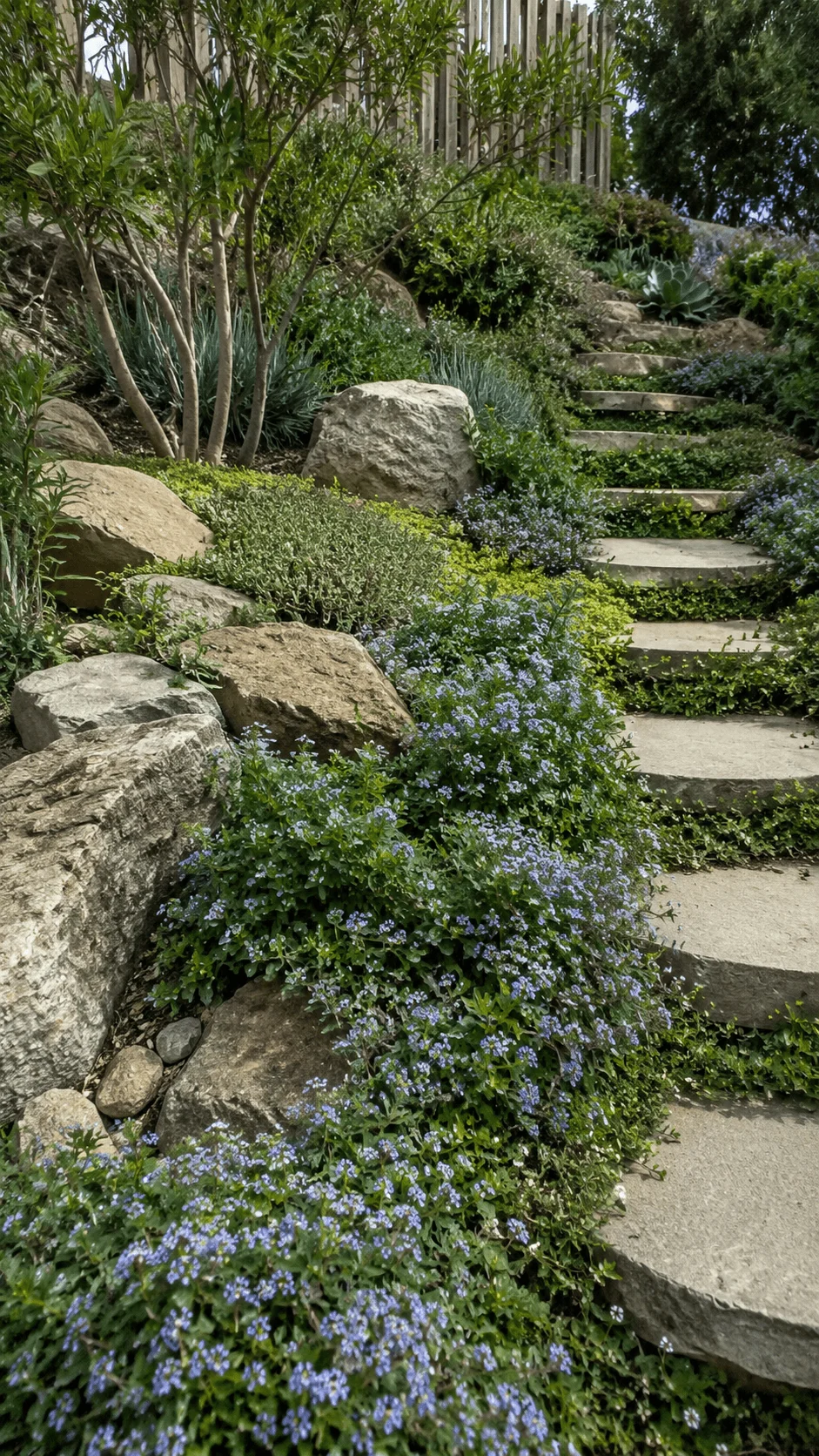
For steeper areas, consider how water moves through the site before planting. Drainage patterns, soil stability and access for maintenance all matter. In some situations, gardeners may need additional erosion control measures alongside vegetation.
Native plants that naturally grow on slopes in your region can offer an especially useful starting point. They may already have adaptations that help them cope with the local weather and soil conditions.
Sustainable Ground Cover With Permeable Hardscaping
One of the most interesting modern landscaping approaches combines living ground cover with permeable hardscaping. Instead of creating a completely paved patio or pathway, gardeners can leave intentional spaces for plants between stones and other materials.
Permeable pavers, gravel and natural stone can provide structure while planting pockets introduce living elements. This combination creates a garden that feels less dominated by hard surfaces.
You can use this approach for stepping stone pathways, small patios, garden entrances and transitions between different areas. Creeping plants can fill selected spaces while gravel provides additional texture and drainage.
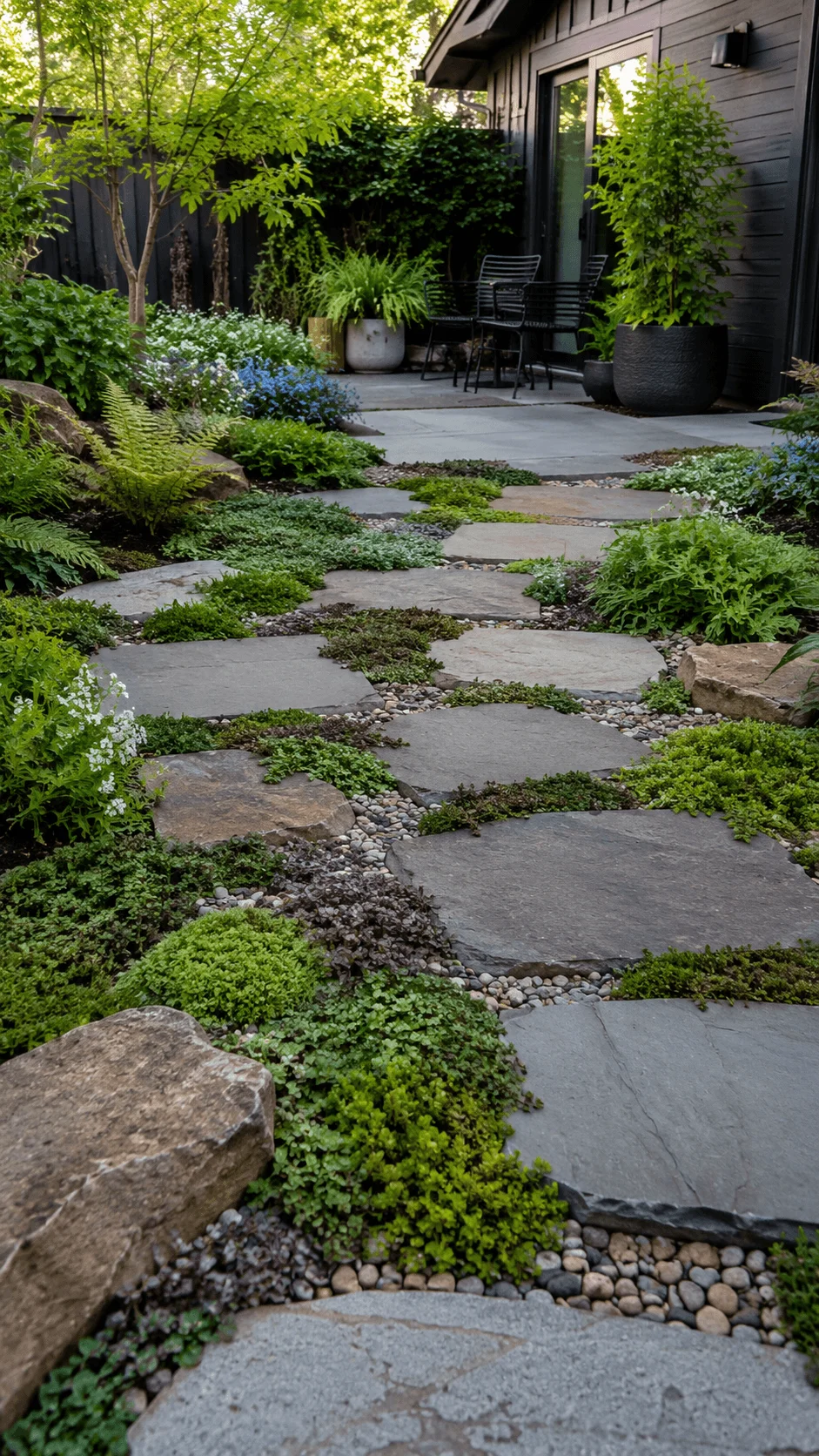
The design also allows you to create more interesting shapes. Rather than arranging pavers in a completely uniform pattern, you can create wider gaps in selected areas and use them as planting spaces.
Think about how people will move through the garden before selecting the plants. Areas that receive frequent foot traffic need durable options, while decorative spaces beside the path can support more delicate ground covers.
Green on Green Ground Cover Design
Green on green garden design has become an appealing way to create sophisticated landscapes without depending entirely on colorful flowers. The concept uses different shades of green, foliage textures, leaf shapes and plant heights to create visual depth.
Ground cover provides an excellent foundation for this style. A soft mossy surface can contrast with larger leaves, while fine textured plants can sit beside broader foliage.
You can also create gradual transitions between ground cover and taller plants. Low growing species provide the first layer, medium height plants create the next level and shrubs or trees provide height behind them.
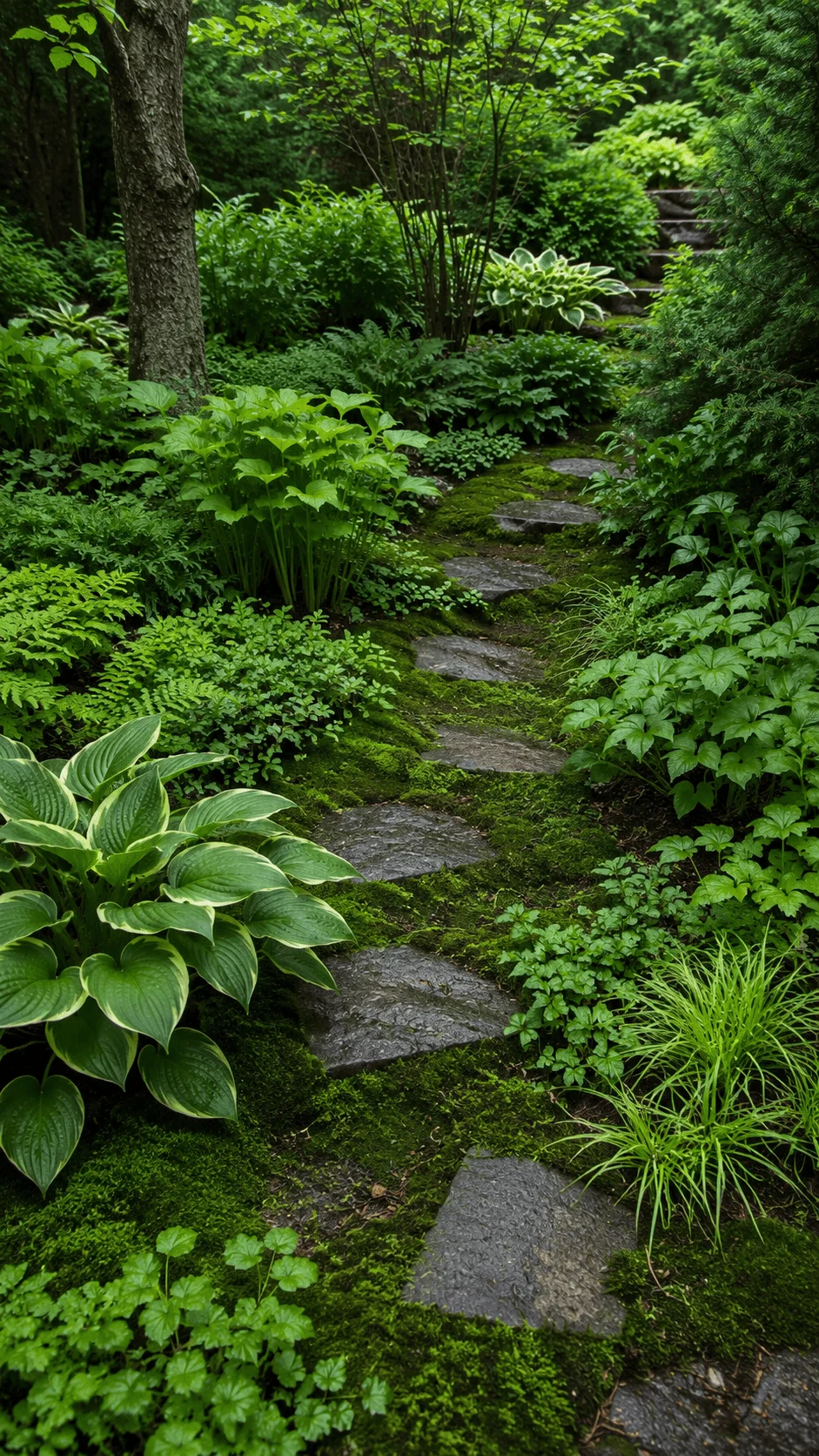
The result can feel calm and natural while still looking carefully designed.
This style works especially well in woodland inspired gardens and shaded spaces, but gardeners can adapt the concept to sunny conditions with suitable drought tolerant plants.
The secret lies in contrast. If every plant has identical leaves and growth habits, the garden can appear flat. Combining different textures creates interest even when most of the planting remains green.
How to Choose Sustainable Garden Ground Cover
Choosing the right ground cover begins with observing your garden rather than immediately buying plants. Look at how much sunlight reaches the area throughout the day. Notice whether the soil stays damp or dries quickly after rain.
Climate also plays a major role. A ground cover that performs well in a cool, moist garden may struggle in a hot and dry environment. Similarly, a plant that thrives in full sun may perform poorly beneath dense tree cover.
Think about how you will use the space. A decorative planting bed has different requirements from a pathway or family lawn. If people regularly walk across the area, choose plants that can tolerate that level of activity or design the space with stepping stones.
Soil and drainage deserve equal attention. Some plants tolerate heavy soil, while others need excellent drainage. Trying to change the garden dramatically just to accommodate an unsuitable plant can increase maintenance.
Water availability should also influence your decision. If you live in an area where water conservation matters, prioritize plants that can handle the natural conditions of the site once established.
Native availability is another valuable consideration. Visit local nurseries or consult regional gardening resources to discover which ground covers naturally suit your area.
Conclusion
Eco friendly garden ground cover ideas offer much more than a simple replacement for traditional grass. They give gardeners an opportunity to rethink how every part of an outdoor space can contribute to beauty, biodiversity and practical function.
Native ground covers can connect a garden with its local ecosystem, while frogfruit and clover can provide alternatives to conventional lawns. Creeping thyme can soften pathways, sedum can bring drought tolerant texture to sunny spaces and moss can transform suitable shady areas. Native wildflowers can support pollinators, while living mulch can make the spaces beneath trees and shrubs more attractive.
The best sustainable ground cover is not necessarily the plant that appears most often in gardening articles. The better choice is the plant that fits your particular conditions. Consider your sunlight, soil, drainage, climate, water availability and how you plan to use the space before planting.
You can also combine several approaches rather than choosing only one. A garden might use native ground cover beneath trees, creeping plants around stepping stones, drought tolerant species in sunny areas and flowering plants along the borders.
With thoughtful planning, ground cover can become one of the most useful elements of a sustainable landscape. It can protect exposed soil, reduce unnecessary lawn, create habitat and add layers of texture and beauty.
By choosing plants that work with your garden instead of constantly working against its natural conditions, you can create a healthier and easier landscape. These eco friendly garden ground cover ideas can help turn ordinary spaces into green, functional and inviting parts of the garden while supporting a more sustainable approach to outdoor living.